Bring Nature's Art Alive with Moss Walls in Front Yards
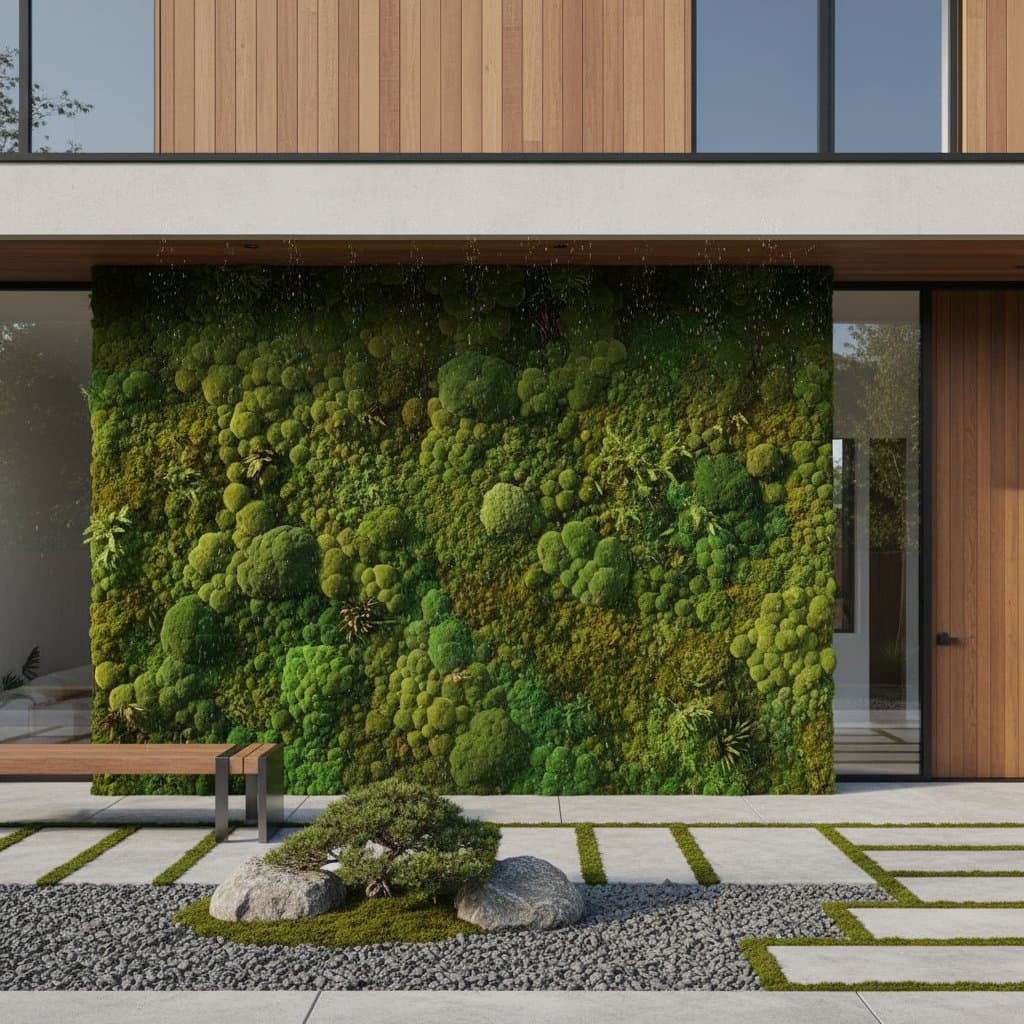
The first encounter with a moss wall often evokes surprise. It resembles an elaborate art installation, yet requires no team of horticulturalists or hidden irrigation. In a Brooklyn neighborhood, one homeowner transformed a tiny front yard into a living painting, prompting passersby to pause in admiration. This discovery sparked curiosity about its practicality for everyday spaces.
As a writer on home and lifestyle topics, trends frequently appear and fade. Moss walls, however, have transitioned from restaurant backdrops and spa lobbies to ordinary homes and urban front yards. After installing one on Staten Island, the appeal became clear: these features prove accessible and rewarding.
The Discovery of Moss Potential
Inspiration arrived during an inspection of a north-facing house side, which appeared lifeless amid struggling shrubs and dull paint. The space lacked vitality, and traditional plants failed to thrive. Flowers wilted, vines encroached, and grass declined to grow.
Advantages of Moss Walls
Moss walls combine aesthetics with functionality, making them suitable for homeowners.
- They excel in shaded environments. Moss requires no direct sunlight, ideal for challenging growth spots.
- Maintenance remains minimal once established. No mowing, pruning, or fertilizing proves necessary.
- Air quality improves through natural pollutant filtration and added humidity, enhancing the front yard's freshness.
- Sound absorption reduces noise from nearby streets.
- Instant texture emerges, providing depth to flat facades.
Skepticism arose regarding durability in Staten Island's variable weather. Observations over months confirmed moss's resilience: it dorms during dry periods and revives with rain, positioning it as a robust choice for imperfect conditions.
Selecting the Ideal Location
Evaluate the space before installation. Optimal sites feature shade, slight dampness, and wind protection. Consider these options:
- North or east sides of the home.
- Fences or retaining walls beneath shady trees.
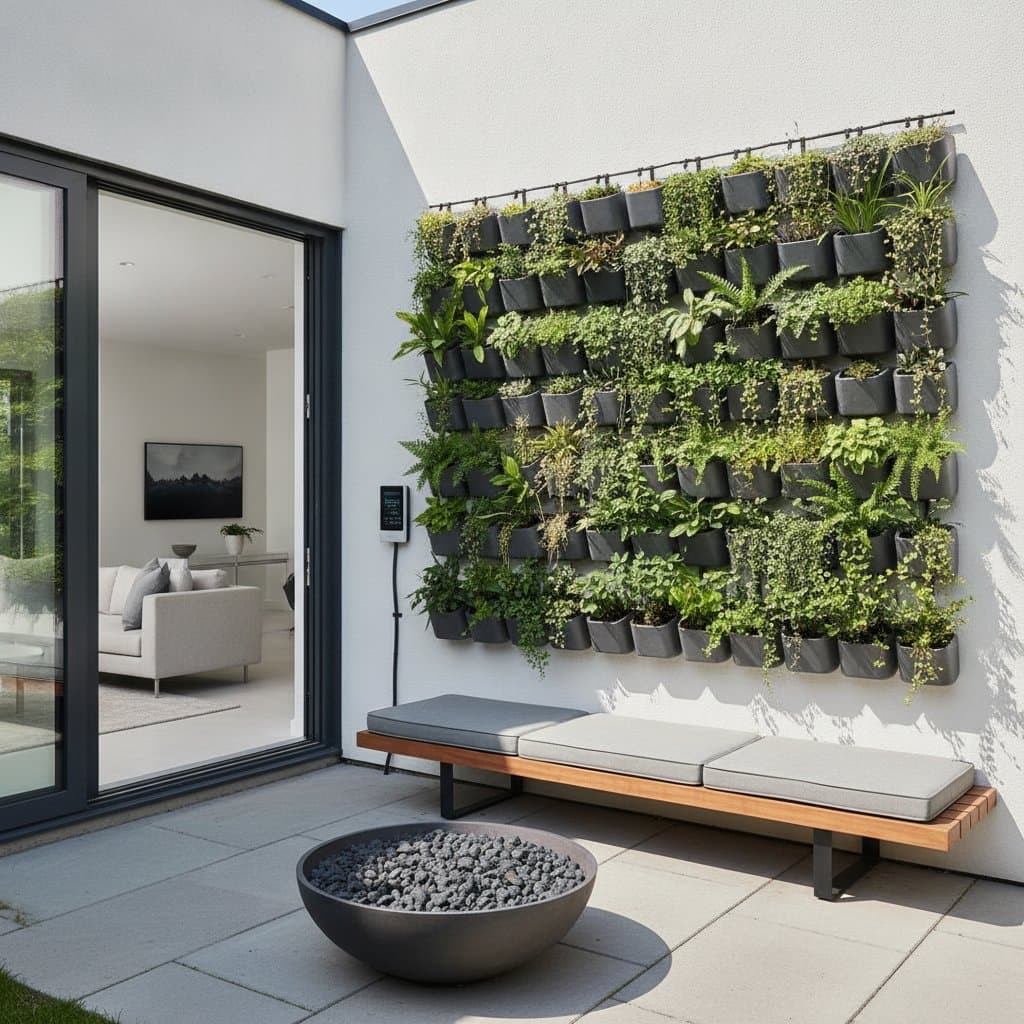
- Vertical garden frames or trellises.
- Cool, moist concrete, brick, or stone surfaces.
In arid or sunny climates, preserved moss offers an alternative. It maintains a lush appearance without watering, though it lacks growth and evolution. Living moss provides the dynamic appeal that influenced the choice here.
Selecting Moss Varieties
Moss selection resembles choosing materials for a project, with diverse textures and greens available. Some form dense cushions; others create feathery spreads.
Recommended types for front yards include:
- Sheet moss: Provides uniform coverage in classic green.
- Cushion moss: Builds mounds for added texture and dimension.
- Fern moss: Offers delicacy and softness, suited to vertical setups.
- Rock cap moss: Fits stone surfaces for authentic designs.
Source moss from local yards, nurseries, or specialty suppliers. When harvesting, remove small sections only, preserving enough for regrowth. Overharvesting delays recovery, a lesson learned from experience.
Constructing the Support Frame
For non-conducive walls, construct a supportive base. A wooden frame lined with wire mesh, filled with peat moss and soil mixture, serves effectively. Felt panels or commercial vertical garden systems provide structured alternatives.
Secure the frame to the wall with anchors or hooks, allowing airflow space. Press moss pieces into the mesh, overlapping slightly. Mist with water to aid settling.
Initial weeks demand attention: maintain dampness without saturation. Spray every few days and provide shade during intense sun. Established moss spreads independently.
The Moss Adhesive Technique
A technique from a garden expert involves blending moss with dairy for adhesion. Despite initial doubt, its efficacy proved compelling.
Follow these steps:
- Place a handful of moss in a blender.
- Add two cups of buttermilk or plain yogurt.
- Blend to a smooth consistency.
- Apply the mixture to the wall or frame by painting or pouring.
The dairy supplies nutrients, promoting attachment and growth. Green patches appeared within weeks, resembling a gradual artistic emergence.
Maintenance Practices
Established moss walls require little effort, focusing on moisture and cleanliness. Mist with a gentle hose setting once or twice weekly, increasing during dryness.
Key practices include:
- Avoid fertilization. Excess nutrients harm moss.
- Remove debris. Use a soft broom for gentle clearing.
- Monitor pH levels. Apply diluted vinegar solution for alkaline shifts, as moss prefers acidity.
- Control weeds. Extract intruders promptly to prevent dominance.
In winter, moss activity slows but persists. Mist on mild days and otherwise leave undisturbed, demanding far less than other plants.
Creative Design Applications
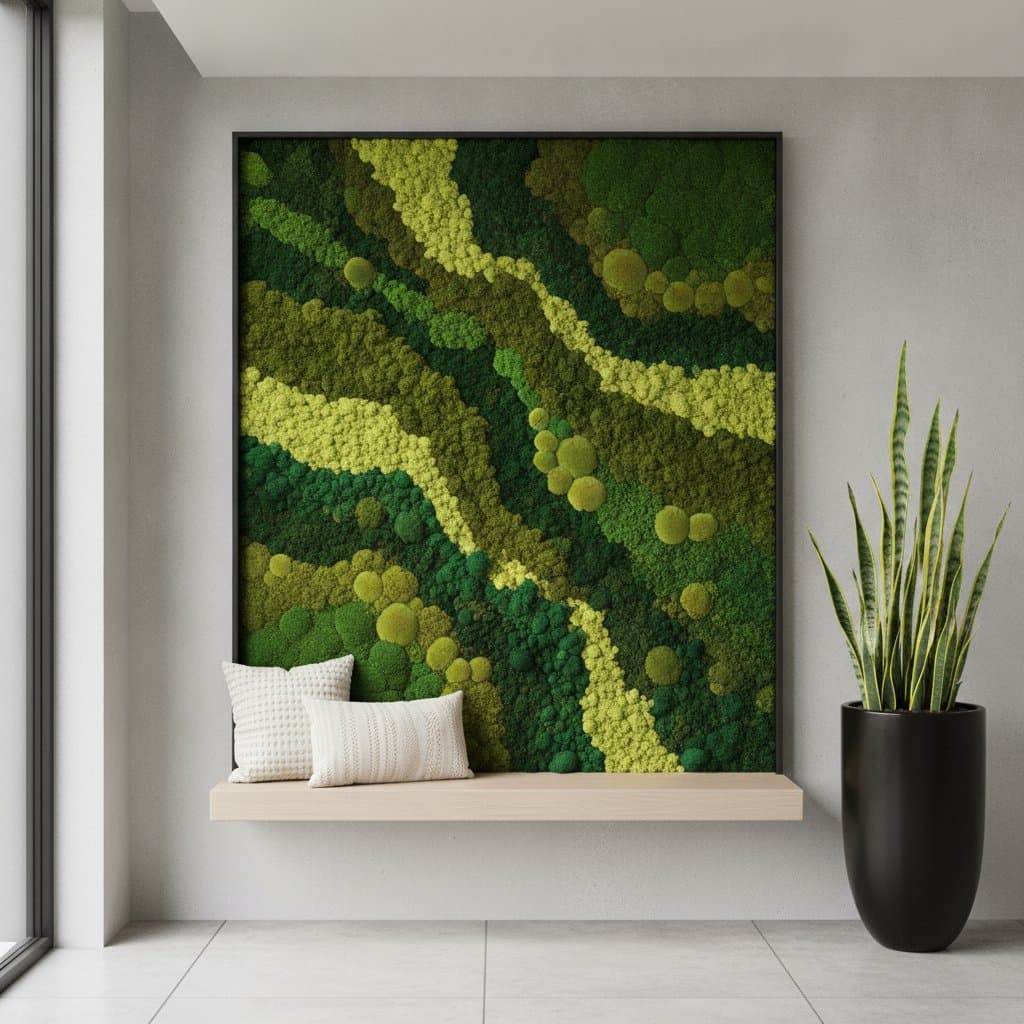
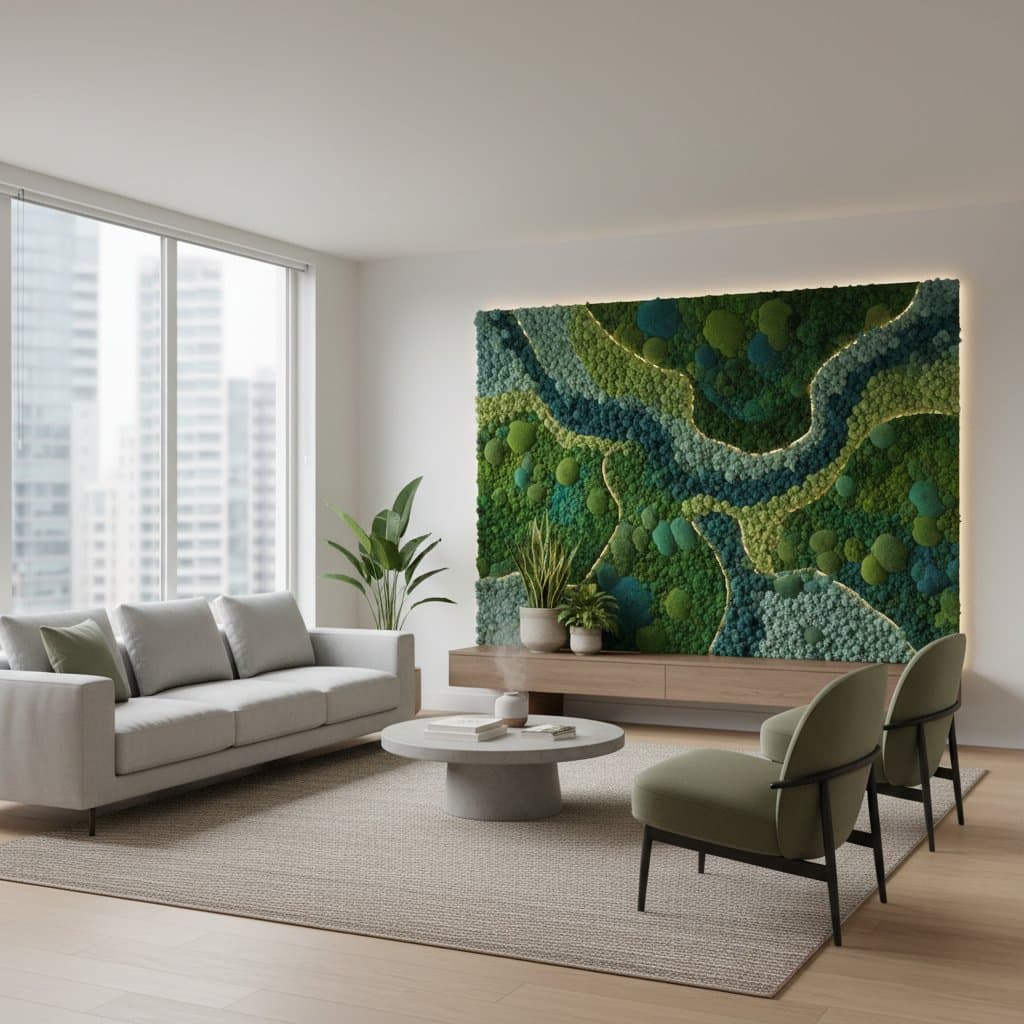
Moss's versatility inspires innovation. Begin with rectangles, then explore patterns, lettering, or abstracts using varied types.
Ideas for enhancement:
- Border the front door with moss.
- Form house numbers in moss.
- Integrate with stone or wood for mural effects.
- Develop panels for privacy and art.
Low-voltage lighting accentuates nighttime texture, blending modern and organic elements.
The Calming Influence of Moss
The most unexpected benefit emerged psychologically. Proximity to the moss wall induced calm upon passing. Living greenery outside fosters grounding, akin to a daily respite.
Moss's subtle beauty avoids ostentation, softening surroundings and promoting tranquility. This mirrors observations from past teaching experiences, where classroom plants reduced student agitation. Similar serenity now graces the front yard.
Overcoming Installation Challenges
Perfection eludes initial efforts. Early drying occurred during warm weather, and rain dislodged a section due to loose mesh.
Lessons from setbacks:
- Prevent overwatering. Dampness suffices; saturation harms.
- Ensure secure fastening initially.
- Exercise patience. Slow growth defines moss's appeal.
- Embrace irregularities. Unevenness enhances natural appearance.
Adjustments led to stability, with moss filling voids and blending seamlessly.
Steps to Implement in Your Yard
Begin modestly with a panel or accent to experience living walls. Proceed as follows:
- Identify a shaded, sheltered location or construct a frame.
- Choose moss suited to climate and light.
- Prepare the base with mesh, felt, or a garden frame.
- Install moss securely and mist consistently.
- Allow time for development; rewards follow patience.
Apartments or constrained spaces accommodate small indoor frames near windows, delivering comparable calm on a reduced scale.
Integrating Moss into Daily Life
Matured moss walls integrate effortlessly, becoming cherished features. Neighbors inquire, visitors interact, and the space evokes a forested touch. It attracts notice subtly, enriching the home without excess.