Mycelium Insulation Transforms Exterior Repairs
When I first encountered the concept of mushroom insulation, I dismissed it with laughter. Raised in Staten Island, I have removed enough mold from basement walls to associate fungi with problems rather than solutions. However, my skepticism overlooked a remarkable innovation. Mycelium insulation, derived from the root structure of mushrooms, reshapes approaches to exterior home repairs, and I now advocate for its use.
The Discovery of Mycelium for Wall Protection
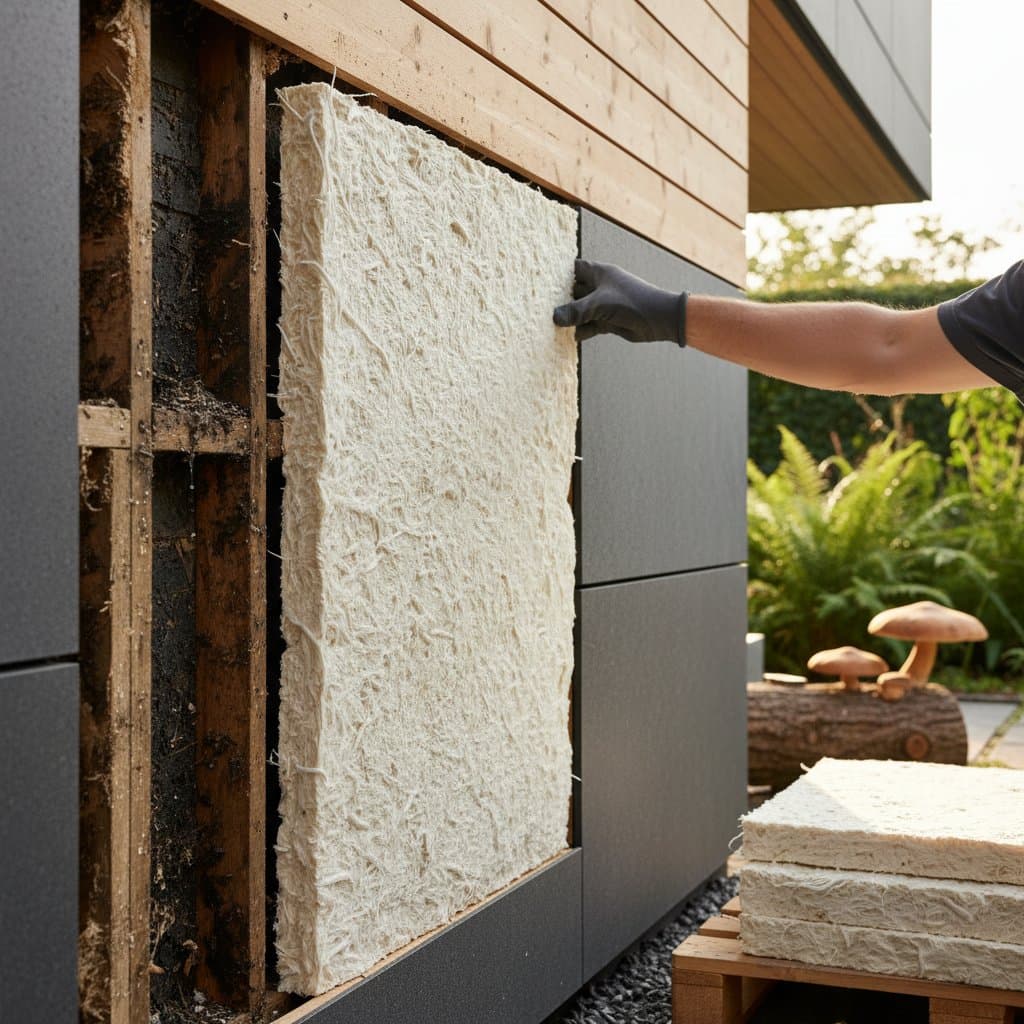
The issue began with a modest area of peeling paint on my house exterior. Such spots often linger unattended, with promises of repair deferred from one weekend to the next. Upon finally removing the damaged paneling, I encountered waterlogged insulation resembling a drenched pancake. Standard fiberglass had retained moisture from repeated Staten Island storms, emitting an odor reminiscent of a neglected locker room.
Understanding Mycelium Insulation
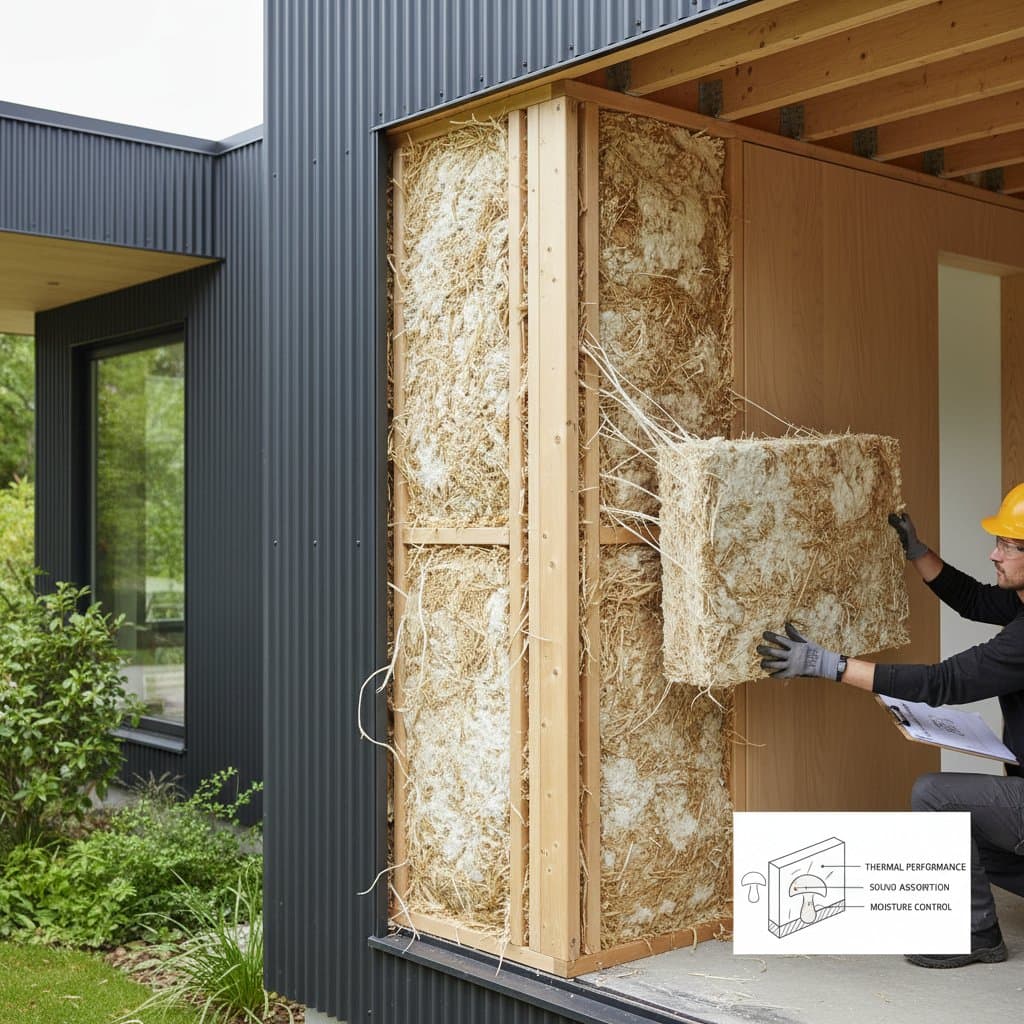
Mycelium consists of the subterranean network of fungal filaments that sustain mushroom growth. In controlled environments, these filaments develop into compact, fibrous blocks suitable as insulation substitutes. The outcome yields lightweight, biodegradable panels inherently resistant to fire, pests, and degradation.
While the underlying biology captivates, practical advantages proved decisive for me. Producers shape mycelium in custom molds to match precise dimensions, minimizing voids and excess material. Its permeability permits vapor escape, while density blocks air infiltration. For individuals combating wall condensation, this balance represents an ideal solution.
Installing Mycelium in a Test Repair
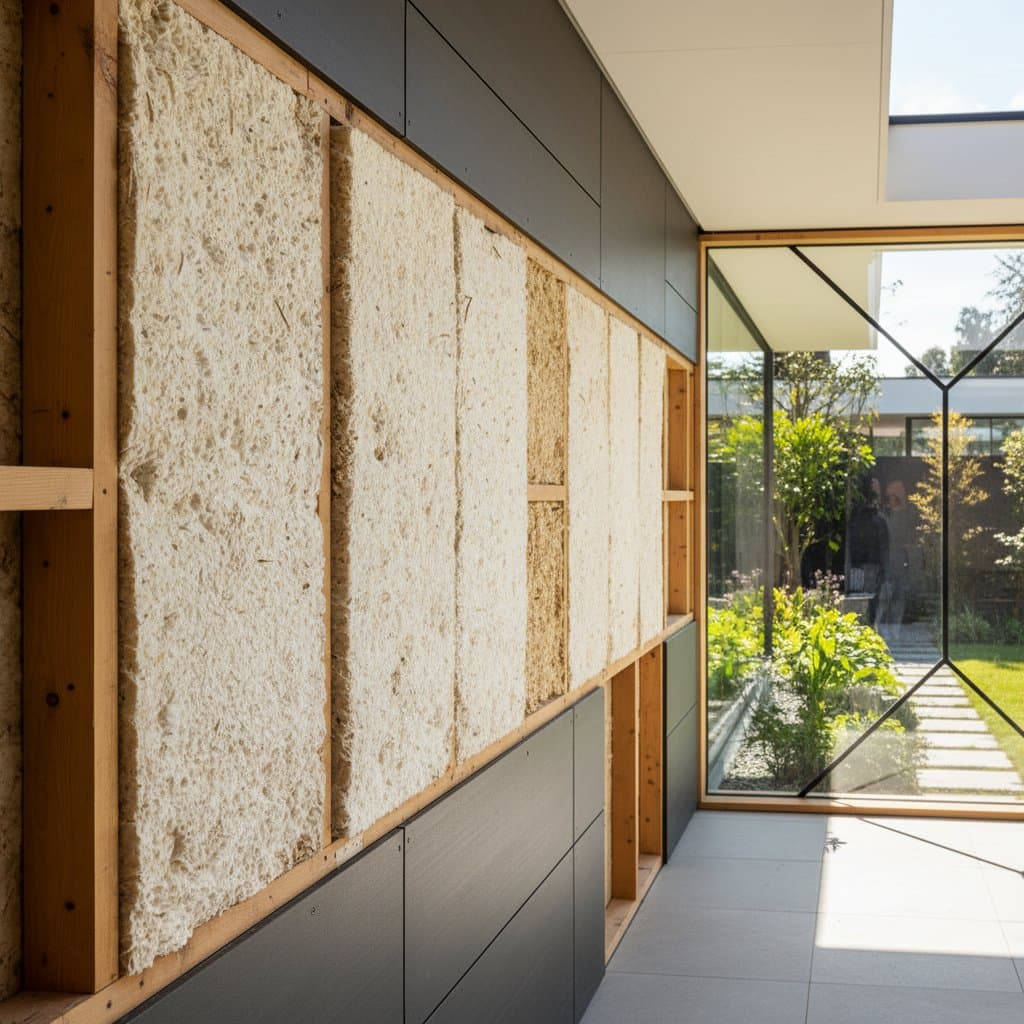
My contractor proposed applying mycelium insulation to a limited wall segment for evaluation, and I agreed promptly. We integrated it into the affected exterior area, securing it beneath fiber cement siding. I anticipated fragility, yet the panels exhibited unexpected resilience, akin to lightweight cork.
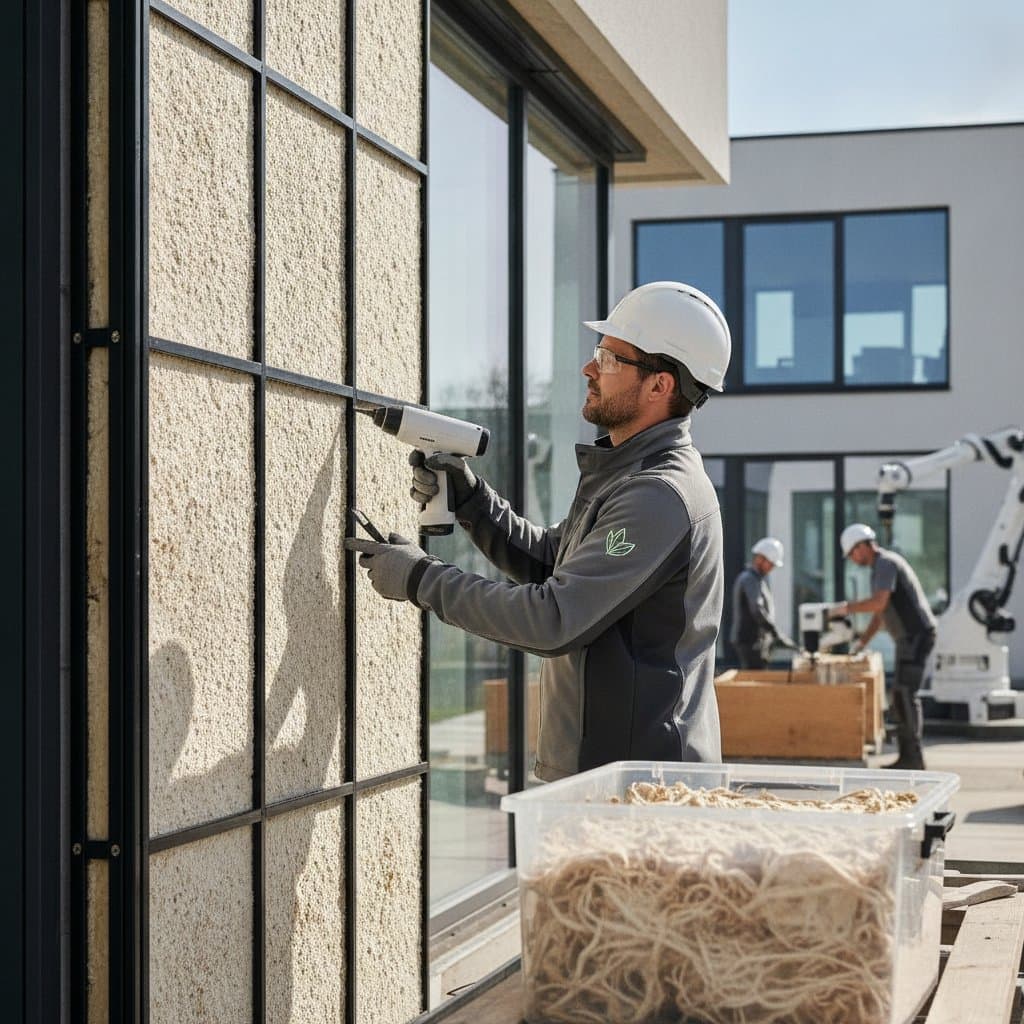
The procedure proved simple. Workers trimmed panels using a standard utility knife and positioned them securely between studs. Unlike fiberglass, it caused no irritation, released no odors, and demanded no protective gear. I considered how accessible this process appeared, even for independent efforts.
Advantages of Mycelium Over Conventional Insulation
Several months later, observable improvements emerged. The office adjacent to the repaired wall maintained consistent warmth and reduced noise levels. Seasonal drafts through the siding disappeared, as did residual dampness following intense rainfall.
Key insights from this experience include:
- Enhanced Moisture Control: Mycelium insulation avoids water retention common in fiberglass. It dissipates accumulated humidity gradually, averting decay and fungal growth.
- Improved Acoustic Performance: The fibrous composition absorbs vibrations effectively. External noises, such as passing vehicles, now register minimally.
- Environmental Benefits: Production utilizes agricultural byproducts, conserving resources. At the end of its service life, the material composts harmlessly into soil.
- Fire Safety: In combustion scenarios, mycelium carbonizes without spreading flames, enhancing overall security.
These attributes elevate exterior wall functionality beyond mere restoration. Mycelium serves as a comprehensive enhancement.
Practical Limitations to Consider
Mycelium insulation, though promising, presents challenges. As a nascent option, supply remains inconsistent in broader markets. Many contractors lack familiarity with its handling, and initial expenses exceed those of fiberglass or foam alternatives.
Long-term reliability and ecological gains offset these drawbacks. The lowest-cost choice often proves least efficient, particularly for moisture barriers and thermal retention. Mycelium insulation demands a modest premium upfront but potentially reduces future maintenance costs.
Advancing Sustainable Home Maintenance
In my role covering home improvement topics, I have observed the shift of green building practices from specialized interests to common priorities. Mycelium insulation stands out for its accessibility. It requires no advanced machinery or intricate procedures; nature provides the foundation when supported appropriately.
Consider exterior wall replacements free from century-long landfill contributions. Envision insulation that returns to the earth upon completion of its purpose. Such approaches redefine repair as holistic renewal.
Steps to Implement Mycelium Insulation
For those interested in mycelium for personal exterior projects, begin modestly. Target a single wall, outbuilding, or accessory structure rather than full renovations.
Practical guidance drawn from my project includes:
- Select an Experienced Professional: Even skilled individuals benefit from experts in bio-materials to prevent errors.
- Choose Breathable Exterior Finishes: Pair mycelium with permeable sidings to facilitate vapor movement, avoiding moisture-trapping barriers.
- Protect Panels Pre-Installation: Store in dry conditions away from sunlight to preserve integrity.
- Track Performance Metrics: Record changes in temperature, acoustics, and comfort levels to quantify benefits over time.
Mentioning mycelium in my walls still amuses others, though the filaments, not fruiting bodies, perform the essential functions. The notion that forest-regenerating networks bolster home resilience carries inherent elegance.
Outcomes of the Mycelium Upgrade
Post-installation, post-storm inspections reveal no penetrating chill through the siding. The fortified area conveys stability, adapting harmoniously to environmental shifts rather than resisting them. This experience underscores that effective improvements transcend mere fixes.
Mycelium insulation fosters deeper respect for sustainable applications in daily settings. It delivers straightforward, organic innovation without ostentation.