Mycelium Insulation: Natural Alternative to Foam Panels
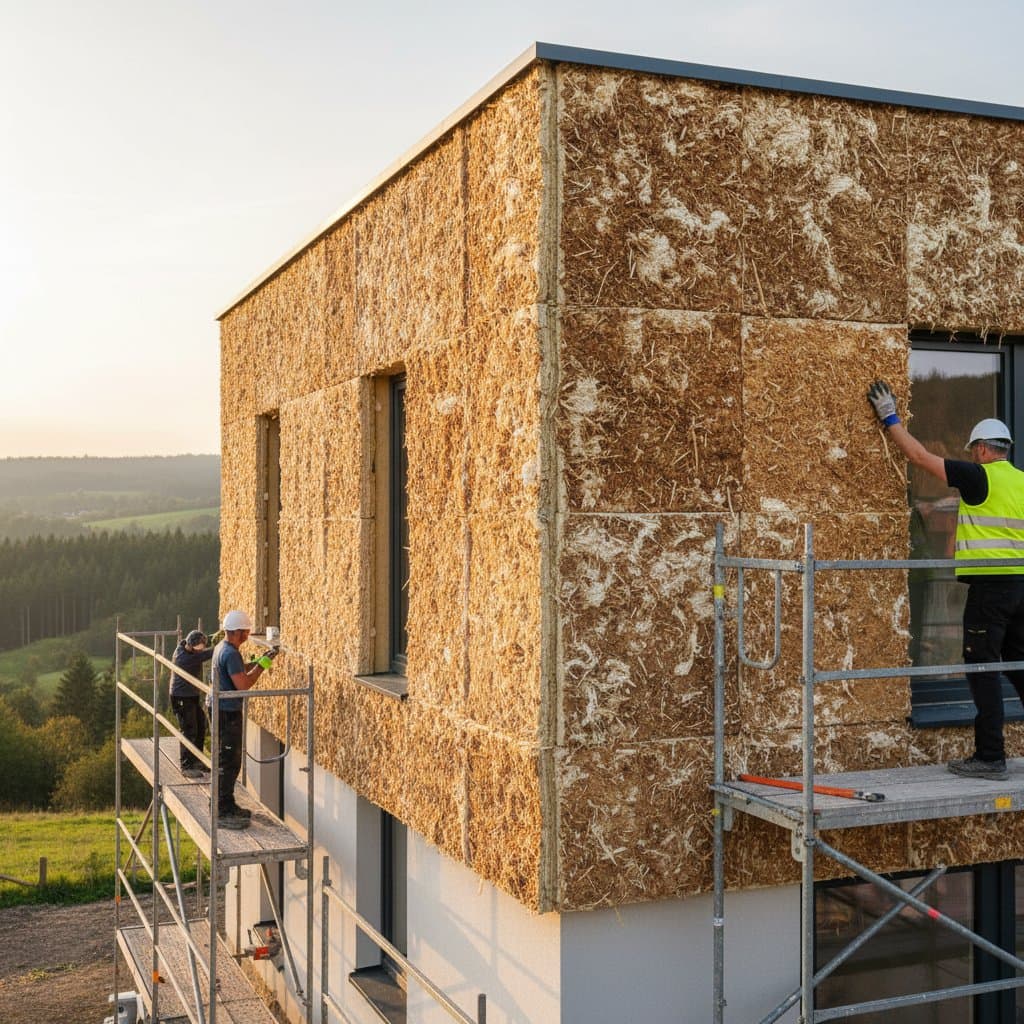
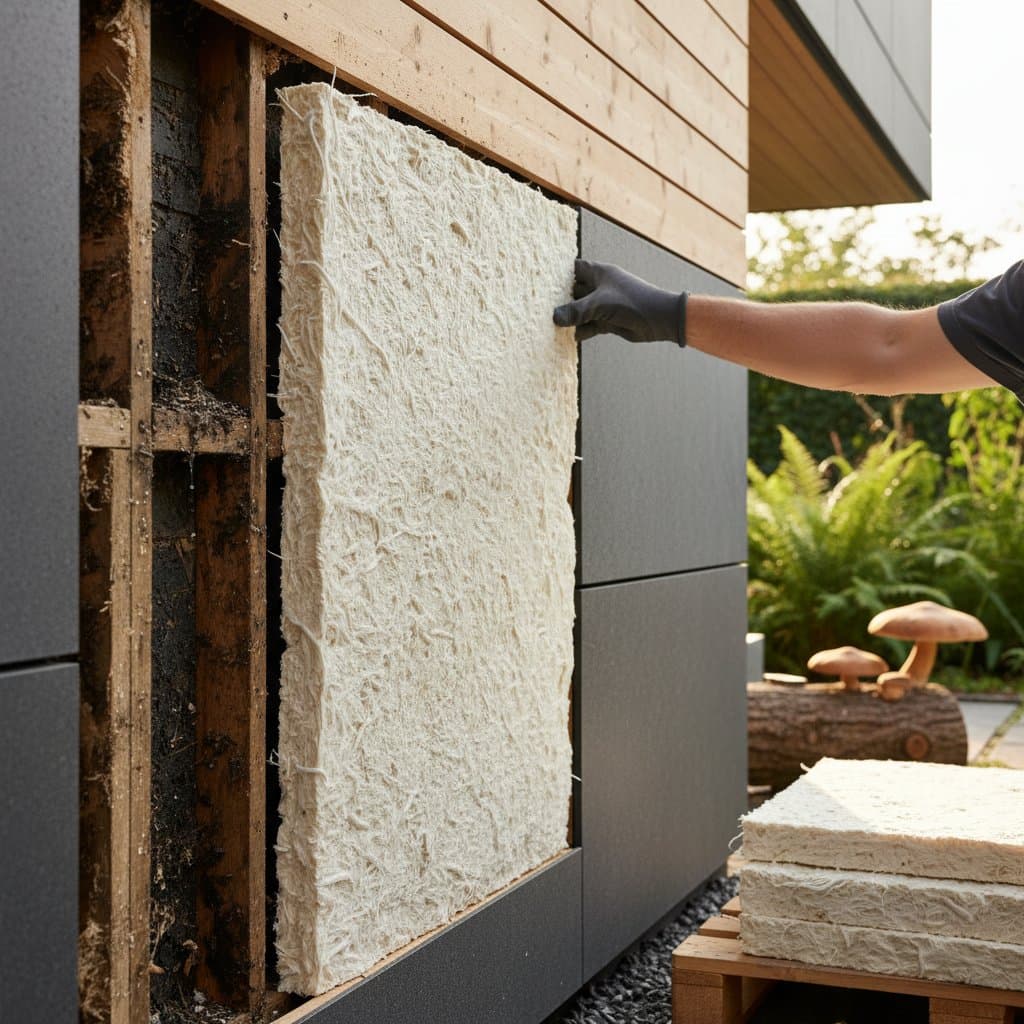
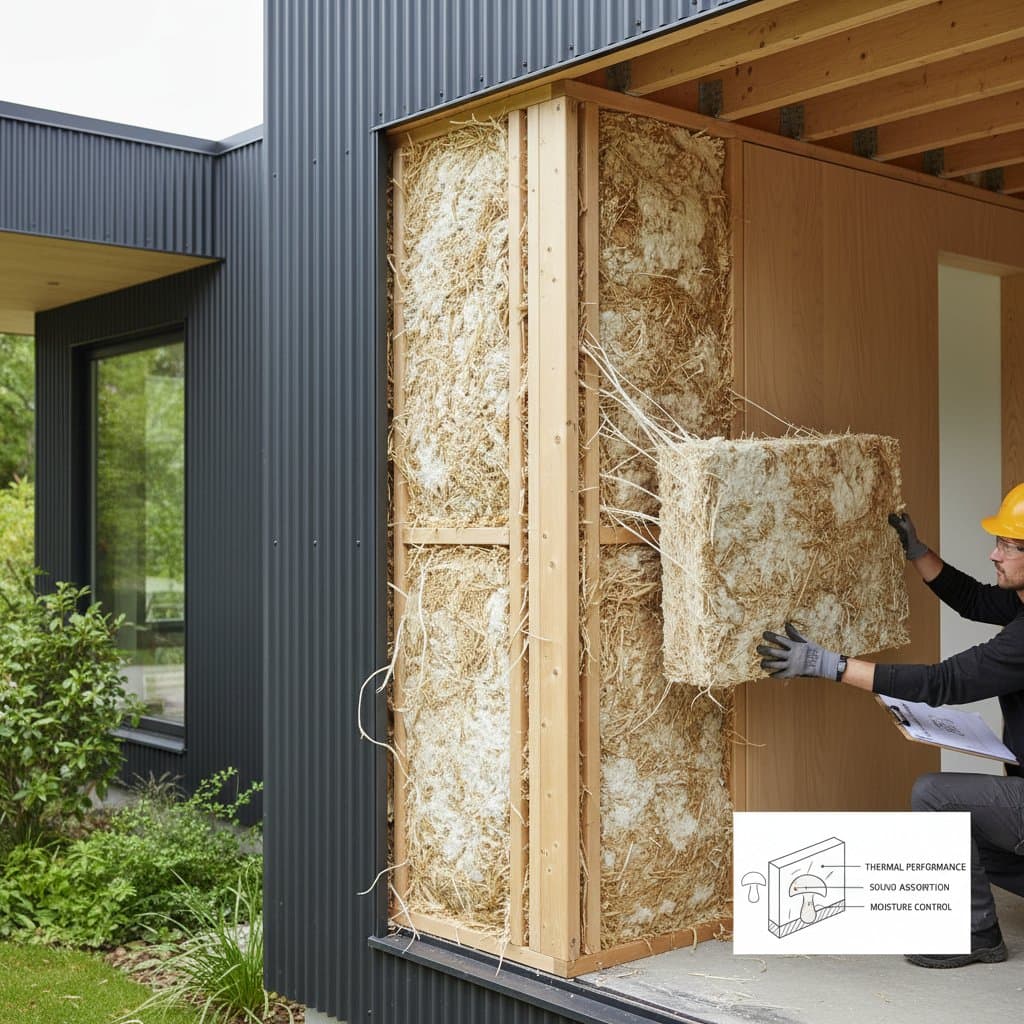
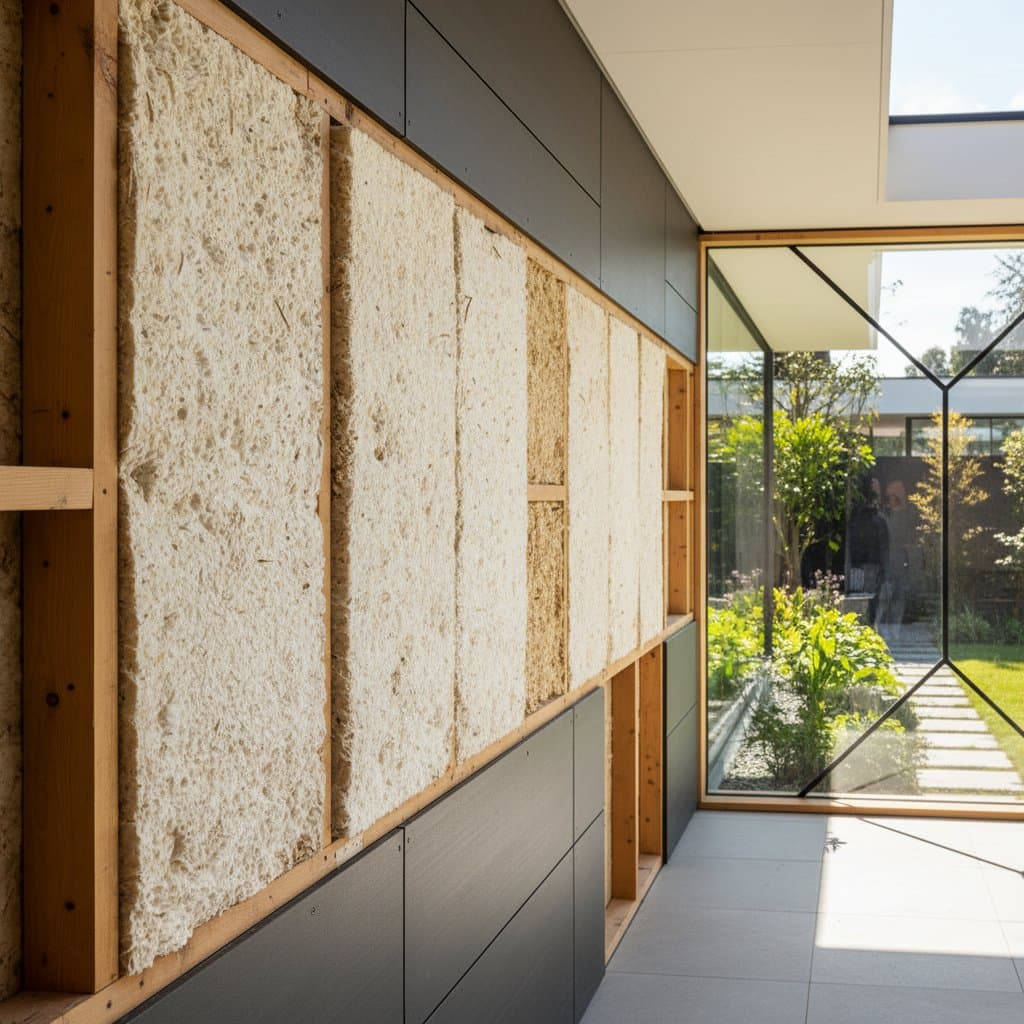
Mycelium insulation grows from fungal roots to deliver biodegradable thermal performance. It provides fire resistance and vapor control while lowering embodied carbon in exterior repairs.
Loading...
Mycelium insulation grows from fungal roots to deliver biodegradable thermal performance. It provides fire resistance and vapor control while lowering embodied carbon in exterior repairs.
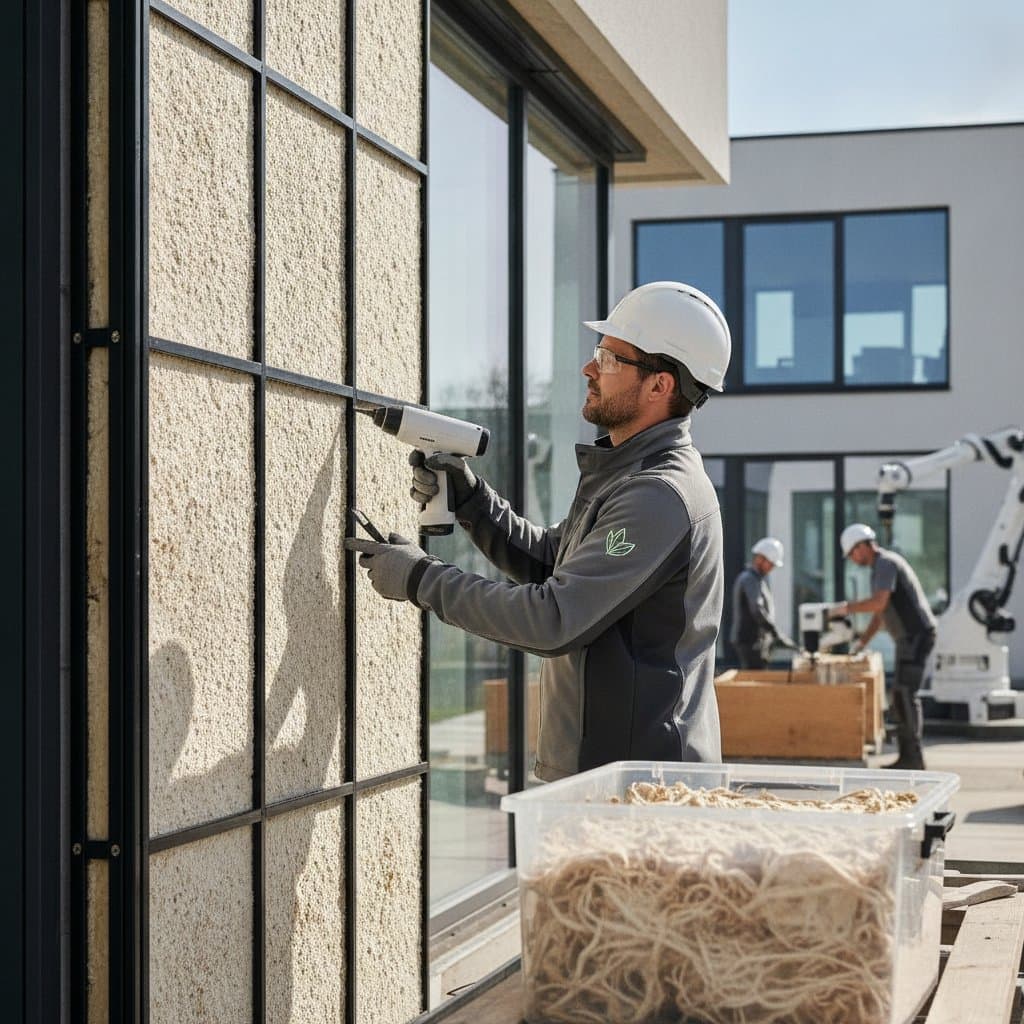
Mycelium insulation grown from fungal roots provides a biodegradable, high-performance option for exterior walls. This guide covers material properties, installation steps, moisture management, and long-term maintenance for sustainable building projects.
Once overlooked as mere mushroom material, mycelium insulation redefines exterior home maintenance. Derived from fungal roots, this breathable, fire-resistant option excels in moisture control and soundproofing. Although emerging and initially more costly, its long-term durability and compostability position it as an ideal choice for sustainable, effective upgrades.
Mushroom insulation, derived from mycelium and agricultural byproducts, redefines sustainable construction. Fully renewable and compostable, it delivers exceptional thermal insulation, soundproofing, and moisture management without toxins. Despite higher initial costs, its environmental, health, and durability advantages position it as an ideal selection for forward-thinking homeowners pursuing regenerative architecture.
Mycelium insulation revolutionizes sustainable architecture by utilizing agricultural waste to create biodegradable, fire-resistant panels. This living material matches conventional insulators in efficiency while promoting moisture regulation and energy conservation, fostering homes that integrate seamlessly with the environment.
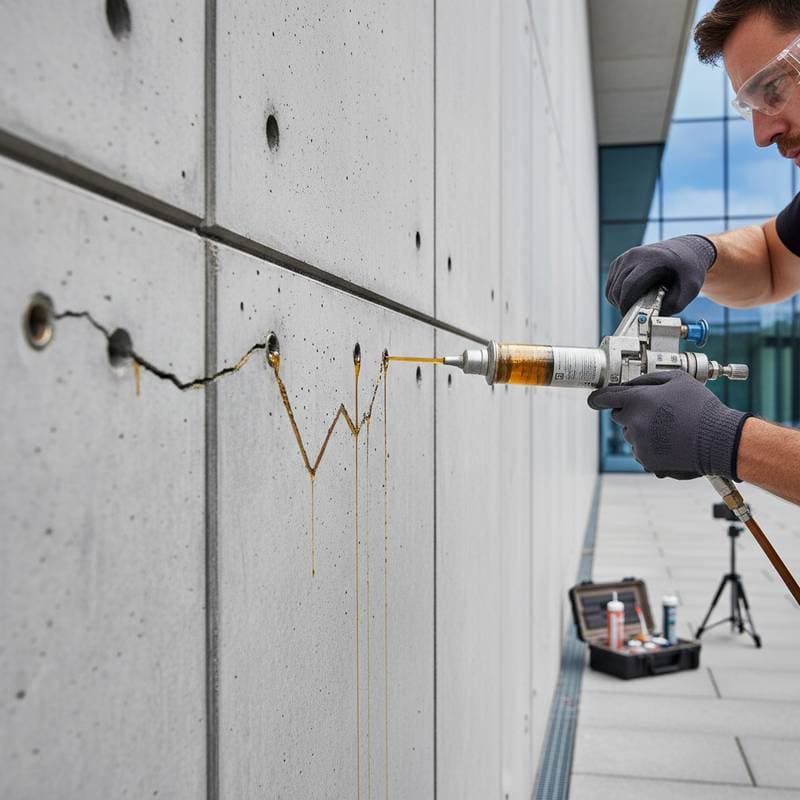
Resin injection turns cracked walls and floors into smooth, waterproof surfaces without demolition. This efficient, long-lasting technique rebuilds structural integrity internally with targeted resins. Review essential preparation, detailed procedures, and expert advice for discreet, superior repairs that surpass conventional patching.
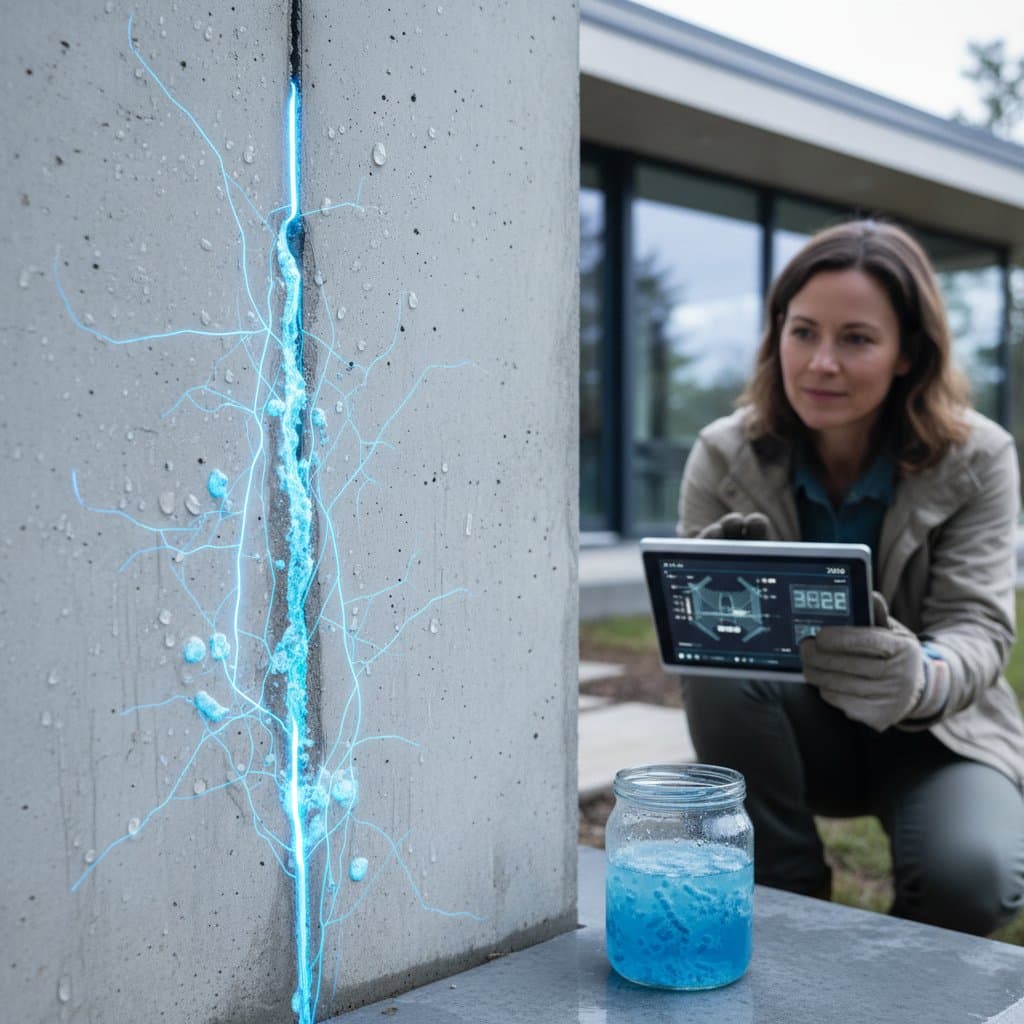
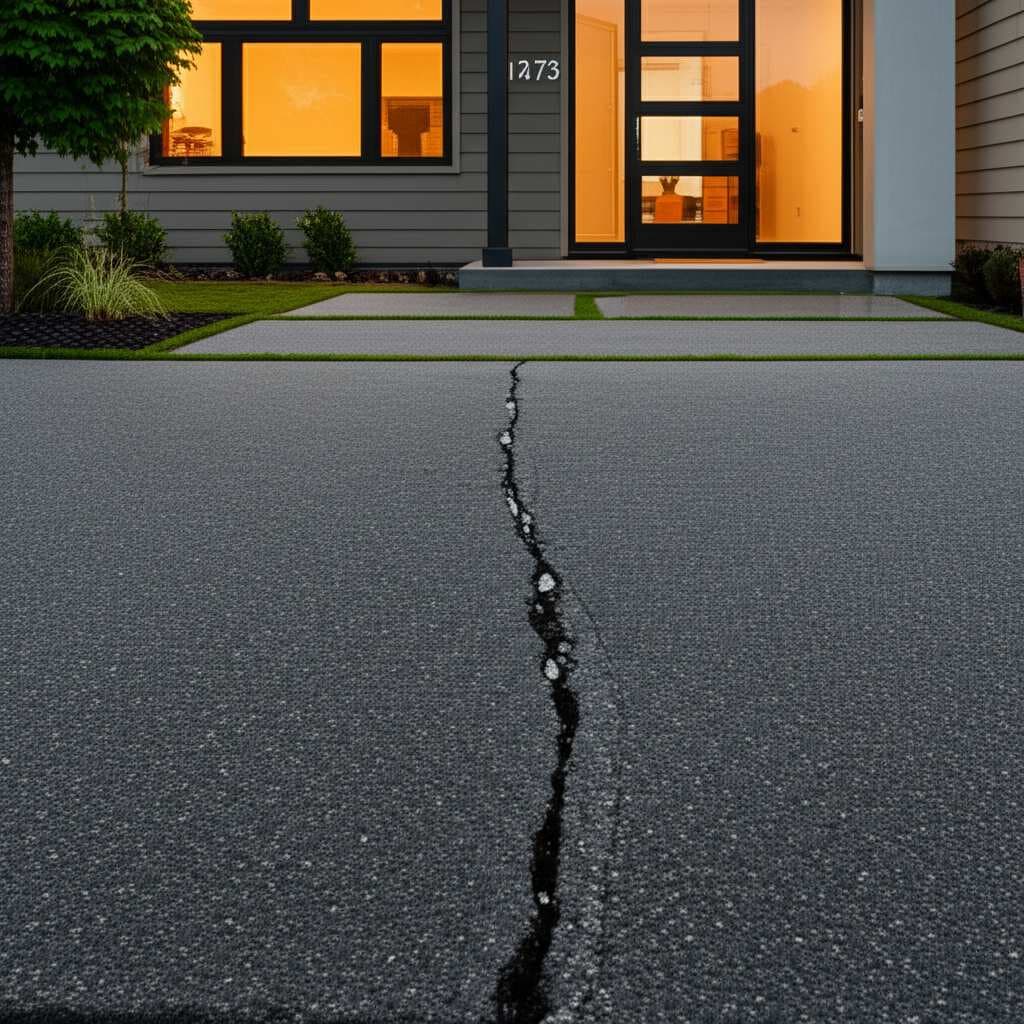
In 2026, self-healing concrete revolutionizes home maintenance. This innovative material, infused with bacteria that produce limestone when exposed to moisture, seals cracks automatically to extend structure life and simplify DIY repairs. Homeowners benefit from increased confidence, enhanced sustainability, and easier foundation maintenance, marking a shift toward smarter building materials.
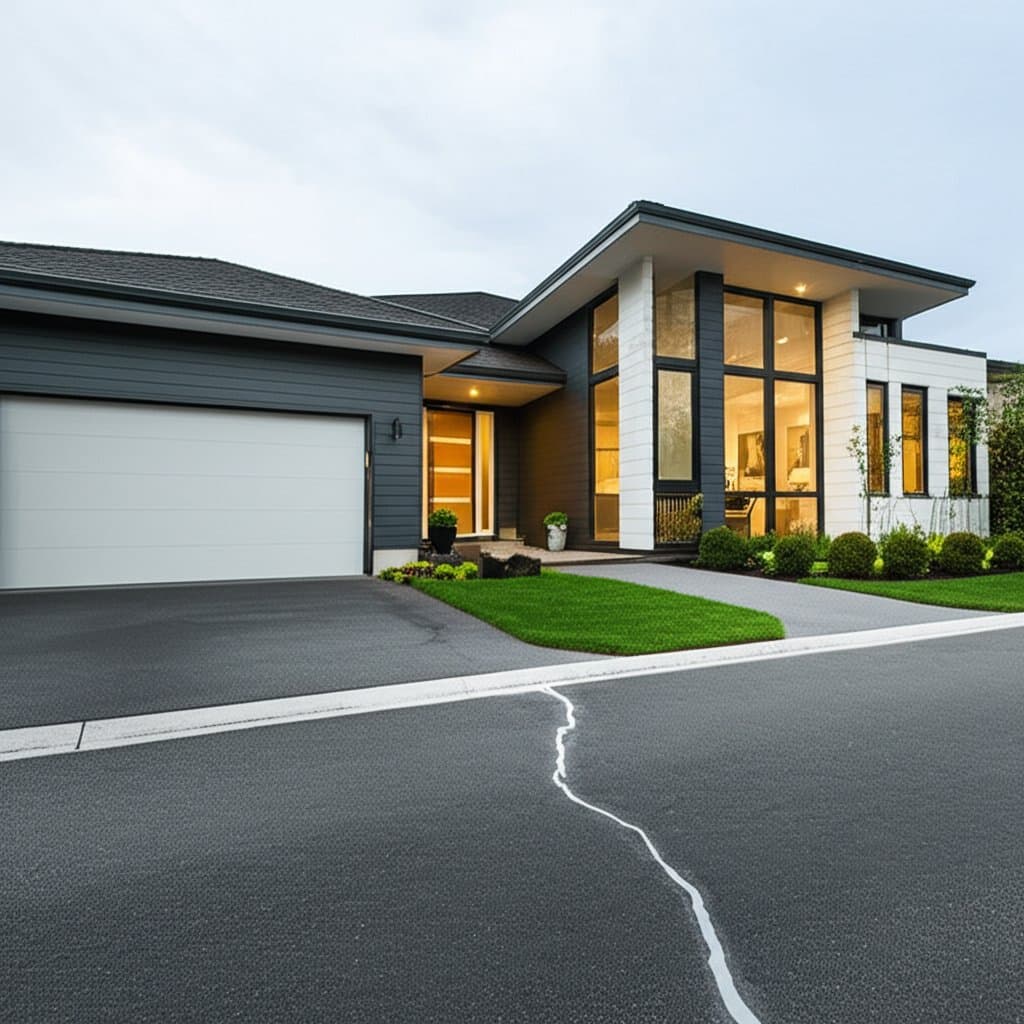
Weather takes a constant toll on homes, from cracked driveways to damaged roofs. Self-healing materials, engineered to repair minor damage automatically, offer a promising solution. Learn how these innovative concretes, coatings, and shingles could save you time and money while making your home more resilient.
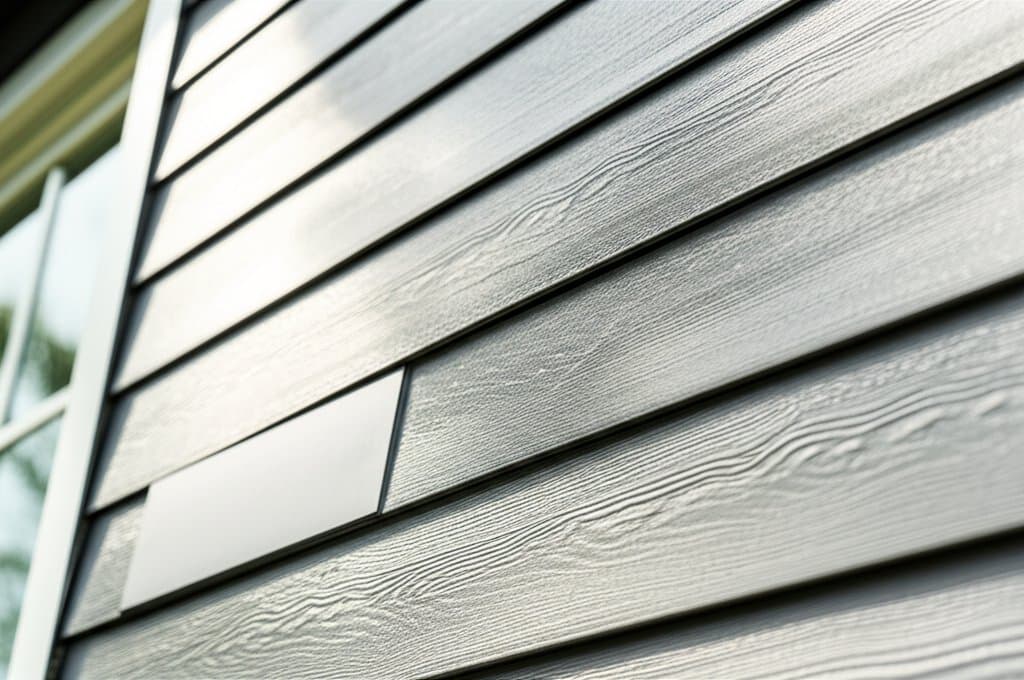
3D-printed siding patches offer a game-changing approach to home repairs, providing custom-fit, durable fixes that take minutes instead of hours. With precise color-matching and weather-resistant materials, these patches eliminate the hassle of traditional methods. Learn how this technology saves time, cuts costs, and boosts your home's exterior appeal with minimal effort.
Say goodbye to weekend pressure washing with self-cleaning siding. Using advanced coatings, it repels dirt and resists mildew with just rain or sunlight, saving time, enhancing curb appeal, and protecting your investment for effortless home maintenance.
Explore thermochromic siding, a cutting-edge material that shifts color with temperature to boost curb appeal and energy efficiency. This comprehensive guide covers evaluation, installation, maintenance, and costs, helping homeowners decide if this innovative technology fits their needs.
Self-healing materials are revolutionizing home maintenance by automatically repairing cracks, scratches, and weather damage. From concrete to paints and roofing, these innovations reduce costs, extend durability, and offer convenience, transforming how homeowners care for exteriors.