Bacterial Self-Healing Concrete Simplifies Foundation Repairs
The concept of self-healing concrete may initially seem like advanced science fiction. However, for homeowners facing the challenges of cracked foundations, this technology offers practical relief. As a home improvement expert, the focus here lies on how this material addresses common issues with reliability and ease.
A hairline crack in a basement wall often signals potential problems if left unchecked. Research reveals that self-healing concrete provides an effective solution for early intervention, particularly for those inclined toward do-it-yourself approaches. This material empowers homeowners to manage minor damages before they escalate.
How Self-Healing Concrete Functions
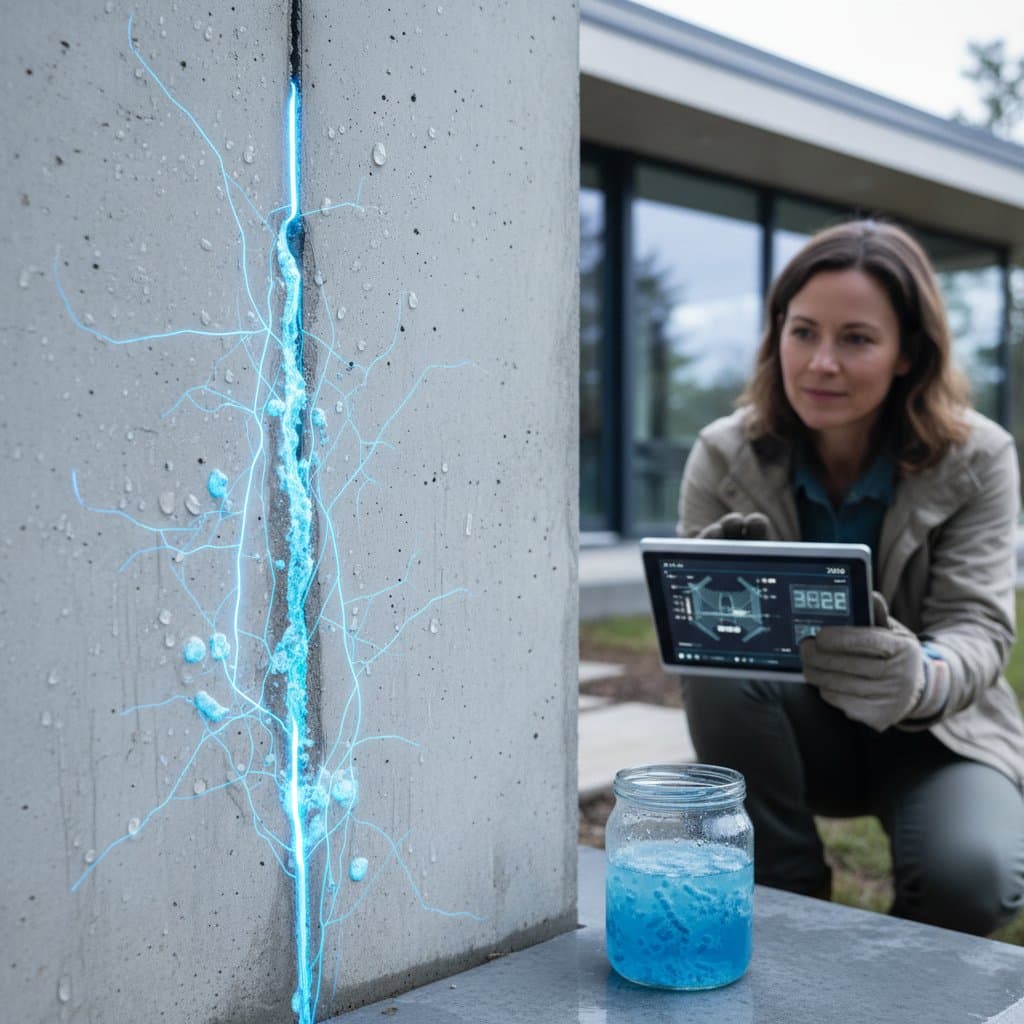
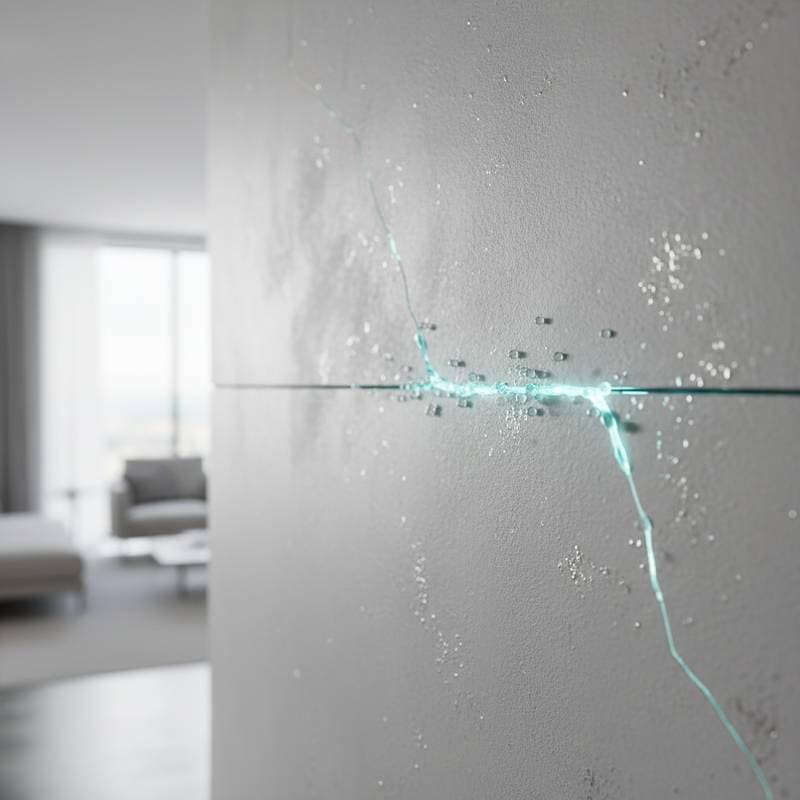
Self-healing concrete operates through embedded bacteria that activate upon contact with water. These microbes produce limestone to fill cracks, preventing further deterioration without manual intervention. The process mimics a natural repair mechanism, restoring integrity to the structure.
Initial Testing and Observations
Testing self-healing concrete begins with preparing a small sample for controlled evaluation. After curing, introduce a deliberate crack and apply water to simulate real conditions. Observe the changes over several days to assess the healing process.
Within a few days, the crack diminishes in size. By the end of the week, limestone deposits visibly seal the gap, demonstrating the material's effectiveness. This hands-on approach highlights its potential for practical applications in home settings.
Such experiments underscore the value for foundation maintenance. The results inspire confidence in using this technology for actual repairs.
Advantages for Do-It-Yourself Enthusiasts
Self-healing concrete alleviates concerns associated with foundation work, which often intimidates homeowners due to its foundational importance. Basic skills in mixing compounds or applying sealants suffice for integration. The material enhances accessibility for independent projects.
Key benefits include:
- Reduced maintenance demands. Bacteria activate automatically upon crack formation, minimizing ongoing oversight.
- Extended service life. Self-repair capabilities prolong the usability of concrete elements.
- Streamlined application. Users apply it in manageable quantities, accommodating various conditions.
- Increased assurance. Built-in repair features provide reliability for structural elements.
This technology suits minor issues but does not replace professional assessment for significant structural concerns or water problems. For preventive care and small cracks, it serves as a valuable tool.
Applying Self-Healing Concrete to Existing Structures
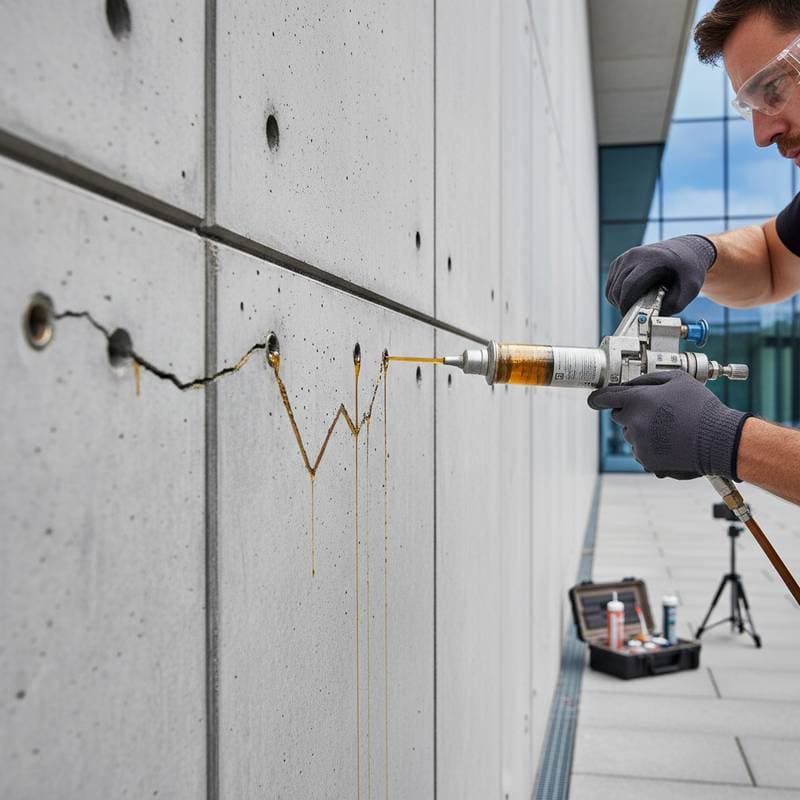
To apply self-healing concrete to a basement crack, first clean the surface to remove debris. Mix the compound per instructions, ensuring a smooth consistency similar to standard concrete. Fill the crack and maintain light moisture for several days to initiate healing.
After a week, inspect the area for solidity. The repair integrates seamlessly, resisting moisture during rain events. While the process requires care in mixing, it demands no advanced equipment.
Users appreciate the straightforward nature of this method. It represents a forward-thinking option for routine home upkeep.
Essential Considerations for Use
Select the appropriate product variant, as some formulations suit new installations while others target repairs. Thorough surface preparation ensures optimal bacterial activation. Moisture plays a critical role, so dampen the area post-application to facilitate the process.
Expect effective results on fine cracks, but recognize limitations for larger defects or shifts. Standard tools like a trowel, bucket, and spray bottle suffice. This accessibility broadens its appeal to everyday homeowners.
Broader Implications for Home Maintenance
Widespread adoption of self-healing concrete encourages preventive strategies in home care. Homeowners focus less on crisis response and more on sustained protection. This approach suits busy schedules filled with professional and family commitments.
From an environmental standpoint, the material curbs waste by reducing the need for frequent replacements. Fewer resources go into production and transport, lowering overall impact. Such innovations promote responsible building practices.
This technology fosters a proactive mindset toward property upkeep. It equips individuals with tools for enduring home stability.
Steps to Implement Self-Healing Concrete at Home
Begin with non-structural tests, such as repairing a walkway or garage floor crack. Familiarize yourself with the mixing and curing process in a low-stakes setting. Progress to foundation applications once comfortable.
Monitor the repair over time to evaluate performance. This gradual integration builds practical knowledge. For those confronting foundation concerns, this material delivers both functional repair and reassurance.
Retain a test sample as a reference for future projects. It symbolizes accessible advancements in home improvement, emphasizing simplicity and strength without extensive overhauls.