Dopamine Decor: Colorful Bedrooms Gaining Popularity
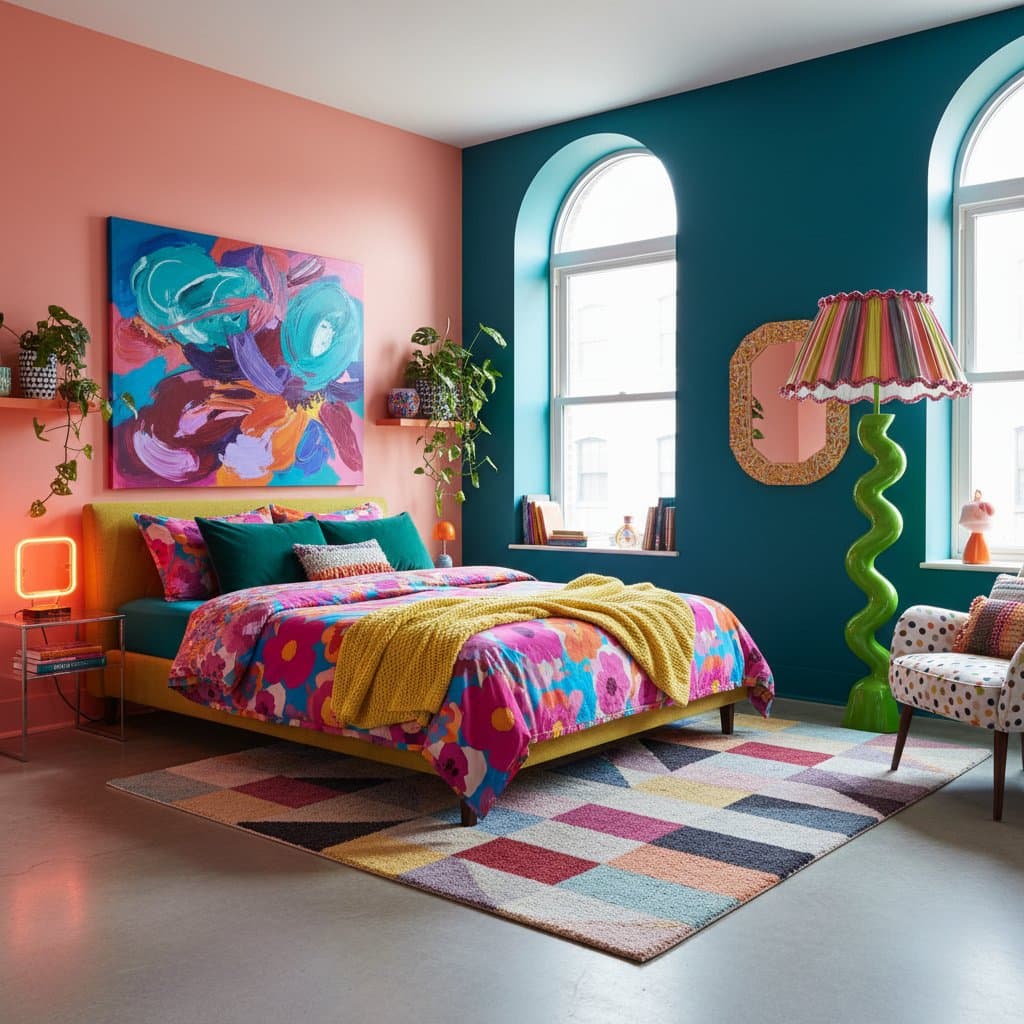
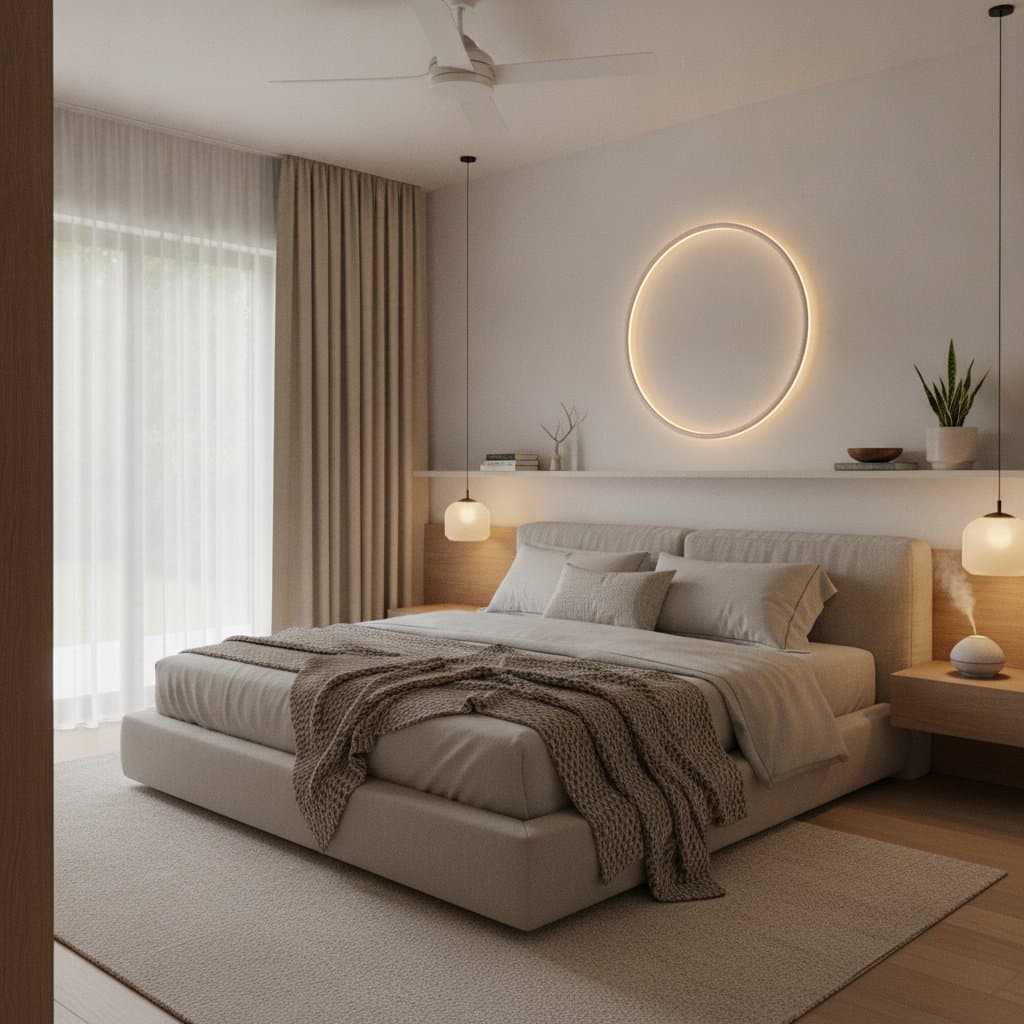
Many bedrooms feature white walls, beige bedding, and simple black lamps that aim for a timeless look. These spaces provide serenity, yet they often lack vitality. After years of covering home design trends, one editor decided to explore a bolder approach: dopamine decor, a movement that prioritizes color, texture, and joy over neutral minimalism.
Social media platforms showcase dopamine bedrooms with rainbow bedding, vivid curtains, and energetic accents. At first, these designs may appear overwhelming to those accustomed to subdued palettes. However, observers note that owners of such spaces express genuine contentment, and their rooms radiate life. In regions with long, gray winters, neutral tones can amplify feelings of monotony rather than comfort.
Understanding Dopamine Decor
Personal Experiment with Color
The experiment began with modest additions, such as a vivid orange duvet cover reminiscent of resort settings. A beige lamp gave way to a soft pink alternative. For added impact, one wall received a layer of robin’s egg blue paint.
Initial results showed some discord: the blue hue contrasted sharply with dark wood pieces, and the orange bedding appeared intense. A spouse remarked on the transformation with mild surprise. Within days, however, the space elicited positive responses. Entry into the room brought a sense of levity, and the colors prompted smiles. The imperfections contributed unique character rather than detracting from appeal.
This experience highlights the core of dopamine decor: fostering joy through environment rather than flawless presentation. Happiness often emerges in spaces that allow for minor disarray.
Incorporating Color Thoughtfully
Those interested in dopamine decor may hesitate to overhaul their bedroom entirely. Begin with deliberate steps to introduce vibrancy without excess. The following strategies, drawn from practical trials, help achieve balance:
-
Focus on textiles first. Items like bedding, window treatments, and cushions offer reversible changes. Starting here establishes the room’s overall vibe without permanent alterations.
-
Introduce hues gradually. Pair a single striking color with neutral or subdued shades. A colorful headboard, for instance, stands out effectively against softer walls.
-
Combine patterns and materials freely. Dopamine decor thrives on variety, so stripes can coexist with florals, or matte surfaces with glossy ones, provided the mix inspires pleasure.
-
Add playful elements. Incorporate items like an unusual light fixture, humorous artwork, or a rug evoking cherished locations. These details infuse levity and prevent rigidity.
-
Apply color selectively. Limit bold applications to one feature, such as an accent wall or trim details, to alter the atmosphere subtly yet effectively.
-
Consider illumination effects. Vibrant shades shift under different lights; warm tones enhance oranges, while cooler ones suit blues. Testing with adjustable lamps ensures harmony.
Psychological and Cultural Appeal
Bright interiors energize occupants for sound reasons. Studies in color psychology indicate that warm tones like yellow and orange promote optimism and comfort. Cooler shades such as blue and green foster tranquility, while pinks and reds evoke intimacy or vitality. Tailoring combinations to personal taste yields spaces that soothe and invigorate simultaneously.
Beyond science, dopamine decor addresses a broader cultural shift. Minimalism long dominated design, prioritizing simplicity. Recent global events heightened awareness of bland surroundings, sparking a return to expressive elements. Color now represents a form of personal reclamation, infusing daily life with vitality.
These designs also excel in visual media, explaining their online popularity. Effective examples balance aesthetics with utility and individuality. They reveal owners’ passions, collections, and aspirations, turning bedrooms into narrative spaces.
Practical Implementation Tips
Budget and lifestyle constraints affect feasibility. Renters can use temporary solutions like adhesive wallpaper or removable decals to introduce pattern without damage. Simple exchanges, such as patterned lamp shades or vibrant blankets, yield noticeable improvements.
Maximalism invites abundance, yet equilibrium remains essential. Overloading with clashing colors risks fatigue. One attempt with a vivid green rug amid existing hues created visual overload, necessitating a switch to a neutral base that anchored the palette.
Aim for vibrancy that supports rest. A room that delights yet invites relaxation achieves optimal design.
Personalizing for Lasting Joy
Home design often serves as a canvas for self-expression, much like creative exercises in other fields. Dopamine decor mirrors this by encouraging eclectic assemblies that capture essence.
To initiate, reflect on colors tied to positive associations: a favored garment’s tint, a daily essential’s shade, or a nostalgic room’s palette. These ties guide authentic choices.
Joy need not equate to intensity. Subtle pairings, like lavender walls with mustard accents, convey happiness effectively. The essence lies in authenticity over imitation.
Embracing Daily Benefits
A transformed bedroom filled with cheerful colors improves sleep quality and overall mood. The space now aligns closely with personal identity, turning routine moments into uplifting experiences.
Visitors respond diversely: some find the brightness overwhelming, others seek specifics immediately. This variability underscores dopamine decor’s strength: its customization to individual needs. What energizes one person may suit another differently, ensuring tailored comfort.