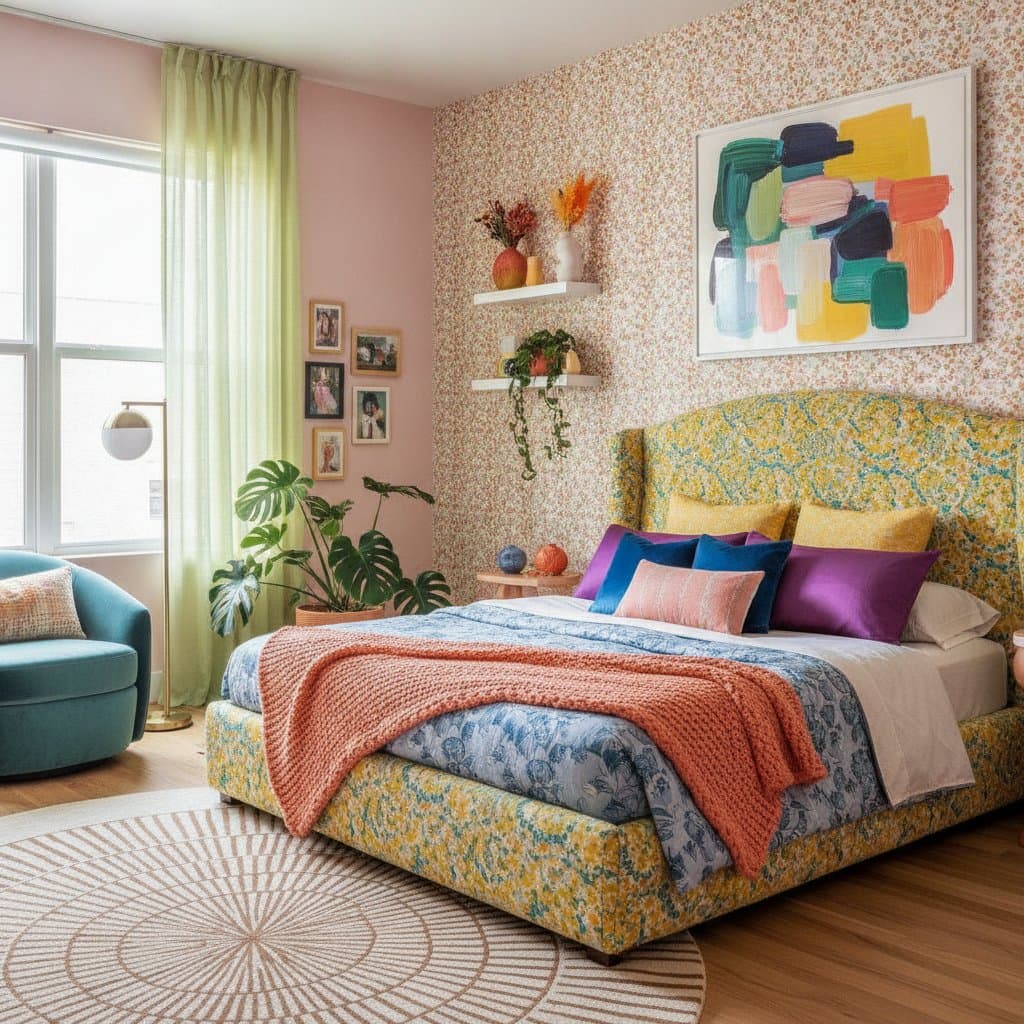
Key Considerations for Separate Bedrooms
- Many couples now select separate master bedrooms to secure better sleep quality and personal space.
- This choice often prevents tension and resentment that arise from sleep disruptions.
- Budget and home design flexibility determine whether couples can create dual master suites.
- Proper planning helps balance intimacy, privacy, and household practicality.
- Separate bedrooms can strengthen relationships when designed with intention rather than as a reaction to conflict.
Sleep Quality as the Primary Driver
Snoring, restless movement, and mismatched sleep schedules rank among the most common reasons couples consider separate bedrooms. In many cases, partners hold different body temperature preferences or mattress firmness needs. One person may work late shifts while the other rises early. Over time these differences can wear down even strong relationships.
Situations That Warrant Separate Bedrooms
Not every couple needs two master suites. Clear situations make the option practical. Consider separate primary bedrooms if one partner sleep habits consistently disturb the other despite repeated efforts to adjust them. Conflicting work schedules that make shared rest difficult also qualify. Preferences for different room temperatures or light levels provide another signal. Personal hobbies that require quiet or late night space add further justification. A relationship built on mutual choice rather than forced compromise represents the final indicator.
If these points apply, separate bedrooms merit exploration. The decision should stem from open communication and planning rather than frustration.
Budget Planning for Dual Master Suites
Adding or remodeling to include separate master bedrooms ranges from modest to substantial costs depending on the home footprint. Homeowners with unfinished basements, large bonus rooms, or expanded attic spaces often locate cost effective solutions. Converting an existing guest room may also work well.
Budget Friendly Options
- Convert existing rooms. Use a spare bedroom and update furnishings for comfort and privacy.
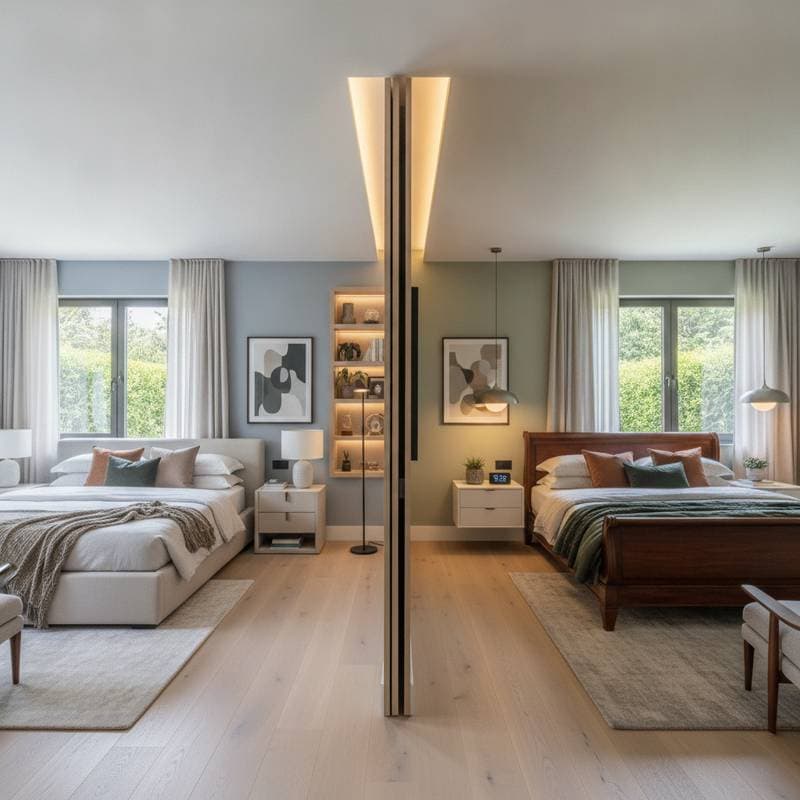
- Split large suites. Divide a single oversized master with a stud wall and separate doors.
- Coordinate shared utilities. Maintain one HVAC zone and shared plumbing walls to reduce cost.
- Complete DIY finishing. Skilled homeowners can handle painting, flooring installation, and trim work to lower labor expenses.
When Professional Help Is Required
Electrical rewiring, load bearing wall modifications, or new plumbing installations require licensed professionals. A general contractor or architect can ensure structural integrity and code compliance. While hiring help adds cost, it prevents expensive mistakes and supports long term durability.
Design Role in Relationship Harmony
A home design shapes how people interact within it. When both partners maintain their own restful spaces, they naturally bring calmer energy to shared areas. Bedrooms designed for individual comfort can still reflect unity through coordinated colors, matching materials, or shared architectural elements.
Some couples design adjoining suites with a connecting door. Others prefer separate wings entirely. The key remains intentional design that fits both personalities. Thoughtful planning creates long lasting stability in the same way careful construction supports a strong piece of furniture.
Reframing the Sleep Divorce Label
The term sleep divorce sounds harsh yet misrepresents what many couples experience. The decision to sleep separately rarely concerns ending intimacy. It centers on creating a balanced environment that keeps both partners healthier and happier. Many couples who adopt this lifestyle describe it as a sleep partnership rather than a separation.
Reframing the conversation around health and choice helps couples avoid unnecessary stigma. Honest communication remains vital. Discuss expectations for shared time and private routines so that both partners feel valued.
Communicating the Change Effectively
If one partner shows hesitation, approach the topic with empathy. Frame the idea as a solution for better sleep rather than rejection. Discuss specific issues such as snoring or restlessness and suggest a trial period. This approach removes defensiveness and encourages collaboration.
During the transition maintain small acts of connection such as shared breakfasts or evening talks. Demonstrating that the relationship remains strong helps both partners feel secure in the new arrangement.
Practical Steps for Long Term Success
Start with honest communication before any design decisions. The emotional groundwork holds equal importance to the physical renovation. Prioritize comfort and sound control because cheap materials lead to noisy walls and cold floors that undermine the benefit of separation. Design for flexibility so spaces can merge or repurpose later. Avoid structural changes that prove difficult to reverse. Keep routines connected through shared meals, household chores, and hobbies. Finally avoid guilt because choosing separate bedrooms constitutes a practical decision rather than a moral one. Focus on elements that strengthen the relationship.