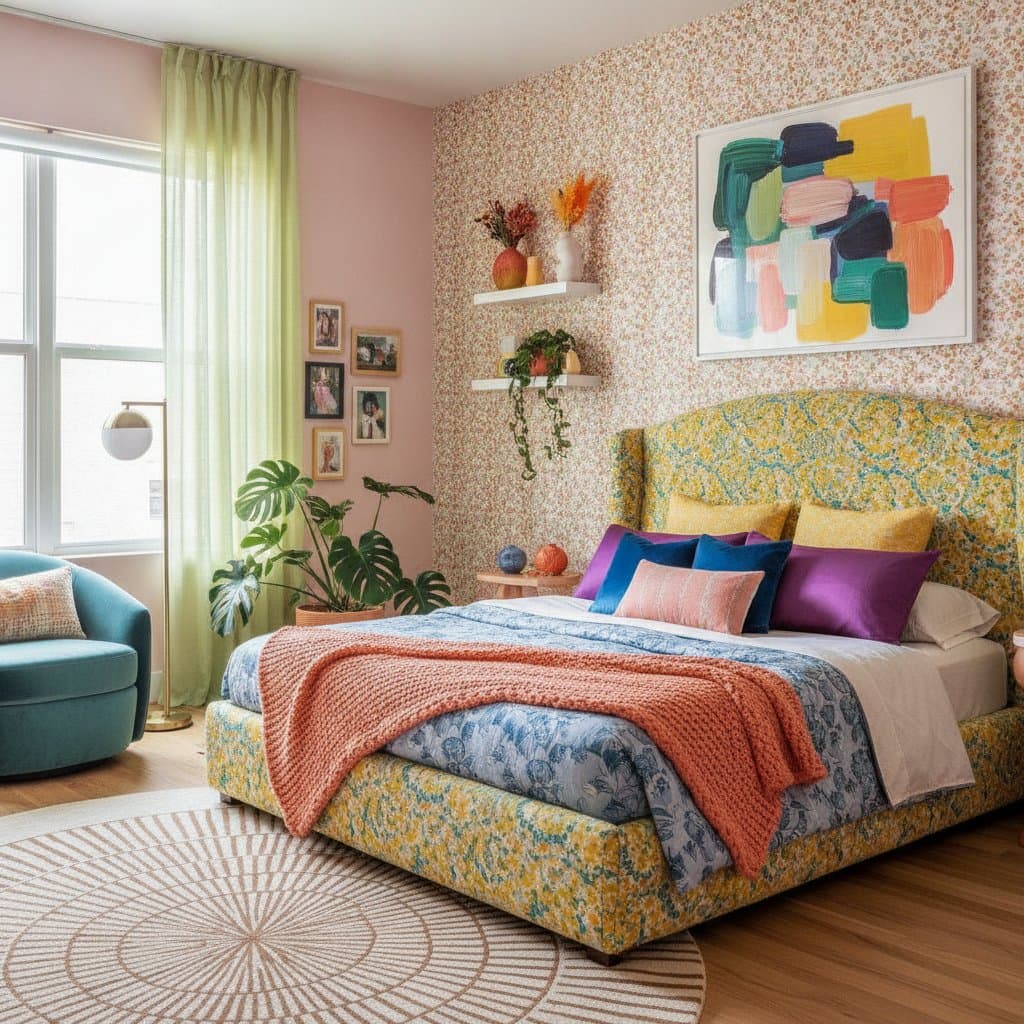
Dopamine Decor Ideas for Happier Bedrooms
There is something deeply personal about the space where you begin and end each day. Bedrooms hold emotion, energy, and the small rituals that define daily life. Over the years, through moves between a tiny New York apartment, a stone farmhouse in rural France, and now a cozy home between London and the Cotswolds, one truth stands out. Your bedroom should make you feel good the moment you walk in. That is where dopamine decor comes in.
This playful, color-infused design approach is more than a passing trend. It is a way of shaping your environment to lift your mood, support better rest, and spark genuine happiness. When you design with dopamine in mind, you are not just decorating. You are creating a sensory experience that supports emotional well-being.
Key Takeaways
- Dopamine decor uses color, texture, and emotion to create spaces that elevate mood.
- It is deeply personal and grounded in what genuinely makes you feel happy and calm.
- Small changes like bedding, art, and lighting can have a big emotional effect.
- This approach works in both minimal and maximal spaces, from city apartments to farmhouse retreats.
- The goal is not perfection. It is joy and self-expression.
What Dopamine Decor Really Means
The phrase dopamine decor refers to creating a space that stimulates positive feelings through color and sensory design. It draws inspiration from the psychology of dopamine, the neurotransmitter connected to pleasure and motivation. Yet it is not about chasing intensity or overstimulation. The most successful dopamine bedrooms balance energy with calm. They layer color and texture in ways that feel deeply personal.
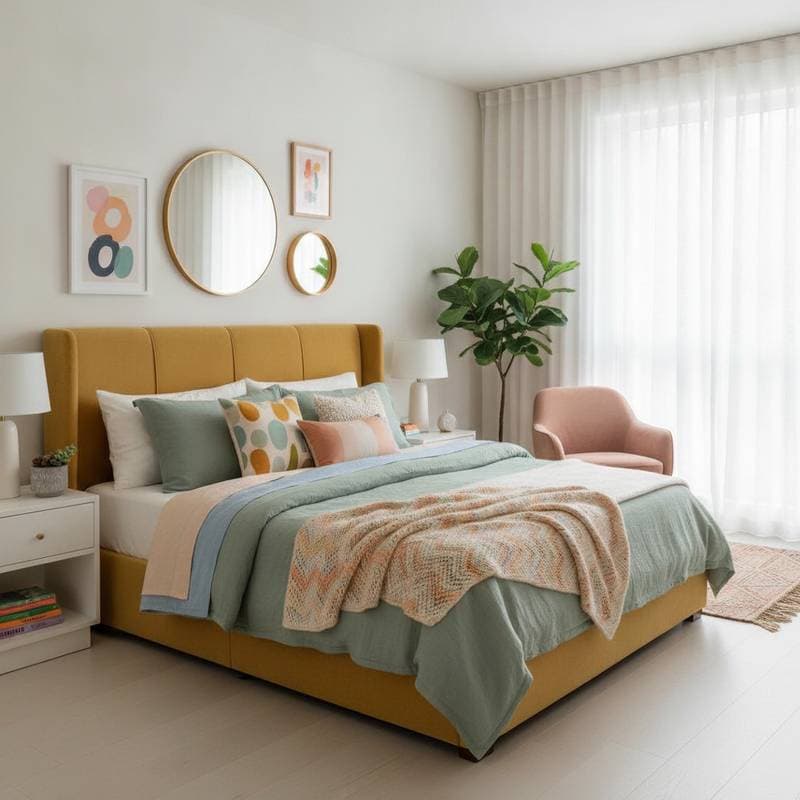
When this approach was first tried in a small London flat that felt dull after a grey winter, a coral throw and a piece of artwork from a trip to Marrakech were added. The change was striking. Mood lifted instantly, and children even started playing in the room more often. That is the magic of dopamine decor. It brings emotion back into design.
Interior designer Clara Jenkins of The Colour Studio said, When people use color intentionally, they start to feel more connected to their space. It becomes a reflection of joy rather than just function. Her advice is simple. Rather than following color trends, choose shades that feel alive to you.
The Psychology of Color and Comfort
Colors can influence how we feel, sleep, and even how we interact with others. In bedrooms, where rest and intimacy matter, the right palette can make a powerful difference.
- Warm tones like coral, soft peach, and buttery yellow boost energy and comfort.
- Cooler hues such as sky blue or lavender bring calmness and clarity.
- Earthy neutrals including terracotta and olive create grounded serenity.
- Bright pops from artwork, cushions, or lamps can add instant elevation without overwhelming the senses.
When living in the French countryside, gentle shades like faded sage and pale pink stood out against natural stone walls. The result felt restful yet alive. In New York, bold color blocking, graphic patterns, and vibrant accents mirrored the city rhythm. Both approaches work beautifully when matched to mood and lifestyle.
Layering Texture for Emotional Warmth
Color may set the tone, but texture builds the feeling. Dopamine decor thrives on tactile diversity, which stimulates sensory comfort. Think about mixing soft linens, velvety cushions, woven throws, and natural wood finishes.
Designer Alicia Moore of The Sensory Home explains, Texture is what connects color to emotion. A bright cushion feels more inviting when it is soft to the touch. A smooth wall color feels warmer when paired with a rougher textile nearby.
In a current home, crisp cotton bedding combines with a chunky wool blanket and a velvet headboard. The layering feels indulgent but still practical for family life. Children often climb into bed with their books, and the mix of textures makes the space feel forgiving, cozy, and lived in.
Personal Joy: The True Core of Dopamine Decor
The most important part of dopamine decor is authenticity. It is not about copying a color palette from social media. It is about asking what makes you smile. Maybe it is a framed photo from your last holiday, a floral pattern that reminds you of a grandmother home, or the scent of fresh citrus candles that evoke summer mornings. When you connect design choices to personal memories, your space becomes emotionally nourishing.
Clients are often told to start with one question. What colors or objects make you feel most like yourself? The answer often leads to surprisingly simple design shifts. A renter in London once shared how she missed the sea near her hometown. Shades of turquoise and sandy beige were added, along with a driftwood mirror. Her small bedroom instantly felt like a coastal retreat.
Small Steps for Big Mood Shifts
You do not need a full remodel to bring dopamine decor into your bedroom. A few focused changes can completely transform the atmosphere.
- Update Your Bedding. Bedding is the emotional core of the bedroom. Choose colors or patterns that feel comforting. Mix solids with subtle prints, and do not be afraid to layer different textures.
- Add a Joy Wall. Create a small gallery of images, postcards, or artwork that make you smile. This can include family photos, travel finds, or even children drawings.
- Rethink Lighting. Soft, layered lighting has a huge effect on mood. Combine a warm bedside lamp with a dimmable overhead light. Fairy lights or a statement pendant can add whimsy without clutter.
- Bring Nature Inside. Plants have a proven ability to improve mood. A single fern on a windowsill or a small vase of fresh flowers adds life and oxygen to the space.
- Use Scent as Design. Scent is often overlooked in bedroom design, but it is central to emotional well-being. Choose natural candles or diffusers with lavender, citrus, or cedar. The goal is to create a sensory cue that signals calm.
Balancing Boldness and Serenity
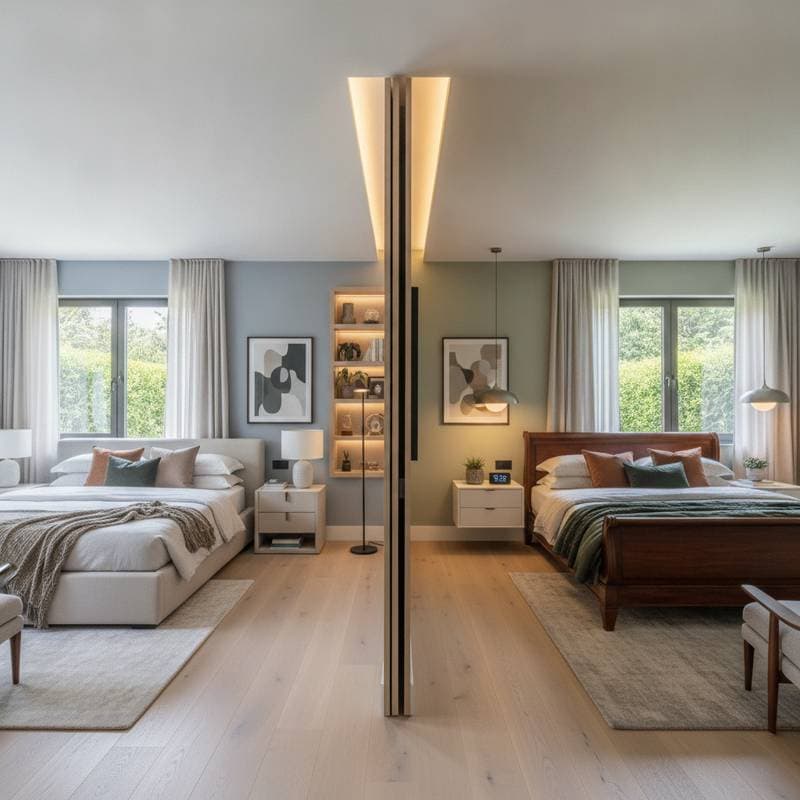
One misconception about dopamine decor is that it must be maximalist. In truth, it can be subtle. The key is emotional resonance, not visual chaos. If you prefer minimalism, choose a neutral base and add color through art, cushions, or accent furniture. If you thrive in maximal environments, layer patterns and tones freely, but balance them with grounding neutrals or consistent materials.
Interior stylist Robyn Taylor suggests, Think of dopamine decor as emotional layering. Too much energy without rest becomes tiring. The happiest rooms have a rhythm between stimulation and calm. In a London bedroom, a vivid blue throw pairs with white walls and muted timber furniture. It feels fresh in the morning light yet cozy at night. The balance keeps the energy right for both work and rest.
Global Inspiration for Mood-Boosting Bedrooms
Travel has taught that every culture has its own version of dopamine decor. In Morocco, saturated color meets geometric pattern. Bedrooms often feature vivid textiles balanced with whitewashed walls. In Scandinavia, happiness comes from light, texture, and natural materials. Even in minimalist spaces, there is always warmth from wool, wood, or soft edges. In the Mediterranean, terracotta, olive, and cobalt create sun-washed serenity. The palette feels both relaxed and energizing. In Japan, tranquility is achieved through simplicity, muted tones, and thoughtful placement. The happiness comes from order and calm.
Drawing from these global influences helps you understand that joy in design is universal. Whether your space is urban or rural, large or compact, the goal remains the same. Create emotional comfort.
Family-Friendly Dopamine Design
As a mother of two, bedrooms often double as reading nooks, homework spots, and occasional play zones. Dopamine decor must work for real life. Start by choosing washable fabrics and sturdy finishes. Use color strategically. Softer tones near the bed support calm. Brighter ones belong in corners where energy matters. Encourage children to have input in color choices. Their selections often reveal what truly feels joyful to them.
When living in the countryside, a daughter asked for sky colors in her room. One wall was painted soft blue and cloud-shaped cushions were added. It became her happy place, and bedtime battles nearly disappeared. That is the emotional effect of design that connects with feeling.
Budget-Friendly Ways to Create Joy
You do not need endless resources to design for happiness. Some of the most joyful rooms wererather than cost. Paint is the easiest dopamine tool. Even a single accent wall can transform a mood. Swap art seasonally. Rotate prints or photos to reflect the time of year or your emotional state. DIY decor brings satisfaction. A hand-painted vase or homemade wall hanging carries emotional value. Shop vintage. Pieces with history often evoke warmth and individuality.
The beauty of dopamine decor is that it celebrates imperfection. A mismatched pillow or slightly uneven gallery wall can still bring delight if it reflects your life.
Sustaining Emotional Comfort
A dopamine-decorated bedroom is never static. It evolves with moods, seasons, and personal growth. As life changes, the colors, textures, and accessories can shift too. This ongoing process keeps the space aligned with current needs and continues to deliver daily moments of uplift and rest.