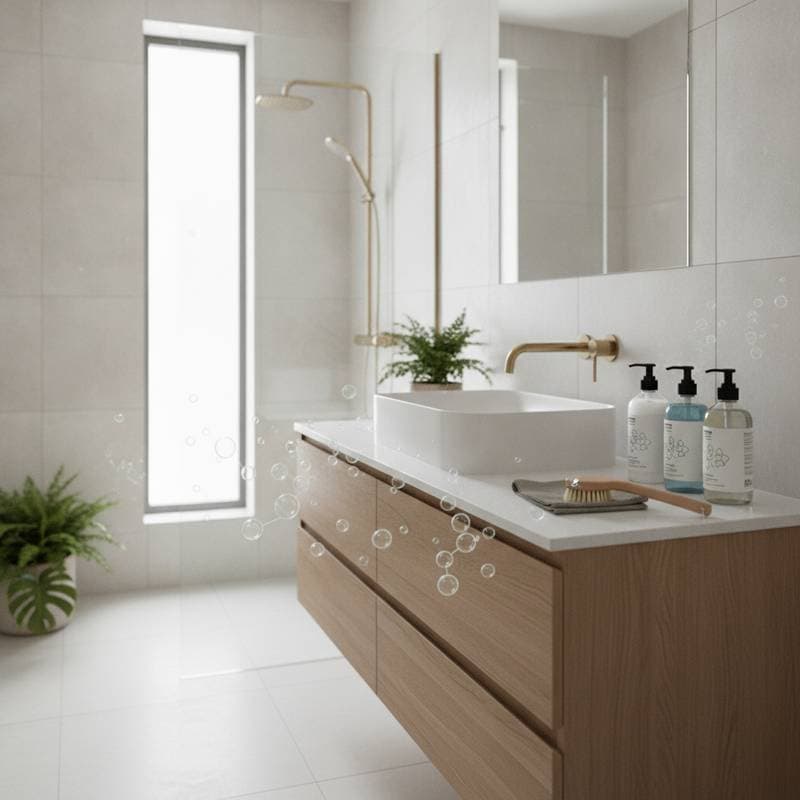
Why Enzyme Cleaners Excel at Bathroom Deep Cleaning
Key Takeaways
- Enzyme cleaners break down organic residue at a molecular level, leaving surfaces truly clean rather than just masked by scent.
- They are safer for families, pets, and the environment compared to harsh chemical cleaners.
- Ideal for tough bathroom grime such as soap scum, mildew, and body oils.
- Effective on multiple surfaces including tile, grout, toilets, and drains.
- Their natural composition allows for deep cleaning without damaging surfaces or releasing harmful fumes.
A Familiar Bathroom Battle
If you share a bathroom with kids or a busy partner, you probably know how quickly it goes from sparkling to chaotic. Between toothpaste splatters, shower residue, and the mysterious grime that gathers behind the taps, the bathroom often feels like an ongoing project. When we lived in our compact London flat, I used to dread the weekly cleaning routine.
Understanding How Enzyme Cleaners Work
Traditional cleaners often use bleach or ammonia to whiten and disinfect. They may make a surface look clean, but they do not always remove the underlying organic matter that causes odors and buildup. Enzyme cleaners, on the other hand, work biologically.
They contain natural proteins that break down organic substances such as oils, fats, and bacteria. Professional cleaner Sofia Martinez explains, "When enzymes come into contact with organic dirt, they essentially digest it. The residue is broken down into smaller particles that can be easily rinsed away."
This process is what makes enzyme cleaners so powerful in bathrooms. They do not just mask smells or smear residue around. They actually remove the source of the problem. For example, the enzymes that target proteins can eliminate bathroom mildew, while those designed for fats handle greasy soap scum or body oils.
Why Bathrooms Benefit Most
Bathrooms generate a particular kind of mess. The combination of moisture, warmth, and constant use creates ideal conditions for bacteria and mold. Enzyme cleaners thrive in this environment because they continue working even after application.
Unlike chemical sprays that stop cleaning once wiped away, enzymes remain active for hours, gradually breaking down organic material deep in grout lines or drain traps. When I first switched to enzyme products, I noticed that our shower drain stopped emitting that faint but persistent odor.
The cleaner had reached the biofilm that builds up inside pipes, something regular cleaners rarely touch. This slow, steady cleaning action means that over time, the bathroom stays fresher with less effort. Another benefit is surface safety.
Many bathroom materials like marble, ceramic, or stone can be sensitive to acidic or abrasive products. Enzyme cleaners are gentle but effective, making them suitable for delicate finishes.
Key Advantages for Family Homes
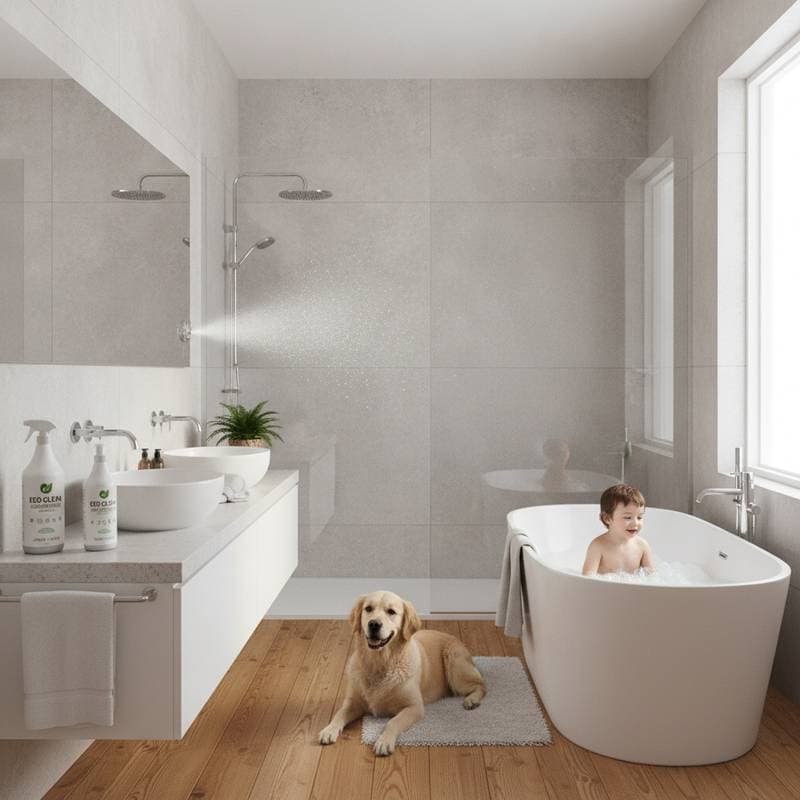
For families, safety is often the top concern. My two children have a habit of touching every surface, so reducing chemical exposure matters to me. Enzyme cleaners are non-toxic and biodegradable, which means they are safer for children and pets.
They also help parents avoid that eye-watering smell that lingers after using traditional disinfectants. Professional organizer and mother of three, Lila Green, often recommends enzyme cleaners to her clients. "Bathrooms are high-traffic zones for kids," she said. "Enzyme products are safer for small hands, and they still handle tough messes like toothpaste, hair product residue, and even pet accidents if the bathroom doubles as a grooming space."
Because these cleaners work naturally, they are also better for the environment. When rinsed down the drain, they do not release harsh pollutants into the water system. This makes them a sustainable choice for households trying to reduce their environmental footprint.
Practical Tips for Using Enzyme Cleaners
- Start with a clean slate. If your bathroom has been cleaned with bleach or ammonia-based products, rinse those surfaces thoroughly before applying enzyme cleaners. Residual chemicals can deactivate enzymes.
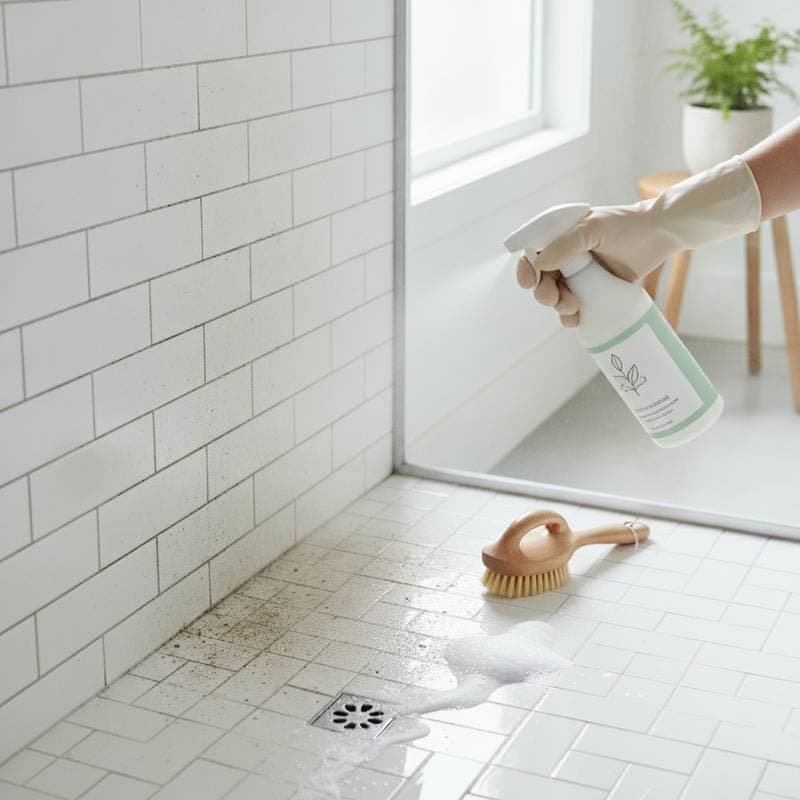
- Give it time. Enzymes need contact time to work effectively. Spray the cleaner, let it sit for several minutes, then wipe or rinse.
- Focus on problem areas. Apply directly to grout lines, drains, or around taps where buildup collects.
- Use regularly. A consistent routine helps prevent buildup from returning. Many people find that weekly enzyme cleaning keeps bathrooms noticeably fresher.
- Store properly. Enzyme cleaners are living solutions. Keep them sealed and away from direct sunlight to maintain their effectiveness.
I usually spray my shower walls after everyone has finished their morning routine. By evening, the cleaner has already done most of the work. A quick rinse leaves the tiles spotless without scrubbing.
Comparing Costs and Results
At first glance, enzyme cleaners can seem more expensive than traditional products. Yet the long-term results often justify the price. Because they keep working after application, you use less product over time.
They also reduce the need for specialized cleaners for different surfaces. One good enzyme cleaner can handle toilets, tiles, sinks, and drains. Cleaning consultant Daniel Cho points out that "many people underestimate how much time and product they waste re-cleaning areas that were never truly clean in the first place. Enzymes save both time and effort."
From my experience, the savings show up in fewer hours spent scrubbing and fewer bottles cluttering the cleaning cupboard. Plus, the absence of harsh fumes makes cleaning less unpleasant, which is its own reward.
Global Inspiration and Everyday Application
One thing I appreciate about enzyme cleaning is its universality. During my travels through Asia, I noticed similar natural cleaning traditions, often using fermented fruit peels or rice water mixtures. In rural France, locals have long used vinegar and natural soaps for similar reasons.
These methods all share a respect for both the home and the environment. Bringing that philosophy into modern living spaces connects us to a simpler, more sustainable mindset. Whether you live in a countryside cottage or a city apartment, enzyme cleaning fits easily into your routine.
It bridges traditional wisdom with modern convenience, creating a cleaner home without compromise.
Adopting Enzyme Cleaners for Lasting Results
Transitioning to enzyme-based cleaning does not need to be complicated. Start with one product, such as a multi-surface bathroom cleaner, and test it on your most problematic area. Notice how it performs over a few weeks.
You may find that your bathroom stays fresh longer and requires less deep cleaning. For families, this approach offers a meaningful balance between health, efficiency, and sustainability. The bathroom becomes easier to maintain, smells fresher, and feels genuinely clean.