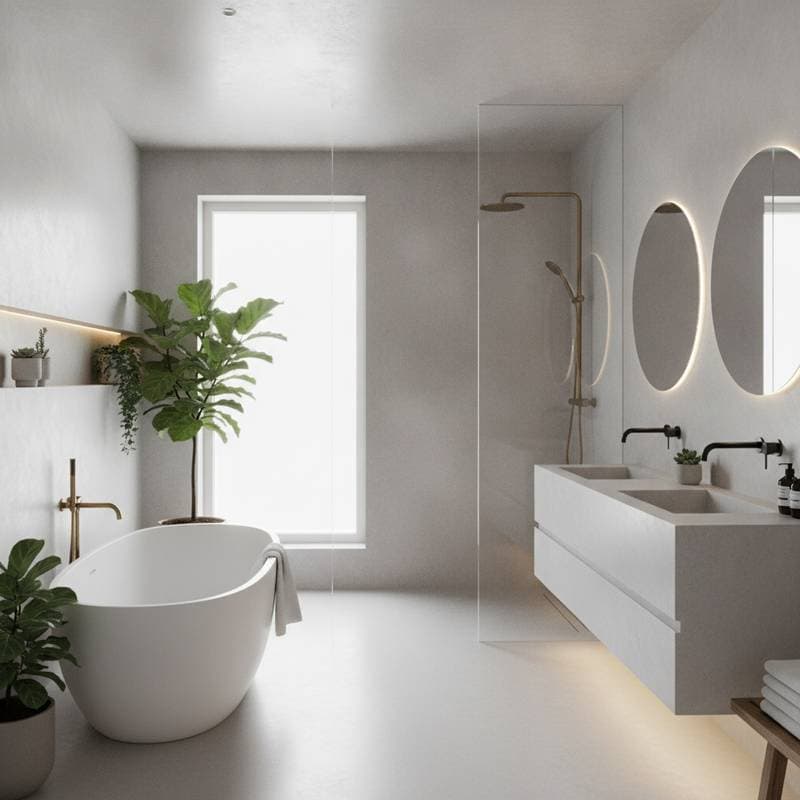
Microcement Bathrooms Deliver a Seamless Concrete Look
A bathroom that feels calm, cohesive, and quietly luxurious is easier to achieve than many think. Microcement is a versatile coating that delivers a smooth, concrete-like finish. It is quickly becoming the go-to material for those wanting that modern, spa-worthy space without the heaviness or cost of poured concrete. It is durable, waterproof, and surprisingly adaptable to different styles.
This guide breaks down what microcement is, why it is gaining popularity, and how to use it effectively in your bathroom. You will find expert insights, practical installation advice, and design inspiration to help you decide if this seamless finish is right for your space.
Why the Seamless Look Works So Well in Bathrooms
Bathrooms are naturally filled with visual clutter. Fixtures, mirrors, and storage all compete for attention. A seamless finish helps quiet the space. Without grout lines or harsh transitions, your eye moves more fluidly. This creates a sense of order and calm.
Choosing the Right Surfaces for Microcement
Microcement works beautifully on most bathroom surfaces. Some areas benefit more than others.
Walls
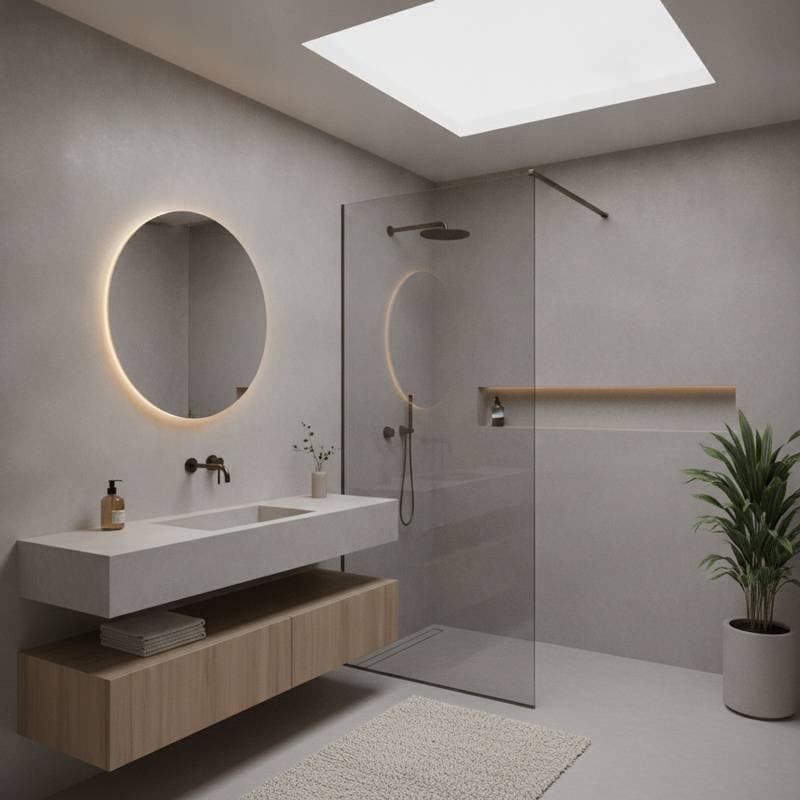
Using microcement on walls instantly updates the look of a bathroom. It works especially well in shower areas where tile grout maintenance can be frustrating. A continuous wall surface keeps moisture out while adding texture and warmth.
Floors
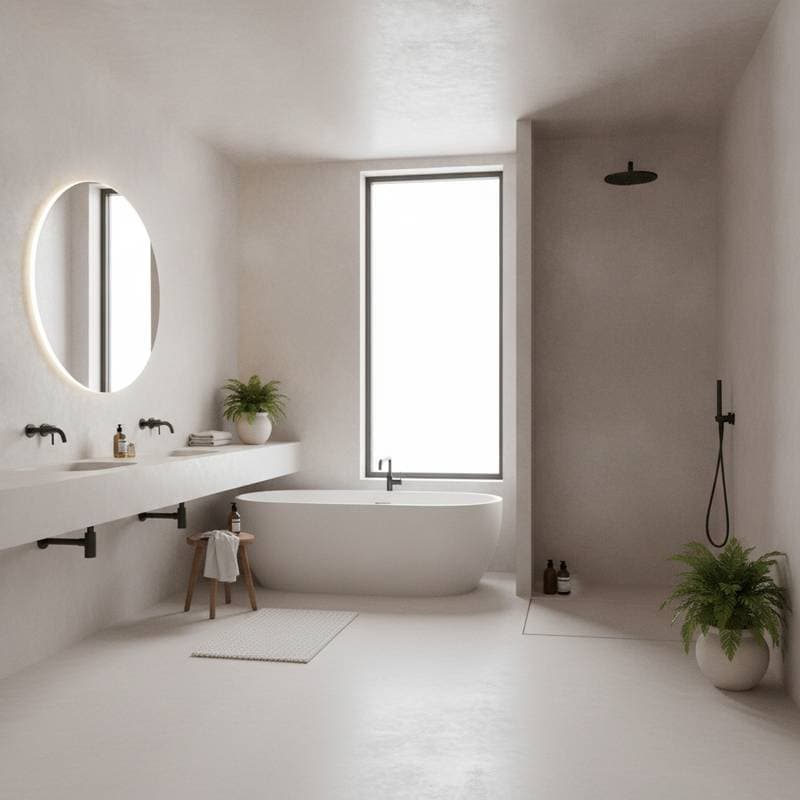
Microcement floors feel soft underfoot, almost velvety, yet they remain durable. Because the finish is seamless, it is easy to mop and maintain. For safety, choose a non-slip sealer if you are applying it in a wet zone.
Countertops and Vanities
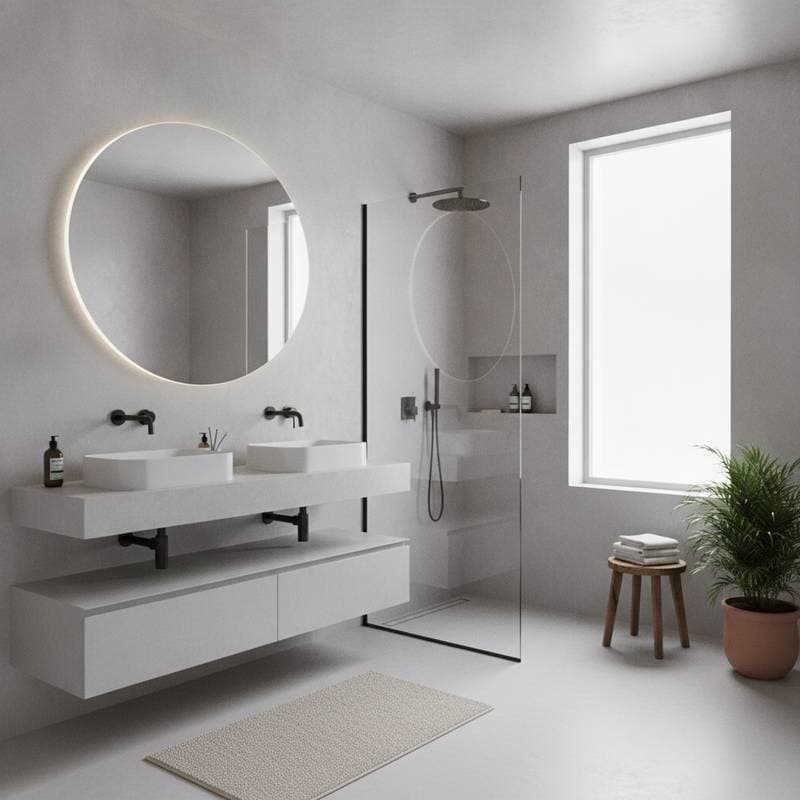
Microcement can be troweled directly onto existing countertops or custom-built vanities. Pair it with integrated sinks or thin-edge basins for a sleek, modern look.
Built-In Niches and Benches
For a fully cohesive design, extend microcement into shower niches or seating areas. The result feels architectural, as if everything was carved from one continuous piece.
Design Ideas to Inspire You
The versatility of microcement means you can adapt it to nearly any design style. Here are a few ways to make it your own.
Warm and Minimalist
Opt for a soft, beige-toned microcement paired with oak shelving and linen-textured towels. The combination feels calm and natural. It is perfect for a restorative atmosphere.
Industrial Edge
Choose a medium-gray tone with visible trowel marks for character. Add black fixtures, concrete planters, and simple glass partitions to complete the look.
Scandinavian Calm
Mix pale gray walls with white oak cabinetry and brushed brass accents. The smooth finish complements the clean lines often found in Nordic-inspired spaces.
Soft Contrast
If you prefer color variation, go for a two-tone application. For example, use lighter microcement on walls and a slightly darker shade on the floor for subtle definition.
Maintenance and Care Tips
Microcement is durable, but a few habits will help keep it looking its best.
- Avoid harsh cleaners. Stick with pH-neutral products that will not damage the sealant.
- Dry after use. Wipe down shower walls or floors to prevent water spots.
- Reseal when needed. Depending on wear, resealing every few years helps maintain waterproofing and sheen.
- Protect from scratches. Use felt pads under furniture or accessories placed on microcement surfaces.
Designer Carla Jensen adds, "The key is gentle care. Microcement does not need heavy scrubbing or chemicals. Treat it like a polished surface, and it will stay beautiful for years."
Cost and Installation Considerations
Microcement pricing varies based on the area covered and complexity of the project. While it can be more expensive than standard tiles per square foot, overall installation costs are often lower because you can apply it directly over existing finishes. That means less demolition and less debris.
Professional installation is usually recommended for bathrooms, especially wet rooms, due to the precision needed for waterproofing. Most projects can be completed within a few days once preparation is done.
If you are renovating on a budget, consider using microcement as an accent. Perhaps apply it on the shower walls or vanity top while keeping other areas tiled. This approach still gives you that seamless aesthetic without overspending.
Living with Your Design
Once installed, microcement transforms the daily experience of your bathroom. The tactile surface feels grounded underfoot. The seamless finish makes cleaning simpler and faster. Over time, you will notice how the subtle color shifts and light reflections change throughout the day. This gives your bathroom a soft, dynamic quality.
For renters or homeowners considering resale, microcement also adds a timeless appeal. It is modern but not trendy. It is neutral but never boring.
Planning Your Project
A microcement bathroom does not require a full gut renovation. You can start small. Perhaps add a feature wall behind your vanity or a microcement-clad shower bench.
If you love the idea of a seamless, concrete-inspired aesthetic but worry about upkeep or cost, microcement offers an ideal middle ground. It delivers the texture and tone of real concrete without the structural challenges.
Every home benefits from one surface that grounds it. For many, that surface is microcement. Whether you are designing from scratch or refreshing an existing bathroom, this material promises a look that is both practical and deeply satisfying.