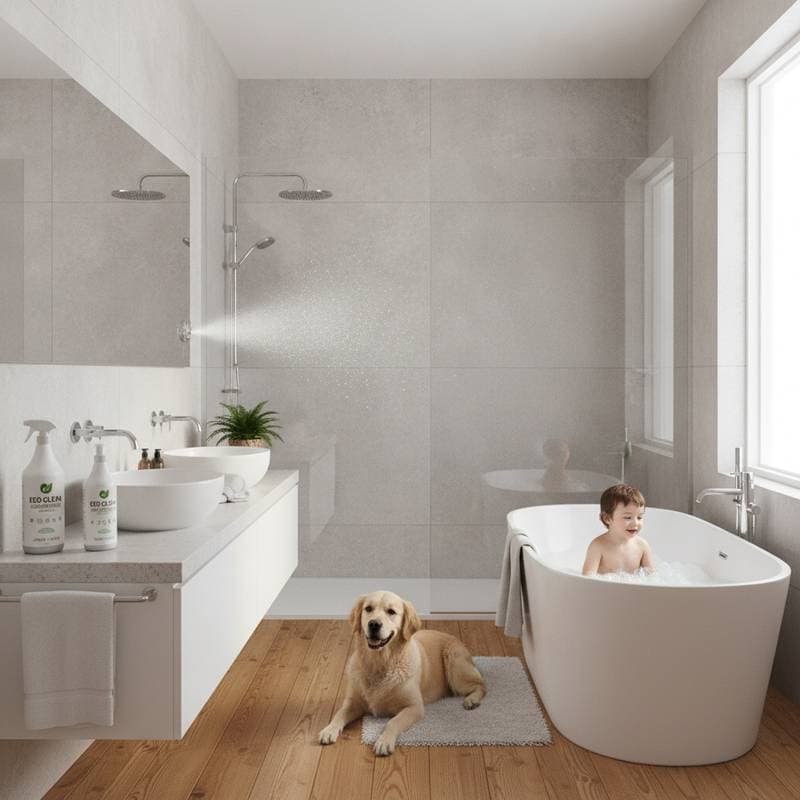
Why Microcement Bathrooms Avoid Demolition
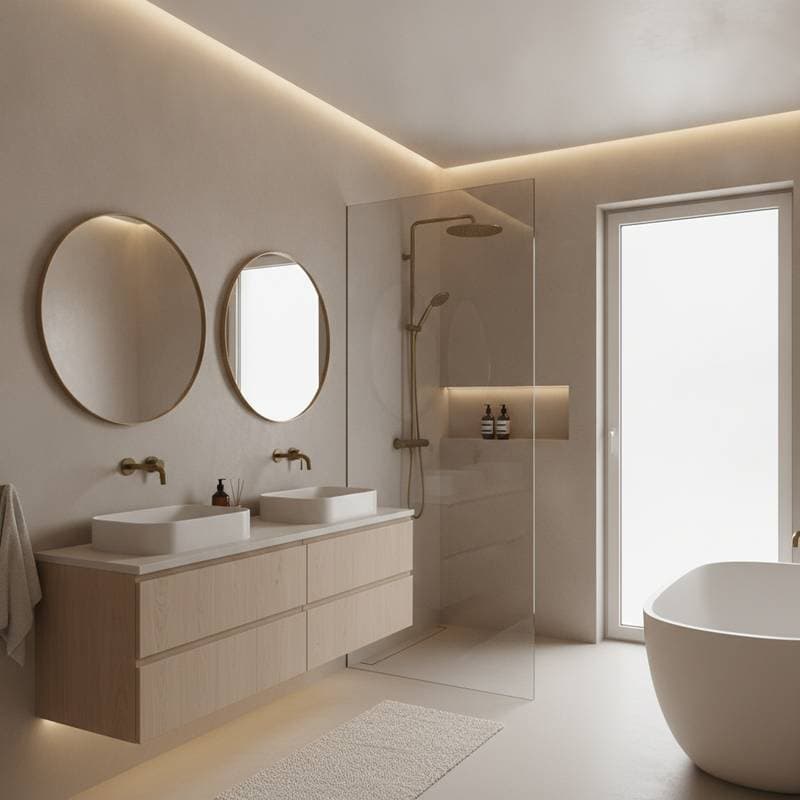
Microcement bathrooms deliver a seamless, modern finish without the disruption of removing existing surfaces. This approach reduces waste, shortens project timelines, and lowers overall expense while producing a durable, spa-like result.
Core Advantages
- Budget control comes from applying a thin coating over tile or concrete rather than full replacement.
- Safety improves when waterproof membranes receive proper attention during preparation.
- Skill requirements range from intermediate for small accents to advanced for complete rooms.
- Final surfaces resist moisture, simplify cleaning, and maintain a consistent appearance for years.
Material Basics
Microcement consists of cement, polymers, and fine aggregates spread in layers as thin as two millimeters. It adheres directly to stable substrates such as tile, plaster, or drywall. The cured finish mimics polished concrete or stone yet adds minimal weight and thickness.
Project Parameters
Working time spans two to four days for a typical medium bathroom, with total project duration of five to seven days. Estimated cost ranges from twenty to forty dollars per square foot when materials and labor are combined.
Decision Framework for Installation
Small projects suit experienced do-it-yourselfers. These include vanity tops, accent walls, or backsplashes where mistakes remain easy to correct.
Full bathroom applications benefit from professional installation. Shower enclosures, floors, and large continuous surfaces require precise waterproofing and joint treatment that affect longevity.
Required Materials and Tools
Materials include base and finish coats, adhesion primer, liquid waterproof membrane, optional pigments, and a matte or satin sealer.
Tools comprise steel and rubber trowels, a mixing drill with paddle, sanding blocks, clean buckets, and protective equipment such as gloves, goggles, and a respirator.
Installation Sequence
Surface Preparation
Clean and degrease the existing surface thoroughly. Repair cracks and level grout lines with compound to prevent visible telegraphing. Apply a compatible primer once the surface is stable and dry.
Waterproofing Application
Roll or brush a liquid waterproof membrane across floors, shower walls, and tub surrounds. Allow complete curing before microcement application begins.
Base Coat Application
Mix microcement to manufacturer specifications. Spread the first thin coat with a steel trowel, then sand lightly after drying. Apply a second coat to achieve uniform coverage and desired texture.
Finish Coat Application
Add one or two finish coats to establish final color depth and surface character. Sand between coats with fine grit to remove imperfections while preserving an even plane.
Final Sealing
Apply two coats of sealer with a roller or sprayer. Permit full curing for at least forty-eight hours before resuming bathroom use.
Common Issues and Corrections
Cracking usually results from thick coats or unstable substrates. Maintain thin, consistent layers and verify substrate stability first.
Bubbling signals trapped moisture. Extend drying intervals between coats and confirm each layer is fully cured.
Uneven color arises from inconsistent mixing or trowel pressure. Prepare enough material for each section and maintain steady technique.
Maintenance Practices
Clean surfaces with mild soap and water. Reapply a maintenance sealer every two to three years to preserve moisture resistance. Light sanding followed by resealing addresses minor scratches.
Design Flexibility
Microcement accepts pigments that replicate stone, concrete, or metal appearances. Neutral tones keep the finish timeless and allow future accessory changes without surface replacement.
Focal applications on shower walls or vanity surrounds achieve a high-end effect at reduced cost compared with full-room coverage.