Why Enzyme Cleaners Excel at Bathroom Grime Removal
Bathrooms endure constant use. Soap scum forms on tiles. Hard water stains appear around faucets. Buildup collects behind toilets. Traditional cleaners often rely on harsh chemicals that produce strong odors and demand vigorous scrubbing. Enzyme cleaners offer a different approach that targets grime at its source.
These products apply natural biological processes to dissolve organic residue. The method proves powerful while remaining safe for most surfaces. The following sections explain the mechanisms and provide guidance for effective application.
What Makes Enzyme Cleaners Different
Enzyme cleaners contain proteins that accelerate the breakdown of organic matter. Body oils, soap residue, mildew, and bacterial odors fall within their reach. They operate through biological chemistry instead of bleach or ammonia.
The Science Behind the Clean
Specific enzymes address particular types of residue. Protease enzymes break down proteins. Lipase enzymes manage fats and oils. Amylase enzymes process starches. Together they handle common bathroom deposits including toothpaste and mildew.
The enzymes bind to residue and fragment it into smaller water-soluble pieces that rinse away. The process remains non-corrosive. Diluted formulas protect tile, grout, glass, and natural stone from etching or dulling.
Where Enzyme Cleaners Shine Most
Bathrooms combine moisture, heat, and organic debris. Enzyme formulas perform well under these conditions. They deliver results in several key areas.
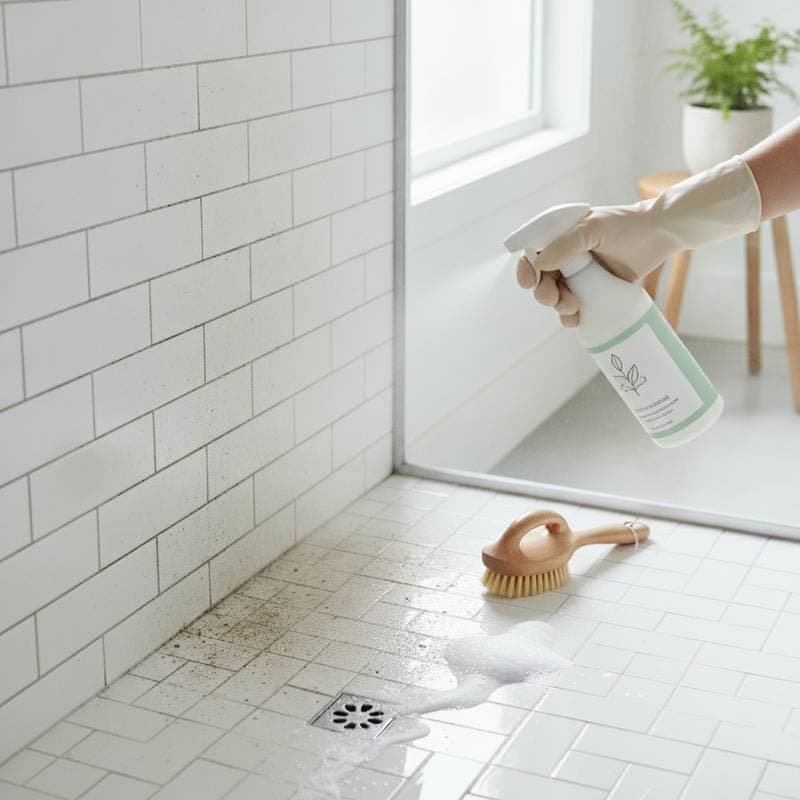
- Shower tiles and grout: The enzymes dissolve fatty acids that bind soap scum.
- Toilet bowls: They reduce organic waste and odor-causing bacteria without strong fumes.
- Drains: Application breaks down buildup that slows drainage.
- Sinks and faucets: Residue from toothpaste and lotion lifts without scratching metal.
Designer Lila Roan of ClearNest Studio observes that clients notice easier maintenance after switching. Grime adheres less readily to treated surfaces.
Using Enzyme Cleaners the Right Way
Success requires adequate contact time. Spray the product generously on the target area. Allow five to ten minutes for action before wiping or rinsing. Repeat the application on stubborn buildup rather than increasing scrubbing force.
Review the label for surface compatibility. Certain formulas suit specific materials. Test an inconspicuous spot when uncertainty exists.
Why They Are a Smart Choice for Homes
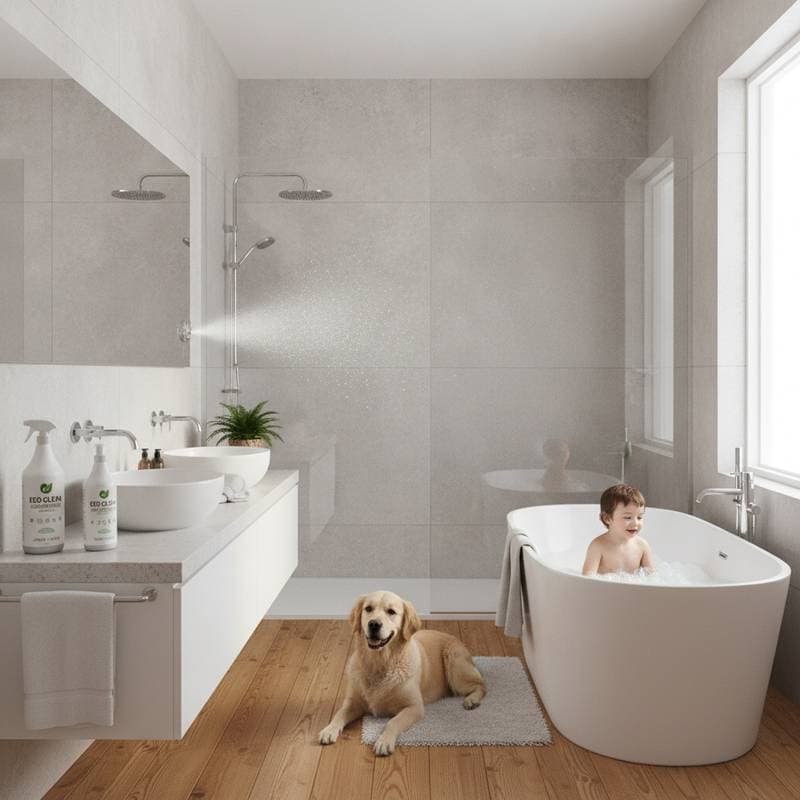
Enzyme cleaners typically exclude chlorine, synthetic fragrances, and harsh solvents. This composition increases safety around children, pets, and individuals sensitive to chemical odors. The active components degrade naturally in wastewater systems.
Users focused on green cleaning integrate these products into regular routines. Results match professional standards without the drawbacks of stronger alternatives. Continued action after application extends intervals between deep cleaning sessions.
Maintaining a Cleaner Bathroom
Consistent use leads to slower grime accumulation. Surfaces retain freshness with reduced effort. Begin with one zone such as the shower or sink. Observe changes over several weeks.
Effective cleaning products simplify household care. Enzyme cleaners combine targeted action with straightforward application to support this goal.