Why Ultrasonic Cleaners Are Revolutionizing Bathrooms
Key Takeaways
- Ultrasonic cleaners use sound waves to remove dirt, soap scum, and bacteria without harsh scrubbing.
- They save time, reduce chemical use, and extend the life of bathroom fixtures.
- Compact models suit family homes, city apartments, and student dorms.
- The technology draws from professional systems used across Europe and Asia.
- Regular use helps maintain a fresher, healthier bathroom environment.
The Challenge of Constant Maintenance
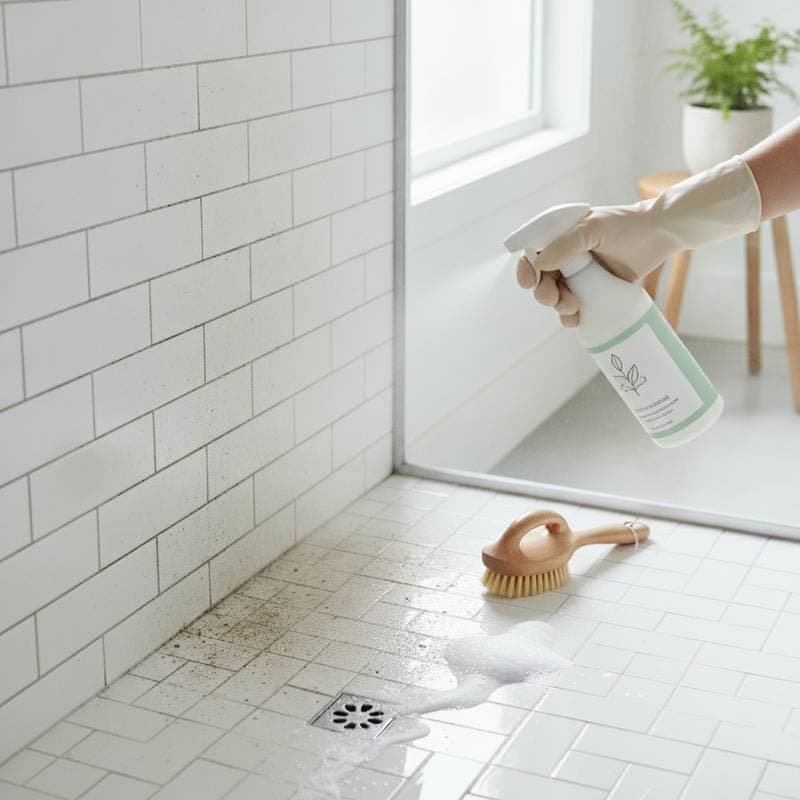
Bathroom cleaning often competes with work, family schedules, and daily messes. Strong sprays and extended scrubbing sessions have long been the standard approach. Exposure to an ultrasonic cleaner in a boutique hotel setting revealed a more efficient alternative that reduces both effort and chemical reliance.
How Ultrasonic Cleaning Works
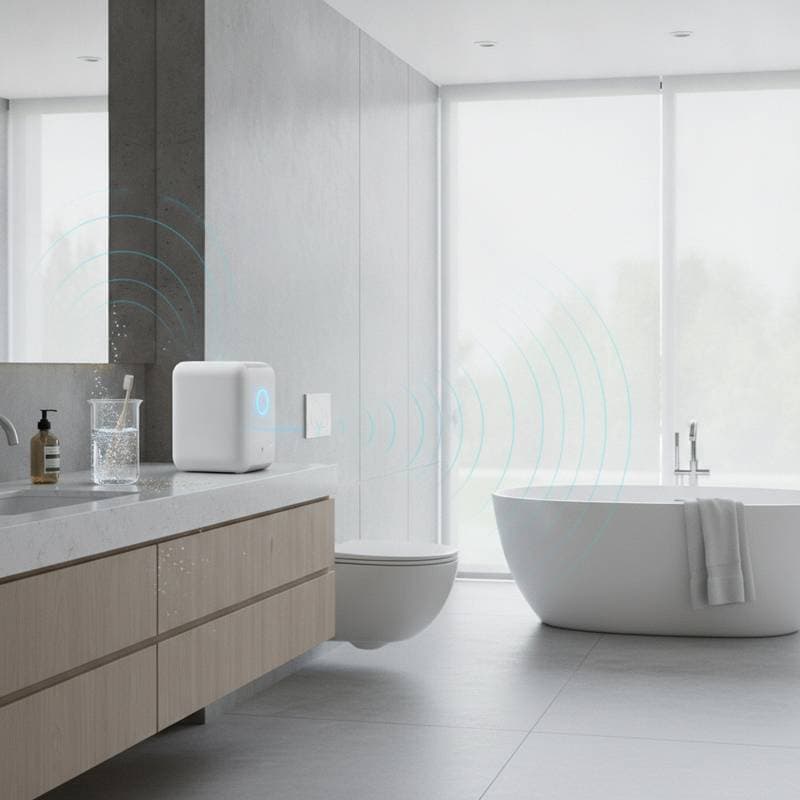
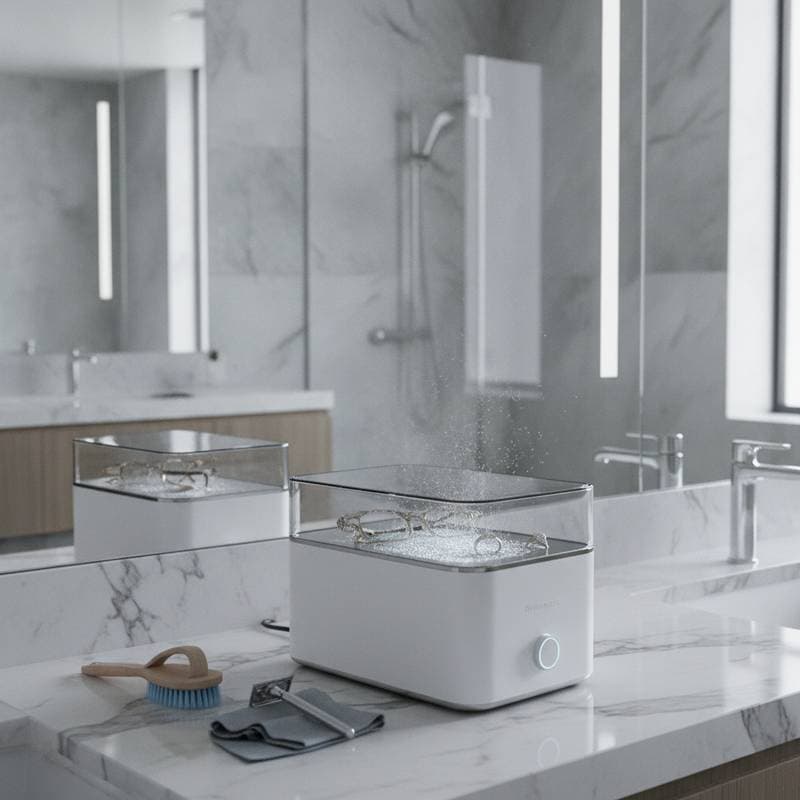
The process relies on high-frequency sound waves passed through water. These waves generate microscopic bubbles that collapse quickly and dislodge grime from surfaces through cavitation. The action reaches crevices that manual brushes miss.
Fixtures, toothbrush heads, razors, and shower filters respond well to this treatment. A short cycle in a compact unit restores cleanliness without abrasion or lingering odors.
Advantages for Bathroom Surfaces
Bathrooms accumulate hidden deposits that resist ordinary wiping. Ultrasonic units address these layers on multiple item types.
- Small accessories such as tweezers and razor blades receive thorough cleaning that limits bacterial growth.
- Chrome and metal finishes regain shine while avoiding scratches from abrasive tools.
- Retainers and facial brushes lose residue that rinsing alone leaves behind.
- Plain water or mild solutions replace strong chemical sprays, lowering exposure risks in shared spaces.
Adapting to Different Living Situations
Space constraints, water hardness, and fixture age create varied cleaning demands. Countertop models fit small urban bathrooms, while larger tanks accommodate multiple items in family homes. Portable units serve well during travel or in dorm settings.
One device can replace several bottles and brushes, reducing storage needs and supporting simpler routines.
Steps to Add Ultrasonic Cleaning to Daily Use
- Select a model sized for household needs and equipped with adjustable cycle options.
- Begin with water and add a small amount of mild detergent only when required for heavier buildup.
- Run brief cycles several times each week rather than one extended session.
- Include hairbrushes, nail tools, and small tiles on a rotating schedule.
- Continue surface wipe-downs to complement the detail work performed by the unit.
Perspectives from Design and Sustainability Experts
Professionals note that ultrasonic cleaning aligns with other home technologies that emphasize efficiency. It reduces chemical use in compact rooms where ventilation matters. The approach also supports longer fixture life by avoiding repeated abrasive contact.
International Practices That Inform Home Application
Similar equipment appears in routine care for eyeglasses in Japan and in minimalist Scandinavian households. Hotels in France apply the same principle to preserve luxury surfaces. These established uses demonstrate reliable performance that transfers directly to residential bathrooms.
Benefits for Households with Children
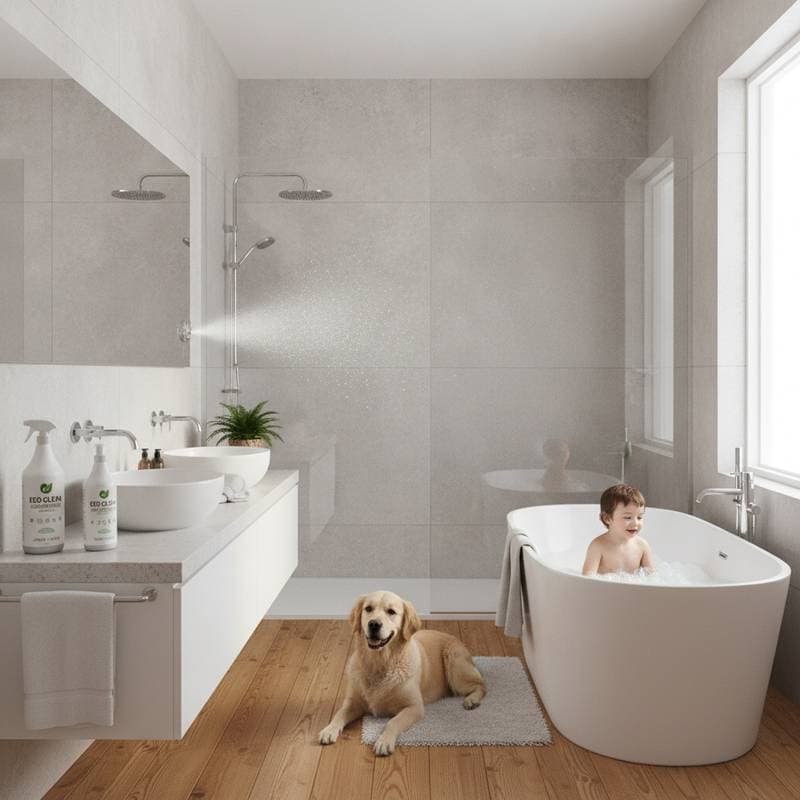
Parents gain time because children can place items in the unit themselves. The quiet operation and safety features suit evening or morning routines. Families with infants can clean pacifiers and bottle parts without chemical sterilizers.
Sustaining Results Over Time
Consistent use preserves finishes for renters concerned with deposits and for owners focused on long-term value. It also decreases plastic bottle waste. A compact unit placed on the counter becomes a standard part of weekly maintenance.
Getting Started with the Right Equipment
Begin with a basic countertop model and test it on frequently used items. Over successive weeks the process integrates into existing habits and delivers visible improvements without additional labor.