Japandi Bathrooms Fuse Zen Design With Minimalist Style
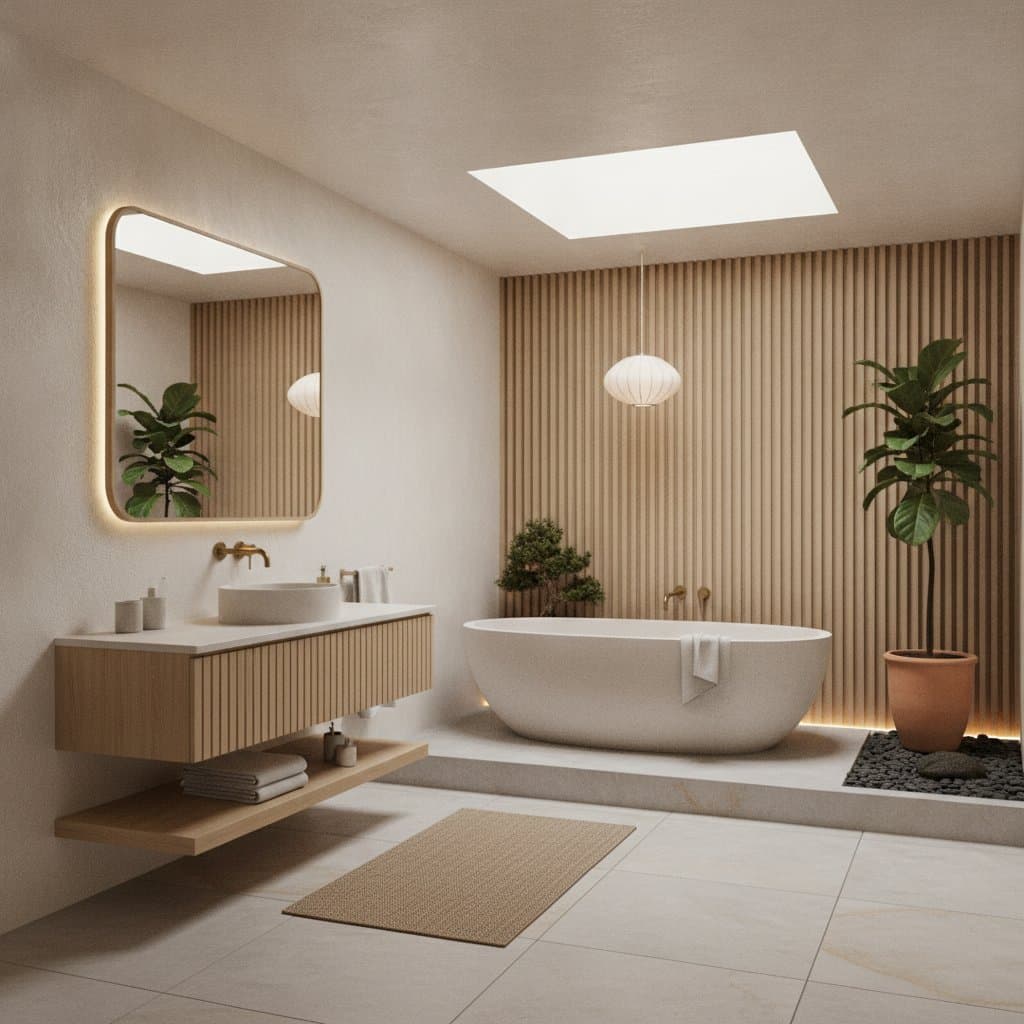
Many homeowners avoid bathroom remodels because they assume calm requires luxury materials or professional designers. Peaceful results come instead from deliberate choices. Japandi style merges Japanese serenity with Scandinavian simplicity. It prioritizes honesty, order, and comfort.
A balanced bathroom often follows Japandi principles. The approach creates spaces that feel grounded and functional rather than perfect.
Core Principles Behind Japandi Design
Japandi merges two traditions. Japanese design values wabi-sabi, or beauty found in natural aging and imperfection. Scandinavian design centers on hygge, or comfort in simple routines. The combination yields rooms that remain minimal yet warm.
Bathroom applications focus on clean lines, muted colors, and natural materials. Each element serves a purpose. The outcome supports calm efficiency without austerity.
Evaluate Layout Before Starting
Required Tools, Materials, and Preparation
Basic carpentry and tiling skills suffice for modest projects. Installers should handle floating shelves, tile cutting, and clean grout application.
Tools include:
- Wet tile saw
- Level and square
- Margin trowel and grout float
- Drill and driver set
- Stud finder and measuring tape
- Paint rollers and brushes
Materials include:
- Large-format porcelain or stone tiles
- Natural wood such as oak or bamboo
- Matte black or brushed nickel fixtures
- Soft white or gray paint with warm undertones
- Cotton or linen textiles
Step-by-Step Construction Process
- Remove unused items first. Built-in storage and floating vanities maintain clear surfaces.
- Apply earth tones including soft whites, taupe, and stone gray. Matte finishes soften the atmosphere.
- Introduce wood elements such as a teak bench or oak mirror frame. Proper sealing protects against moisture while preserving visible grain.
- Select minimalist fixtures with rounded edges. Wall-mounted sinks and simple faucets suit the aesthetic.
- Layer lighting through sconces, recessed fixtures, and warm vanity lights. Add texture with woven baskets and soft rugs.
- Place one low-maintenance plant such as a snake plant to introduce life without clutter.
Avoid Frequent Errors
Limit material variety to prevent visual conflict. Repeating tones and textures maintains consistency. Replace single bright overhead lights with dimmable warm sources. Ensure grout lines remain even and narrow for a precise appearance.
Situations Requiring Professional Help
Licensed contractors should handle plumbing relocation, electrical updates, or structural modifications. Professional waterproofing protects showers and radiant floors while meeting code requirements.
Practical Tips for Lasting Results
Test material samples together before purchase. Choose slim, easy-clean hardware. Recess storage niches to preserve open floor space. Include a subtle diffuser for scent to complete the sensory experience.
Ongoing Care for the Finished Space
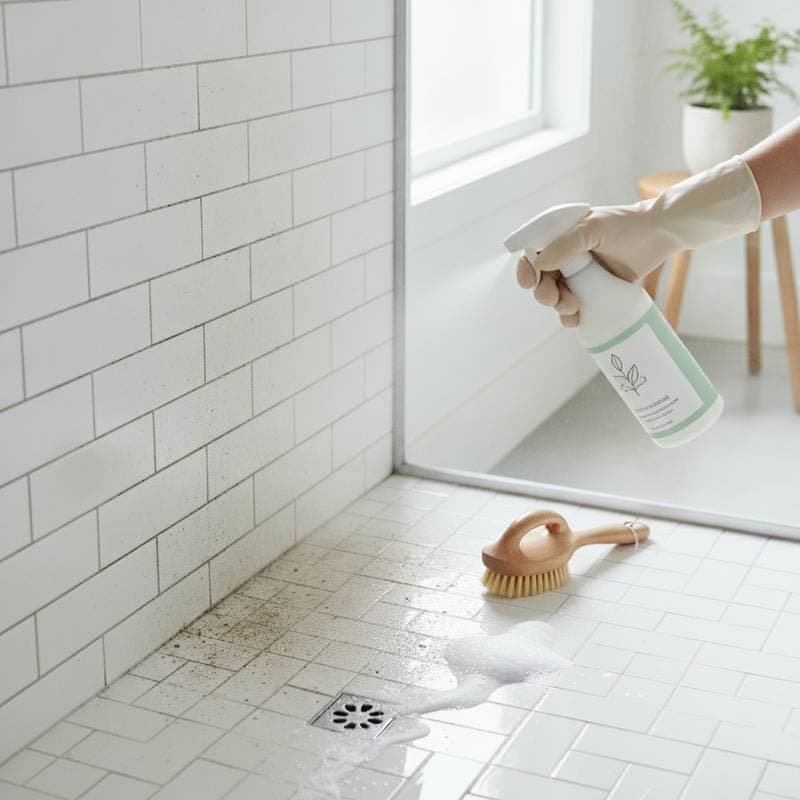
Wipe wood surfaces with a damp cloth. Avoid harsh cleaners on natural materials. Reseal grout periodically. The design rewards consistent attention with enduring calm.