Sensory Design Trends for a More Mindful Bedroom
Many bedrooms fail as restful spaces because they serve too many functions. The room becomes an office, laundry station, television lounge, and storage closet, then sleep becomes difficult.
A mindful bedroom does not require expensive furniture or a dramatic makeover. It requires deliberate choices that calm your senses instead of competing for attention. After more than two decades renovating bedrooms, bathrooms, and whole homes, I have learned that comfort comes from controlling the details people often overlook.
Start With What Your Body Notices
Before buying anything, stand in the bedroom and pay attention. Is traffic noise entering through the window? Does a ceiling fixture feel harsh? Are you stepping onto a cold floor each morning? These annoyances may seem minor, but repeated sensory interruptions keep the nervous system alert.
- Sound: traffic, appliances, televisions, or hollow doors
- Light: glare, exposed bulbs, digital displays, or weak blackout coverage
- Touch: scratchy bedding, slippery flooring, or uncomfortable upholstery
- Scent and air: stale air, heavy fragrance, dust, or excessive dryness
Fixing the largest irritation first produces better results than copying a decorative trend.
Layer Lighting Instead of Relying on One Fixture
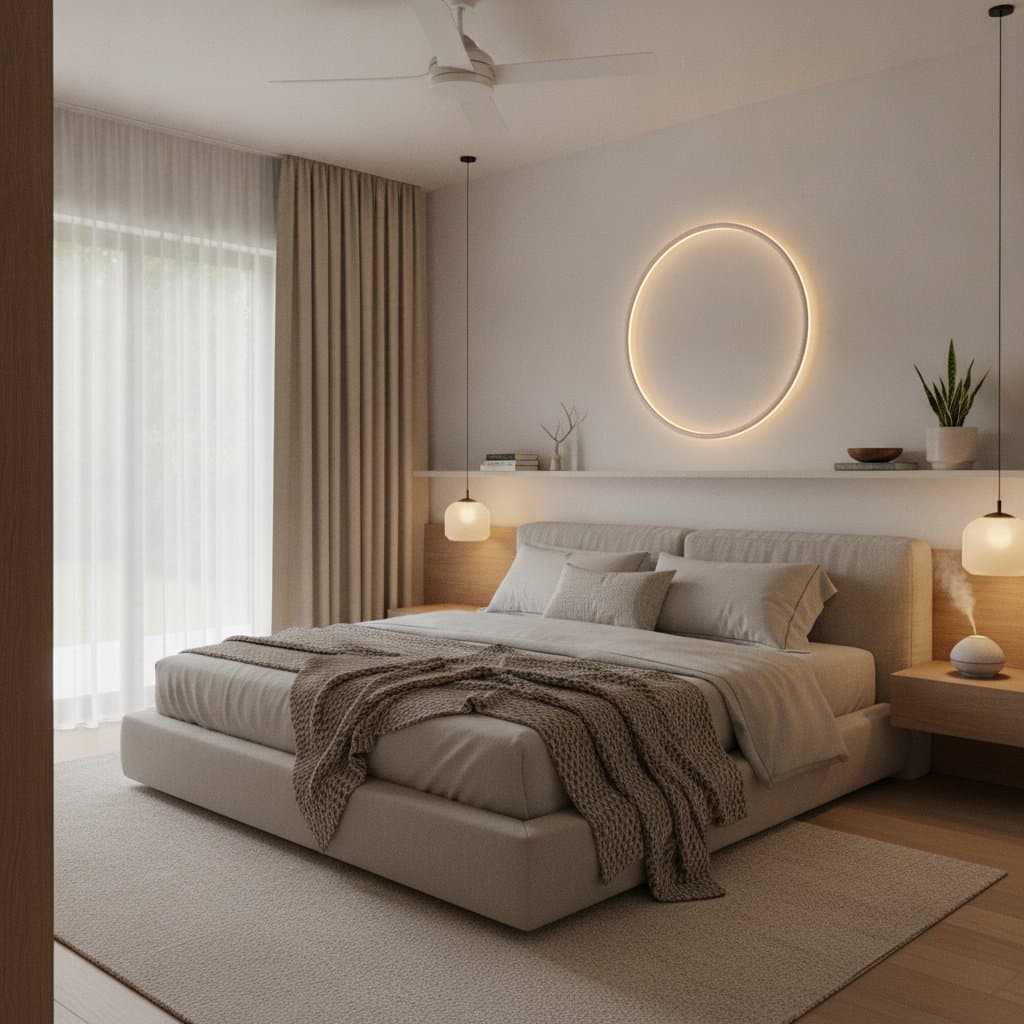
A single bright ceiling light makes a bedroom feel functional, not restful. Use three layers: general lighting, reading light, and low accent lighting. Dimmable wall sconces beside the bed are practical because they eliminate tangled cords and keep light focused where you need it.
Choose warm white bulbs, generally around 2700K, and use shades that hide the bare bulb. Avoid exposed cool white lamps in the evening. They can make the room feel more like a workplace.
A dimmer installation is manageable for an experienced DIYer, but electrical boxes, older wiring, and unfamiliar circuits deserve professional attention. Turn off the breaker and verify the circuit is dead before touching wiring. When there is any doubt, call an electrician.
Make Texture Do Useful Work
Sensory design is not an excuse to fill the room with cushions. Every texture should serve comfort or function. A washable wool or cotton rug softens footsteps. Linen or cotton bedding allows better airflow than many synthetic blends. A padded headboard reduces the hard, echoing quality walls and wood furniture.
Do not assume the softest fabric is the best choice. Deep pile rugs trap dust, and heavily textured bedding can irritate sensitive skin. Sample materials in the actual room, under both daylight and lamplight, before committing.
Control Sound and Air Quality
Professionals often improve a bedroom acoustically without expensive construction. Thick curtains, a filled bookcase, upholstered furniture, and a properly fitted door sweep all reduce sound transmission. Do not hang heavy items from a wall unless you locate studs or install the correct anchors.
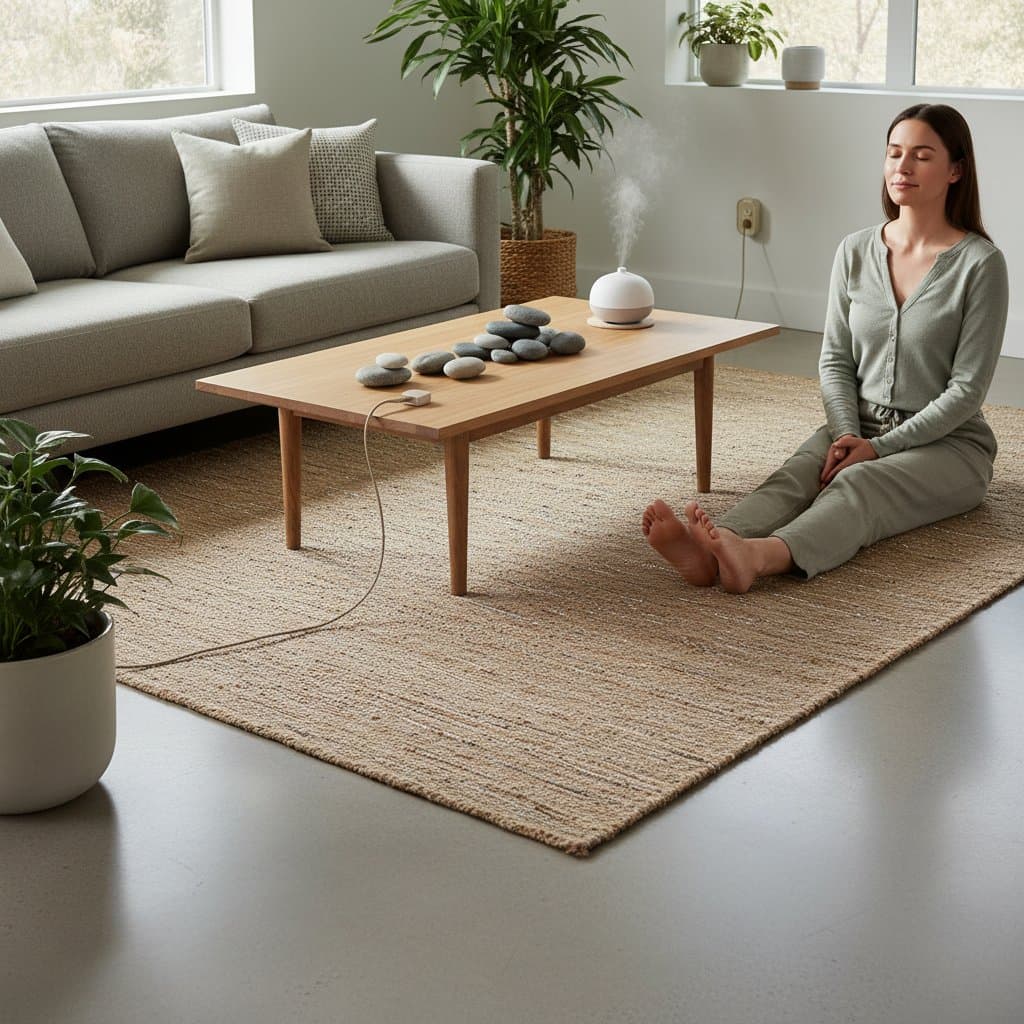
Ventilation matters just as much. Clean return air grilles, replace the filter in the heating and cooling system, and inspect for moisture around windows. Skip strong fragrance diffusers if they cause headaches or breathing irritation. A clean room with neutral air is usually more restorative than an artificially scented one.
Choose Calm, Not Perfect
Color trends change, but visual noise remains a problem in every style. Use a restrained palette, conceal charging cables, and leave clear space around the bed. Closed storage helps, although overcrowded cabinets simply hide the problem.
Start with one weekend project: improve the lighting, remove unnecessary electronics, or replace uncomfortable bedding. Live with that change before adding more. A mindful bedroom is built through observation and correction, not a shopping spree. When the room supports quiet, comfortable sleep, the design has done its job.
Address Common Bedroom Obstacles
Many people struggle with the same recurring issues when creating a restful bedroom environment. Understanding these common challenges helps you identify solutions more quickly.
Traffic noise often ranks as the top complaint in urban bedrooms. Heavy curtains with thermal backing reduce sound transmission while also improving temperature control. Adding a white noise machine or small fan creates consistent background sound that masks intermittent disturbances from outside.
Digital devices create multiple problems in bedrooms. The blue light from screens interferes with melatonin production, while charging cables create visual clutter. Establish a charging station outside the bedroom and use an old-fashioned alarm clock instead of your phone.
Temperature regulation affects sleep quality more than most people realize. The ideal bedroom temperature falls between 60 and 67 degrees Fahrenheit. Programmable thermostats and ceiling fans help maintain consistent temperatures throughout the night without the noise of portable units.
Build Your Sleep Sanctuary Gradually
Creating a mindful bedroom happens through consistent small improvements rather than major renovations. Focus on one area at a time to avoid feeling overwhelmed by the process.
Begin with your bed itself. Replace old mattresses showing signs of wear, and choose sheets with appropriate thread count for your climate. Cotton percale works well in warm weather, while flannel provides warmth during colder months.
Next, evaluate your window treatments. Blackout curtains or shades should eliminate most external light sources. Consider adding sheer curtains underneath for daytime privacy while maintaining natural light when desired.
Finally, assess your storage solutions. Nightstands should hold only essential items like a lamp, book, and water glass. Dressers and closets need regular purging to prevent accumulation of unused items that contribute to visual stress.
Maintain Your Restful Environment
Once you establish a mindful bedroom, regular maintenance keeps the space functioning effectively. Dust accumulates on surfaces and in air filters, reducing air quality over time. Schedule monthly cleaning sessions that include washing bedding, vacuuming rugs, and wiping down surfaces.
Rotate and flip mattresses according to manufacturer recommendations to extend their lifespan and maintain comfort. Replace pillows every one to two years, as they accumulate dust mites and lose their supportive qualities.
Review your bedroom setup seasonally. Summer may require lighter bedding and increased ventilation, while winter might benefit from additional layering and humidification. Adjust your environment to match changing needs throughout the year.
Create Lasting Sleep Improvements
The changes you make to your bedroom environment produce benefits that extend beyond nighttime hours. Better sleep quality improves daytime focus, mood stability, and overall health outcomes.
Track your sleep patterns for several weeks after implementing changes. Note improvements in how quickly you fall asleep, how often you wake during the night, and how refreshed you feel upon waking. These observations help you identify which modifications provide the greatest benefit.
Share successful strategies with household members so everyone can enjoy improved sleep quality. Children and partners often benefit from the same environmental adjustments that help adults rest more effectively.