Why Most DIY Cold Plunge Installations Fail
Homeowners increasingly seek the invigorating benefits of cold plunge tubs, which enhance recovery and wellness routines. These fixtures demand precise integration into bathroom spaces, yet many DIY attempts falter due to overlooked technical complexities. Common failures stem from inadequate preparation in areas such as structural support, plumbing efficiency, and moisture management, leading to costly repairs or abandoned projects.
Temperature consistency proves challenging without proper electrical setups that meet stringent bathroom codes. Space constraints further complicate matters, as standard bathrooms lack the additional floor area required for a secondary tub. Retrofitting demands advanced skills, while new builds allow for seamless incorporation from the outset.
Essential Preparation: Tools, Materials, and Initial Checks
Required Tools
- Adjustable wrench
- Pipe cutter
- Level
- Stud finder
- Cordless drill
- Silicone caulking gun
- Utility knife
- Tape measure
Necessary Materials
- Cold plunge tub or basin compatible with a chiller
- PVC or PEX piping
- Drain assembly kit
- Water supply lines
- Waterproof sealant
- Non-slip floor mats or tiles
- Insulation panels for wall protection
Key Preparation Steps
- Evaluate the floor structure. A filled tub may weigh several hundred pounds, so confirm that subfloor and joists can bear the load. Reinforce as necessary.
- Map out plumbing routes. Secure both supply and drain connections, insulating cold water lines to mitigate condensation.
- Review electrical requirements. For chiller-equipped tubs, engage a licensed electrician to install a dedicated GFCI outlet.
- Address ventilation needs. The interaction of cold water and ambient warmth generates humidity, necessitating a robust exhaust fan to curb mold.
Detailed Installation Steps
Follow these steps to integrate a cold plunge tub effectively, minimizing risks associated with DIY errors.
Step 1: Layout and Framing
Outline the tub's position, ensuring ample clearance for plumbing access and routine maintenance. Construct any platform or enclosure using pressure-treated lumber to withstand moisture exposure. Verify a perfectly level surface prior to proceeding.
Step 2: Plumbing Configuration
Install fresh water supply lines with PEX or copper piping as needed, incorporating a shutoff valve for straightforward servicing. Secure the drain assembly with an appropriate slope for full drainage. For tubs emptied often, position a nearby floor drain to manage overflow during cleaning.
Step 3: Electrical Setup
Chillers and circulation pumps require professional wiring to adhere to safety standards. Avoid personal attempts at electrical integration in bathrooms. A qualified electrician ensures proper grounding and compliance.
Step 4: Safeguarding Against Moisture
Install waterproof backer board and seal joints with silicone caulk. Add a vapor barrier where absent. Surround the plunge area with non-slip porcelain or ceramic tiles, sealing grout to resist water penetration.
Step 5: Positioning the Tub
Place the tub and confirm level alignment. Attach water supply and drain lines per manufacturer guidelines, employing flexible connectors to accommodate minor shifts and reduce strain on components.
Step 6: Testing and Refinement
Conduct a comprehensive test before enclosing areas. Fill the tub, inspect for leaks, and observe drainage performance. Monitor for condensation on adjacent surfaces and resolve any problems promptly.
Pitfalls to Avoid in DIY Installations
Many failures arise from preventable oversights. Understanding these helps ensure a durable setup.
- Neglecting condensation control. Cold surfaces draw moisture from the air, risking paint damage, mildew, and corrosion without adequate ventilation. Select an exhaust fan suited to the room's dimensions.
- Inadequate drainage planning. Linking to existing drains without verifying slope or capacity results in backups. Confirm plumbing accommodates the required flow.
- Overlooking weight demands. Full tubs rival hot tubs in heft; upper-floor installations require structural engineer approval.
- Omitting pipe insulation. Exposed cold lines condense and erode surrounding materials. Encase them in foam sleeves.
- Disregarding safe access. Extreme tub heights demand grab bars or steps with textured surfaces to prevent falls.
Indicators for Professional Involvement
Certain elements exceed typical DIY capabilities and warrant expert assistance.
Seek professionals when:
- Modifying joists or structural elements.
- Handling chiller or heater wiring.
- Altering primary plumbing lines.
- Designing waterproofing or drainage slopes.
Experts also facilitate enhancements like automated controls, filtration, or lighting, averting long-term expenses.
Integrating Design Elements
Balance functionality with aesthetics to create an inviting space.
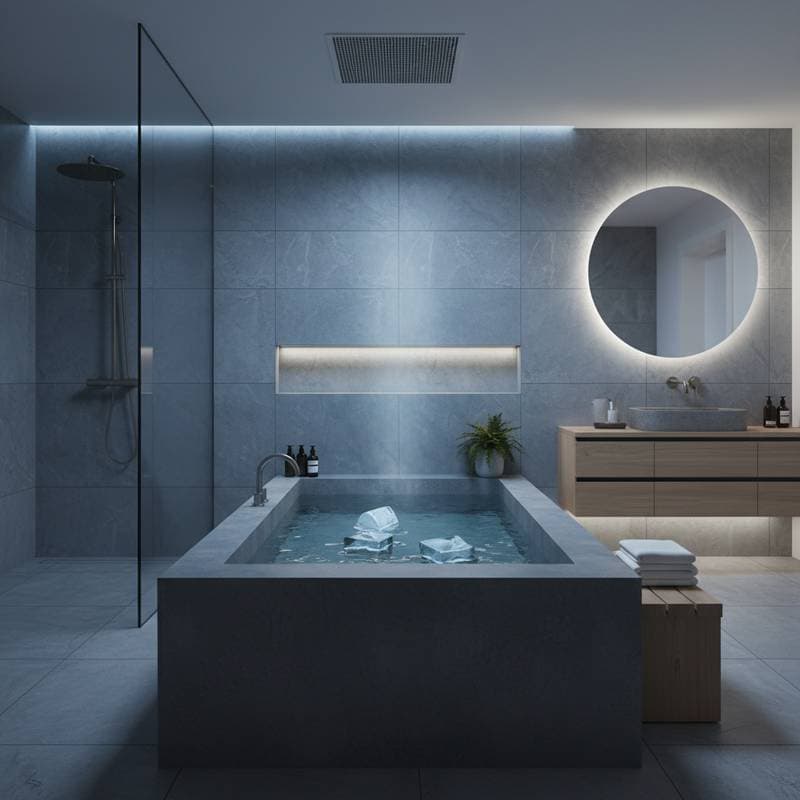
Select moisture-resistant finishes such as porcelain tiles, natural stone, or sealed concrete. Avoid vulnerable wood or unpainted drywall near the tub.
Opt for LED lighting in damp-rated fixtures, with dimming options for varied moods.
Employ cool hues like grays, blues, or whites, accented by warm wood or textiles for harmony.
Position the plunge near a shower to streamline hot-cold transitions without excess moisture spread.
Realistic Costs and Upkeep
Basic tubs cost comparably to standard fixtures, though modifications elevate expenses to mid-level bathroom budgets.
Maintain diligently:
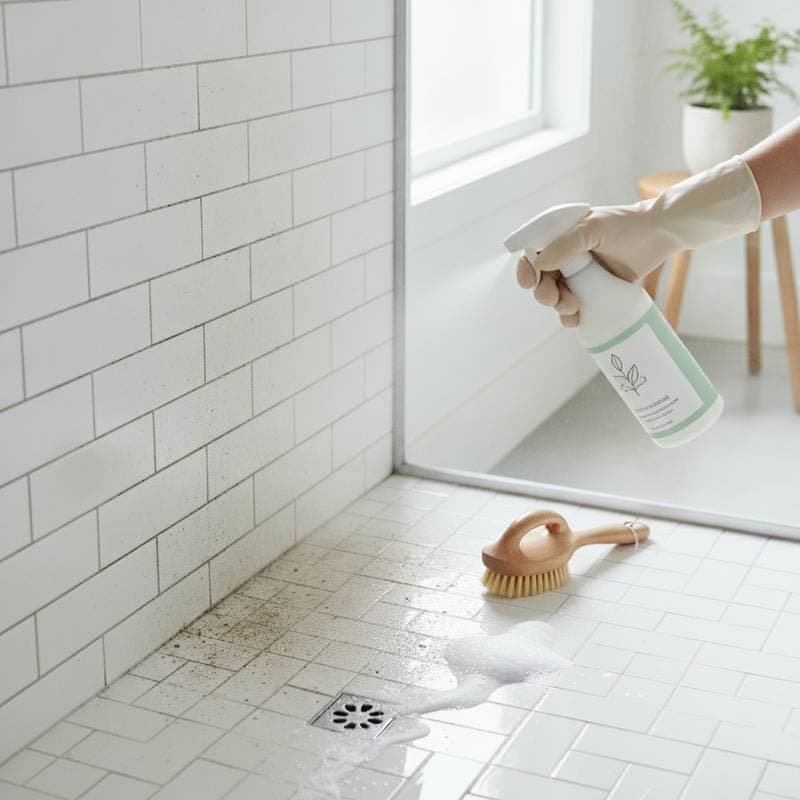
- Drain and sanitize weekly.
- Inspect seals and caulk periodically.
- Clean chiller components for deposits.
- Regulate humidity via fans or dehumidifiers.
Ice-based systems require reliable sourcing; nearby compact freezers simplify this.
Strategies for Optimal Results
Begin with a portable unit to assess suitability before permanent commitment.
Design for versatility, enabling hot-cold use with insulation and detachable chillers.
Incorporate recovery aids like towel warmers or storage.
Prioritize smooth interiors for easy cleaning, shunning dirt-trapping textures.
Emphasize safety with mats and bars, given cold-induced muscle responses.
Sustaining Long-Term Performance
Regular care preserves the tub's role in daily wellness.
Annually reseal grout and inspect pipe insulation.
Follow manufacturer schedules for filter and component replacements.
Supplement ventilation with a dehumidifier if airflow proves insufficient.
Cold plunges signal a broader home wellness evolution, akin to saunas or steam units. Proper installation and upkeep enhance both utility and property value.
Advancing Your Wellness Space
Assess space, finances, and skills before proceeding. Engage experts for critical tasks.
The outcome extends beyond design: a dedicated recovery area that bolsters health and vitality. From post-exercise relief to energizing starts, consistent use delivers enduring returns.
These installations elevate bathrooms, infusing spa-level recovery into routines and fostering deeper wellness connections at home.