AI Decluttering Apps Changing How We Organize Homes
Opening a closet can bring immediate overwhelm. Many people face this daily struggle with belongings that no longer serve clear purposes. The core issue often stems from decision fatigue rather than insufficient storage solutions.
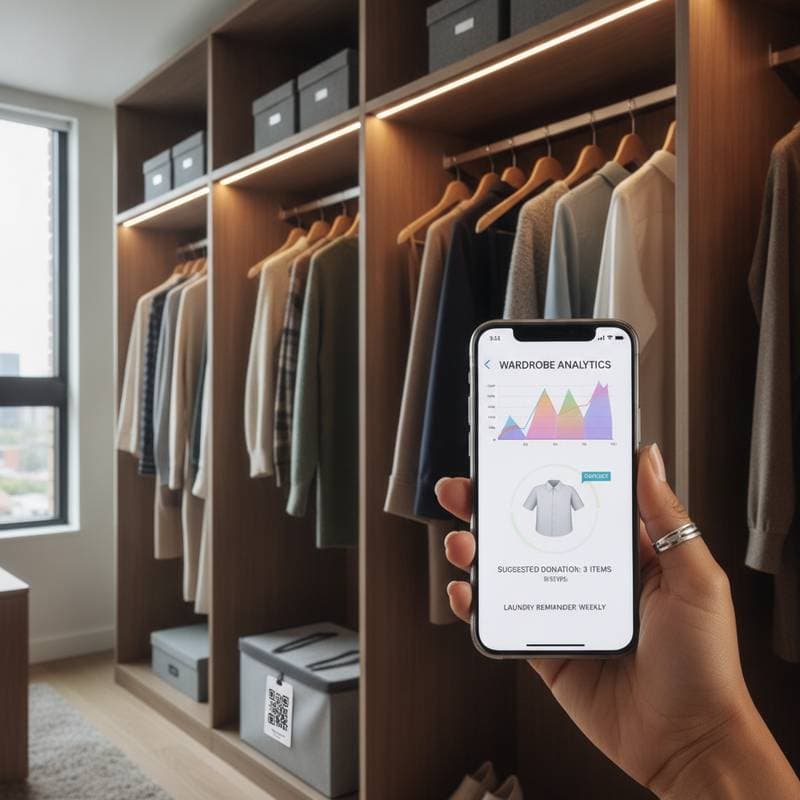
AI decluttering apps now address this challenge directly. These tools analyze personal habits through photos and usage data. They deliver tailored recommendations that reduce mental effort over time.
Why Most People Struggle to Stay Organized
Clutter builds when systems fail to match actual daily routines. Generic advice from magazines or videos often ignores individual schedules and family needs. People focus on visual appeal instead of practical function, which leads to quick relapse into disorder.
AI tools counter this pattern by studying real behavior patterns. They suggest adjustments based on frequency of item use. This approach creates systems that hold up under normal living conditions.
How AI Decluttering Apps Actually Work
What You Need to Get Started
Prepare a smartphone with a capable camera for clear item photos. Secure a reliable internet connection to support data syncing and inventory storage. Allocate several hours for the first upload session.
Commit to honest assessments of actual usage habits. The technology organizes information effectively but requires user input on sentimental items.
Step-by-Step: Using AI for a Smarter Decluttering Process
- Select one category such as clothing or kitchen tools and upload images.
- Allow the app to group similar objects and highlight duplicates.
- Examine recommendations for donation, sale, or relocation.
- Complete agreed actions before advancing to the next category.
- Schedule recurring maintenance alerts through the app.
- Activate any resale tracking or donation connection features.
Initial setup requires effort, yet subsequent updates take far less time.
Where AI Decluttering Tools Shine
These apps provide objective feedback without emotional bias. They note excess duplicates clearly and suggest storage locations based on usage frequency. Users gain a searchable record that prevents duplicate purchases.
Predictive features calculate potential space savings from better container choices. This data supports informed decisions about physical adjustments.
Where They Still Fall Short
Image recognition can misclassify worn or uncommon objects. Privacy policies deserve close review because home photos contain sensitive information. Sentimental value remains a human decision that algorithms cannot resolve.
Professional vs DIY Organization
Professional organizers supply direct emotional guidance during major transitions. AI apps excel at routine tracking after initial sorting is complete. Many households combine both resources for sustained results.
Pro Tips for Success
Maintain broad categories to avoid unnecessary complexity. Check inventory accuracy every few months. Follow usage data when deciding what to retain. Align physical bins and labels with app categories. Grant household members shared access to encourage collective upkeep.
Applying These Tools Daily
AI decluttering apps function best as consistent partners rather than one-time solutions. They reveal overlooked patterns and reinforce positive habits through regular prompts. Households that integrate them into weekly routines report steadier progress toward manageable spaces.