Key Points
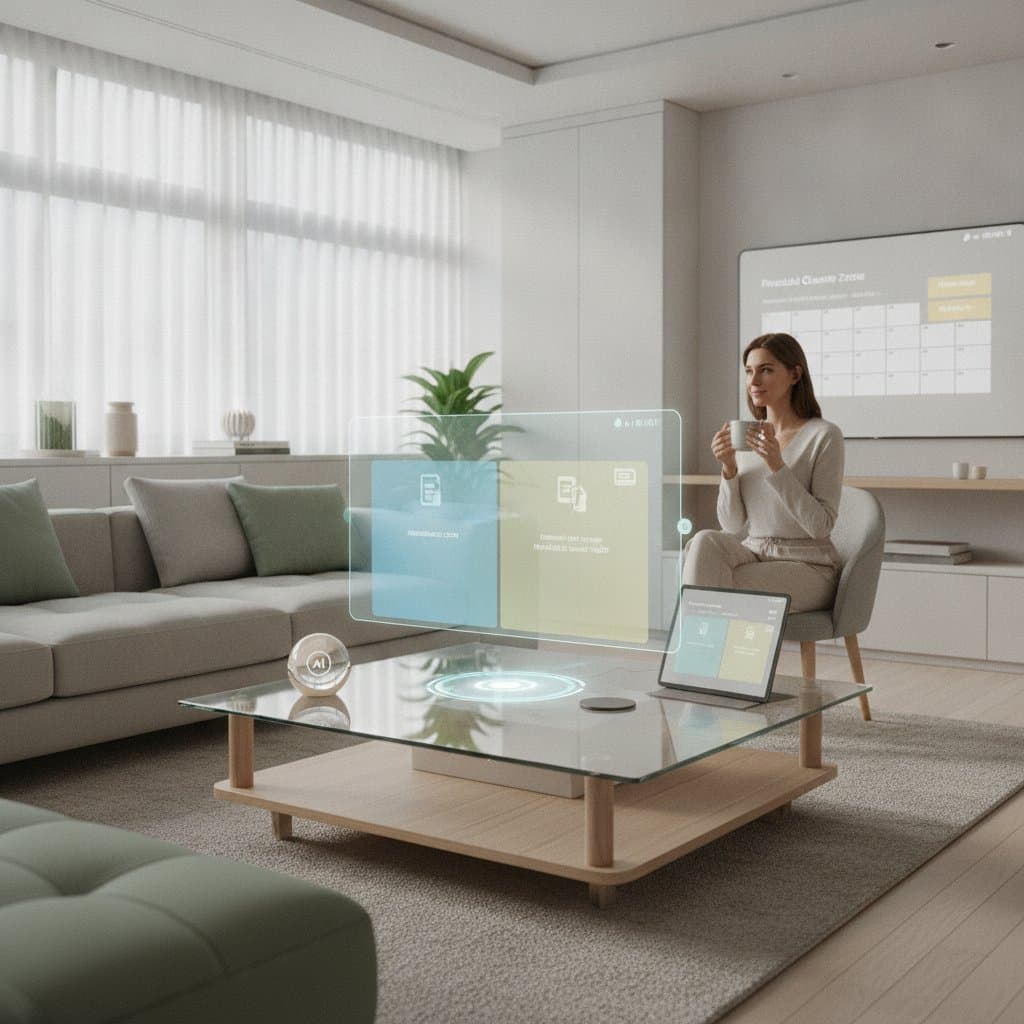
- AI decluttering apps merge digital intelligence with physical home organization to create personalized systems that learn from user habits.
- These tools integrate with smart home devices to adjust storage recommendations and cleaning reminders automatically.
- The latest generation of apps uses predictive analytics to anticipate clutter before it happens.
- Privacy, customization, and cross-platform compatibility remain essential factors when choosing an AI-driven organizer.
When Smart Homes Overwhelm Daily Routines
Imagine entering your kitchen and hearing your virtual assistant note that pantry organization has slipped. The system has tracked how long it took to locate the cinnamon the previous evening and how many duplicate spice jars appear in recent purchases. It then suggests shelf reorganization and schedules a grocery sync with your preferred delivery service.
Evolution of AI Organization Tools
AI-driven organization platforms have progressed from basic to-do lists to comprehensive assistants that learn preferences over time. They track behavior patterns, identify emerging clutter, and propose corrective actions based on collected data.
Early smart home applications emphasized automation. Current decluttering platforms prioritize prediction and personalization through visual scanning, cloud analytics, and connections to devices such as robotic vacuums or sensor-equipped cabinets. The outcome is a self-correcting system that maintains order with reduced manual effort.
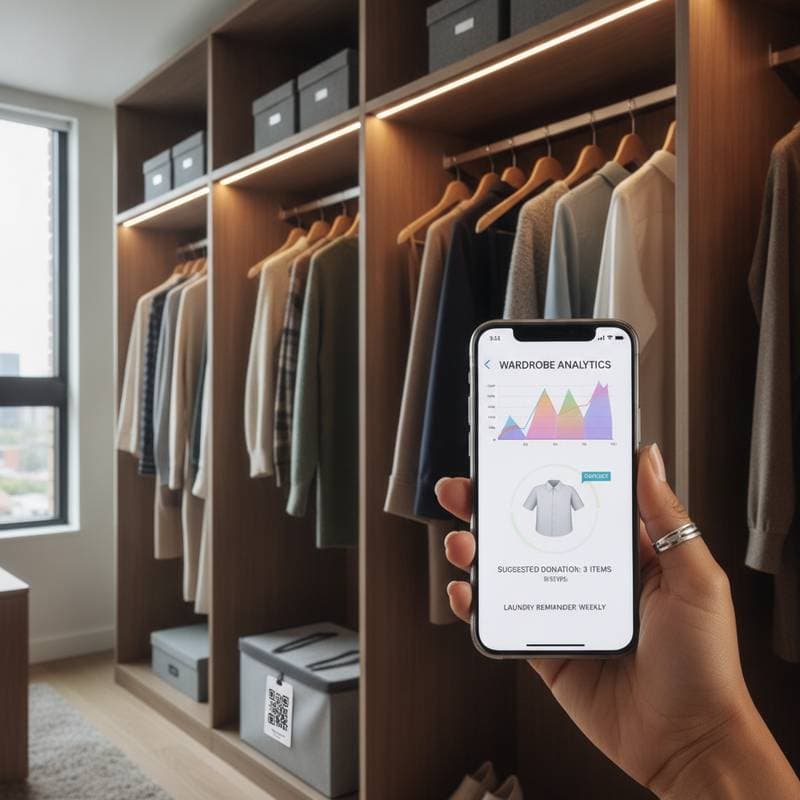
Advanced apps analyze images of living areas, detect misplaced objects, and recommend storage solutions. They also manage digital files by clearing cloud storage alongside physical shelves.
Habit Recognition Through Machine Learning
These applications depend on machine learning models that refine recommendations with continued use. When users frequently misplace keys or remote controls, the system identifies the pattern and suggests preventive measures such as new storage spots or sensor alerts.
Contextual awareness distinguishes temporary disarray from persistent problems. A living room that resets after weekly movie nights triggers no intervention. Accumulated clutter beyond established patterns prompts action before disorder escalates.
This approach turns decluttering into an adaptive process similar to working with a professional organizer available through a phone or smart hub.
Integration Across Digital and Physical Spaces
AI decluttering tools now connect household objects with cloud documents. Users receive reminders to delete unused files when device storage approaches capacity. Digital receipts link automatically to physical products for warranty and expiration tracking.
Smart home compatibility improves efficiency further. A robotic vacuum can receive directions from the organizer to focus on high-traffic zones where items tend to accumulate.
Privacy Protections and User Control
Data handling requires careful attention as these applications process images of personal spaces. Reputable providers offer encryption, local processing options, and adjustable permissions. Review policies for data storage and offline capabilities before adoption.
Users retain final authority over recommendations. No algorithm accounts for personal attachment to specific items such as a well-used bookshelf.
Professional Perspectives on Sustained Order
Professional organizers incorporate AI tools to maintain results after initial cleanouts. The technology functions as ongoing support that reinforces accountability.
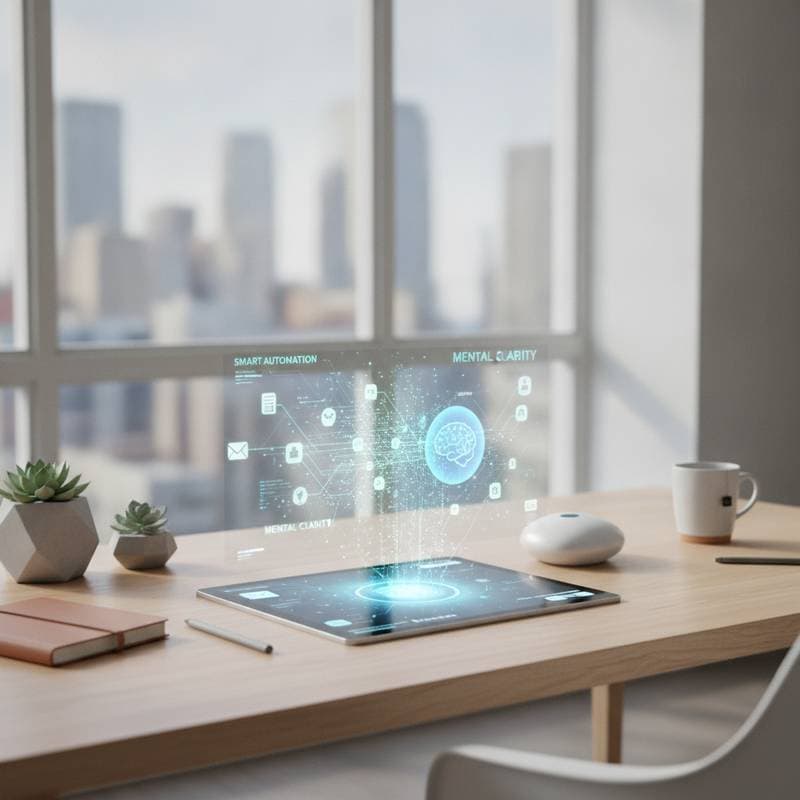
Organized environments correlate with better focus and lower stress levels. When AI manages routine maintenance, individuals direct energy toward creative or personal activities.
Selecting an Appropriate Platform
Choice depends on specific priorities such as visual inventory tracking or digital file management. Evaluate options against these criteria:
- Adaptive learning that refines suggestions as habits change.
- Compatibility with current smart home systems and digital services.
- Transparent data policies with user-controlled settings.
- Interfaces that support regular interaction.
- Predictive alerts that address clutter early.
The selected application should integrate naturally into existing routines.
Daily Benefits of Predictive Organization
Integration produces noticeable changes in item placement, morning efficiency, and digital file access. Benefits accumulate as the system adapts to evolving patterns.
Dynamic recommendations replace fixed checklists. The assistant predicts needs, prevents buildup, and adjusts over time.
This technology supports balanced living by making order a consistent outcome rather than a recurring task.