The Reality Behind Garden Automation
A garden robot can patrol beds, identify weeds, and deliver water without constant supervision. Yet every system still requires clear boundaries, reliable connectivity, and human judgment to perform well. The following sections explain what these machines actually do, where they fall short, and how to decide whether one fits your space.
How Garden Robots Operate
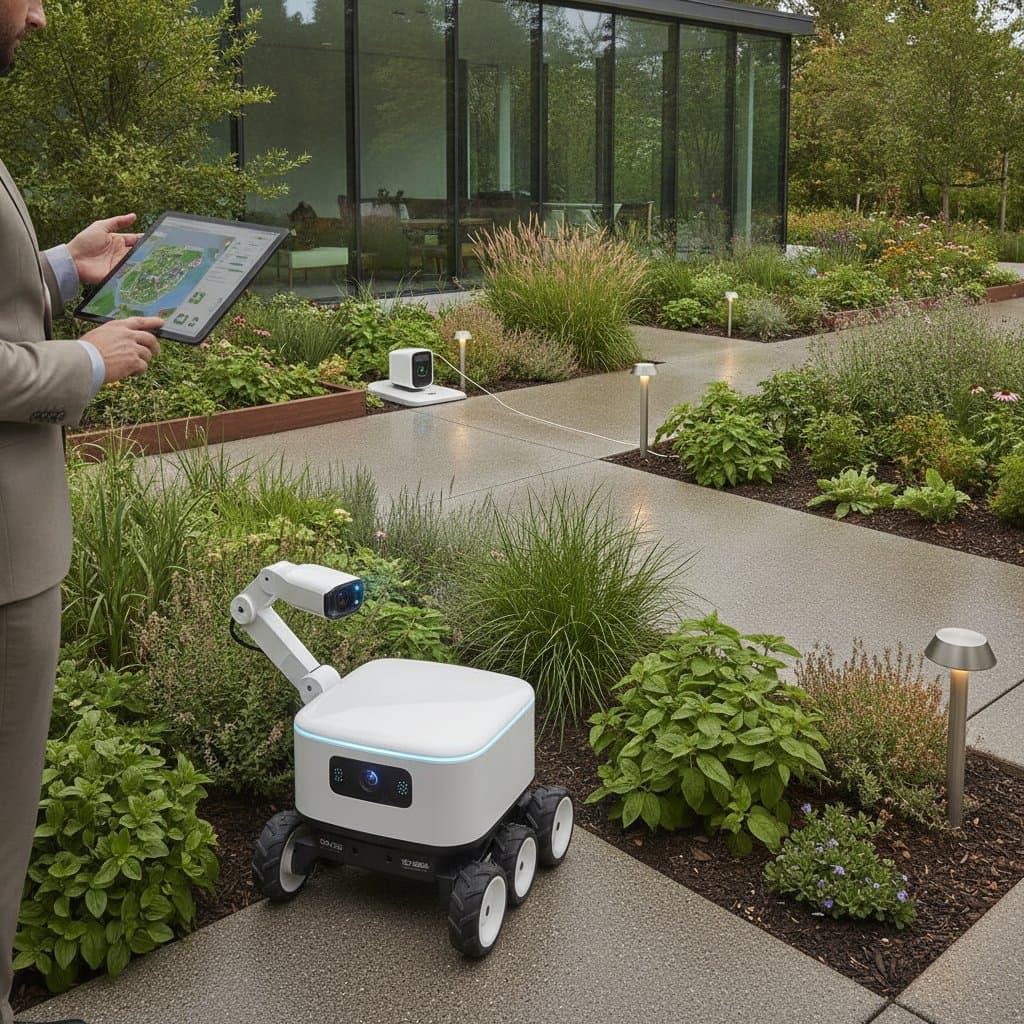
Different models focus on specific tasks. Some machines measure soil moisture and release water only when sensors indicate a need. Others move through planting areas with cameras that compare leaf shapes and growth patterns against stored images. A few combine navigation, weed removal, and environmental monitoring within a single unit.
Weeding robots scan the surface with cameras, then use small blades, brushes, or targeted treatments once the software classifies growth as unwanted. Watering units rely on moisture probes placed at root depth, along with weather data, to adjust irrigation schedules. Both approaches work best when garden conditions match the assumptions built into the training data.
Why Gardeners Consider Automation
Routine chores often compete with work schedules and family responsibilities. Weeds emerge between meetings. Containers dry out during weekend travel. A robot that patrols on a fixed schedule can catch these issues earlier than occasional human checks.
Consistent observation also supports water conservation. Instead of running sprinklers on a timer, sensor-driven units deliver smaller amounts only where readings fall below set thresholds. That precision reduces runoff and limits disease pressure linked to overwatering.
The same data collection helps gardeners focus their own time. When basic patrols are handled automatically, attention can shift to pruning decisions, soil amendments, and harvest timing.
Limits That Require Human Oversight
No camera system distinguishes every seedling with complete accuracy. A desired herb can resemble a common weed during early growth stages. A beneficial insect habitat may register as clutter. When the software encounters an unfamiliar plant, it may stop, request confirmation, or proceed with a guess.
Moisture readings vary with soil type. Sandy beds drain quickly and may trigger frequent irrigation, while clay holds water longer and risks saturation. Placing a single sensor in a mixed bed can produce misleading averages.
Weather events introduce further variables. After heavy rain, a robot may continue scheduled watering unless manually paused. During heat waves, established plants may need supplemental misting that current systems do not provide.
Pre-Purchase Evaluation
Garden Layout
Measure path widths, gate clearances, and turning radii. Note slopes greater than 15 degrees and surfaces that become slick when wet. Confirm that charging stations remain accessible year-round.
Plant Identification Features
Request details on how the system handles uncertainty. Look for editable maps that let you mark protected zones. Verify whether software updates add new crop varieties and whether manual overrides are available through the companion app.
Water Delivery Options
Check connection points for hoses, drip lines, or onboard tanks. Review maximum flow rates and required filtration. Determine what happens if the internet connection drops during a scheduled cycle.
Privacy Controls
Cameras may record activity beyond garden boundaries. Read the data policy to learn where images are processed and how long recordings are retained. Confirm that account access uses two-factor authentication.
Maintenance Requirements
Outdoor equipment collects soil and pollen. Ask how often blades, sensors, and wheels need cleaning. Verify the availability of replacement parts and authorized service locations before purchase.
A Stepwise Introduction
Begin with a single bed that has defined edges and uniform plant spacing. Remove loose debris and mark any plants you want protected. Run the robot while you remain nearby to observe responses to obstacles and changes in light.
Review activity logs after each session. Adjust zone boundaries or sensitivity settings based on errors. Expand coverage only after the machine completes several error-free cycles.
Pair automation with simple garden notes. Record which areas dry fastest, which weeds return most often, and which plants show stress under specific conditions. These observations improve the instructions you give the robot and make its reports more useful.
Matching Equipment to Actual Needs
List the chores that consume the most time. If container watering is the primary issue, a compact irrigation unit may suffice. If weed pressure in open beds is the main concern, focus on models with proven mechanical removal rather than chemical options.
The most effective setups treat the robot as one tool among several. It handles repetitive observation and basic irrigation. You retain responsibility for plant selection, soil health, and seasonal planning.
Keeping Perspective
Automation works best when expectations remain realistic. A garden robot reduces certain tasks but does not eliminate the need for seasonal judgment. Regular walks through the beds, combined with the data the machine provides, keep the overall system responsive to changing conditions.