Acoustic Gardens: Plants That Quiet Outdoor Noise
Noise can sneak into outdoor spaces in ways that are hard to ignore. The hum of traffic, the whir of air conditioners, or even neighborhood chatter can make it tough to unwind in your own yard. Acoustic gardens use plants strategically to soften sound. They create outdoor spaces that feel calmer and more private.
Why Plants Make Great Sound Buffers
Plants are surprisingly effective at reducing noise. Their leaves, stems, and branches scatter and absorb sound waves. This creates a gentler acoustic environment. Designer and horticulturist Lila Moreno of Green Haven Studio explains, "Think of plants as living sound panels. The denser and more layered your planting, the more they disrupt and muffle sound before it reaches your ears."
In most cases the goal is not total silence but a soft, filtered soundscape. The trick is layering different plant types. Use materials that reflect or absorb noise in complementary ways. The result feels balanced and natural.
Start with Structure: Trees and Tall Shrubs
Layer for Depth and Density
A single hedge will not cancel noise entirely. Real results come from layering plants of different heights and textures. Start with tall shrubs or small trees. Then add medium-height perennials and groundcovers to fill gaps at the base. This multi-layer composition acts like a sponge, trapping and softening sound.
For mid-level planting, dense species such as boxwood, viburnum, or pittosporum work well. Groundcovers like mondo grass or creeping thyme help absorb reflected noise from patios or walkways. Moreno suggests, "Think of your garden layers as a sound sandwich. The more layers you have, the quieter it feels, even if the difference is not immediately measurable."
Position these layers close to noise sources when possible. If street noise is the issue, place your heaviest planting along the perimeter fence. If you are more concerned with an echoing patio, build layers around seating areas instead.
Incorporate Living Walls and Vertical Gardens
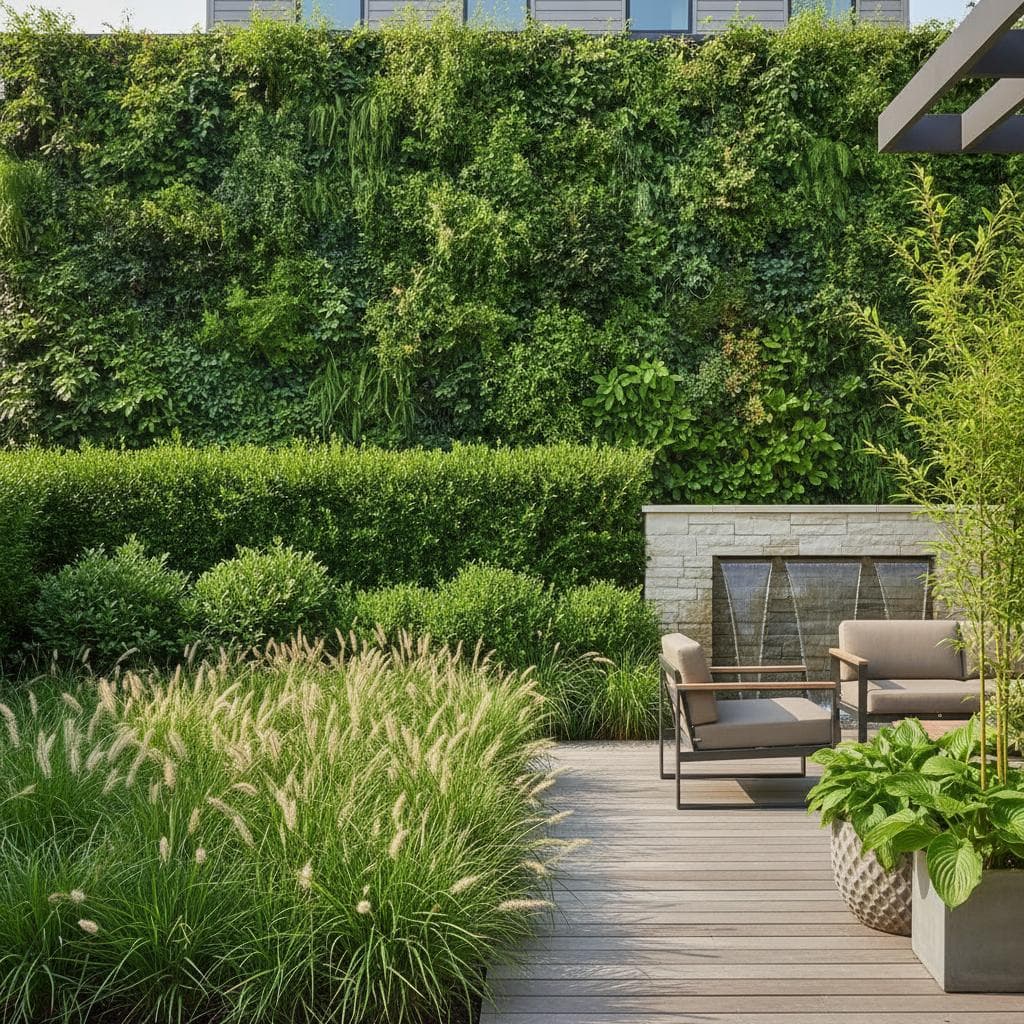
For urban gardeners or renters, vertical gardens are an excellent way to reduce noise without taking up valuable space. Mounted systems filled with ferns, philodendrons, or trailing ivy can dampen echoes and create a lush visual buffer. Living walls also help absorb high-frequency sounds that bounce off hard surfaces like concrete or siding.
Designer Emma Caldwell of Soundscape Studios recommends using a felt or coco-fiber backing for vertical planters. "Those materials act as both growing medium and acoustic insulation," she says. "They add thickness and softness that help mute sound." Watering systems built into these panels also create a subtle trickling noise, which adds pleasant ambient sound to mask unwanted noise.
Even a small wall garden can make a noticeable difference on a balcony or terrace. If you are working with a rental, try modular planters or hanging pockets that can be easily removed later.
Add Sound-Masking Elements
While plants absorb and scatter sound, they also work beautifully with gentle water features or rustling foliage that mask background noise. This is known as sound masking. It is often more effective than trying to block sound entirely.
Install a small fountain or bubbler near seating areas to create a steady, soothing hum. The goal is not volume but consistency. The quiet trickle of water distracts the ear from distant mechanical or street sounds. You can also choose plants that naturally make sound when they move, such as ornamental grasses, bamboo, or aspen. Their gentle rustle adds movement and texture that make your garden feel alive.
Lee explains, "Sound masking is psychological as much as physical. When your brain focuses on pleasant, natural sounds, it filters out the rest. That is why even a simple fountain can make a courtyard feel twice as peaceful."
Choose Plants with Texture and Density
When creating an acoustic garden, texture matters as much as size. Plants with broad, fleshy leaves like hostas and philodendrons absorb sound effectively. Fine-textured plants like grasses diffuse it. Mixing both types helps balance absorption and diffusion.
For denser coverage, look for species with overlapping foliage, such as laurels, camellias, or privet. These plants trap sound waves and prevent them from bouncing back into the space. A dense evergreen hedge paired with a layer of textured perennials can make a dramatic difference in perceived quiet.
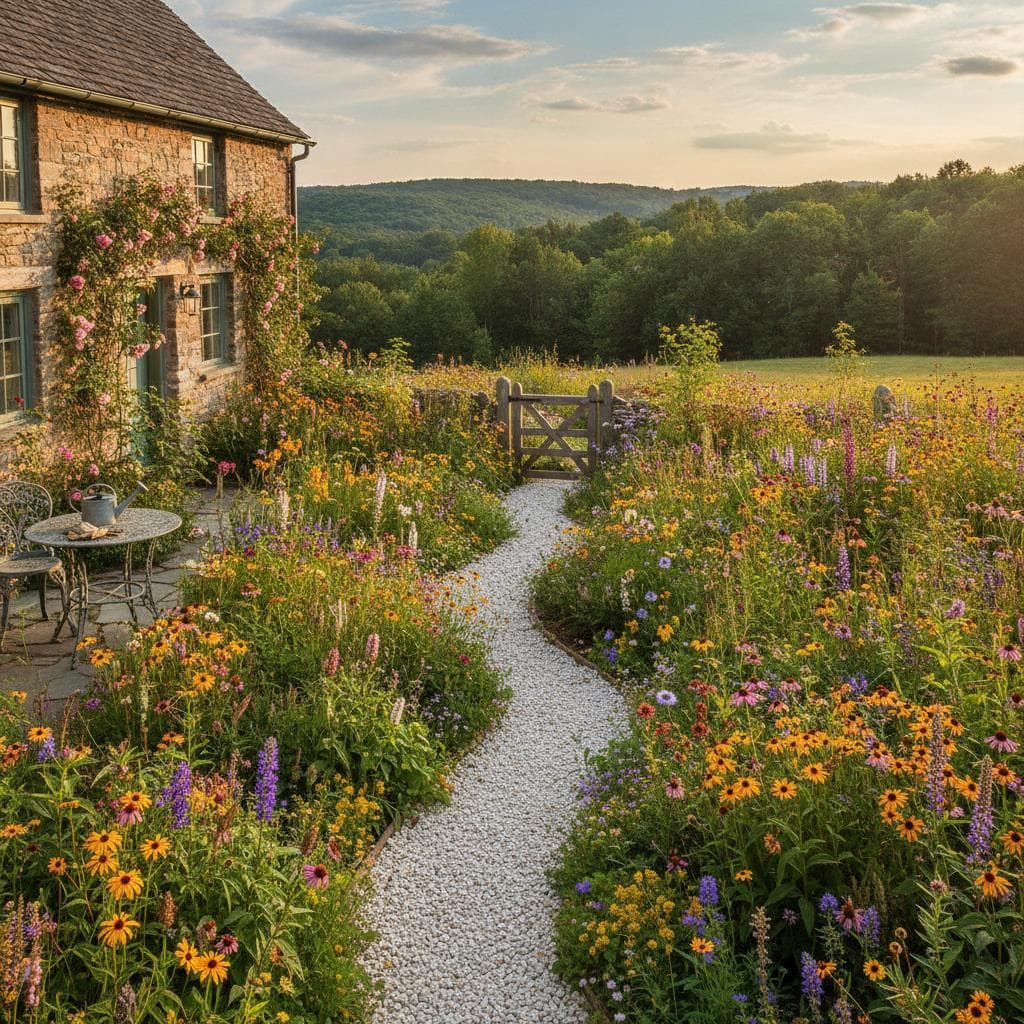
If you prefer a softer, more meadow-like look, combine tall grasses like miscanthus or fountain grass with flowering perennials. Their movement and variety add visual rhythm while still providing acoustic benefits. In small courtyards, even a few large potted plants can help break up sound reflections from hard walls.
Consider Hardscape and Maintenance
Plants do the heavy lifting, but hardscape materials also influence how sound behaves in your garden. Avoid overly reflective surfaces like glass or polished stone near seating areas. Instead, choose materials that absorb sound, such as gravel, wood decking, or porous pavers. Soft ground surfaces help prevent sound from bouncing around your space.
Regular maintenance also matters. Overgrown plants can lose their shape and effectiveness. Sparse or pruned-too-thin hedges allow sound to pass through easily. Plan to trim strategically, keeping density without creating harsh edges. Caldwell advises, "You want your garden to look intentional but full, not overly manicured. A bit of softness is part of what makes acoustic planting work."
If your plants are young or recently installed, provide consistent watering and mulching to encourage healthy growth and density.
Combining Function with Beauty
An acoustic garden is not just about quieting noise. It also transforms the sensory experience of being outdoors. The rustle of leaves, the scent of herbs, and the visual layering of greens and flowers all contribute to a more immersive, relaxing atmosphere.
Many homeowners find that once they start planting for sound, they begin noticing other sensory improvements too. The same plants that buffer noise often attract birds, butterflies, and beneficial insects. The result feels less like an engineered solution and more like a living ecosystem that supports both people and wildlife.
Moreno puts it beautifully: "When you design for sound, you design for life. The garden becomes a place where you can hear the world breathe again."
Living with Your Design
The beauty of an acoustic garden is that it evolves over time. As plants grow and fill out, the sound profile of your space changes with them. You may notice quieter mornings or softer evenings, even if you live near traffic or shared walls. The goal is not perfection but comfort. Focus on the areas where you spend the most time, such as a patio or balcony. Add a few tall planters, a mix of textures, and maybe a small fountain to begin.