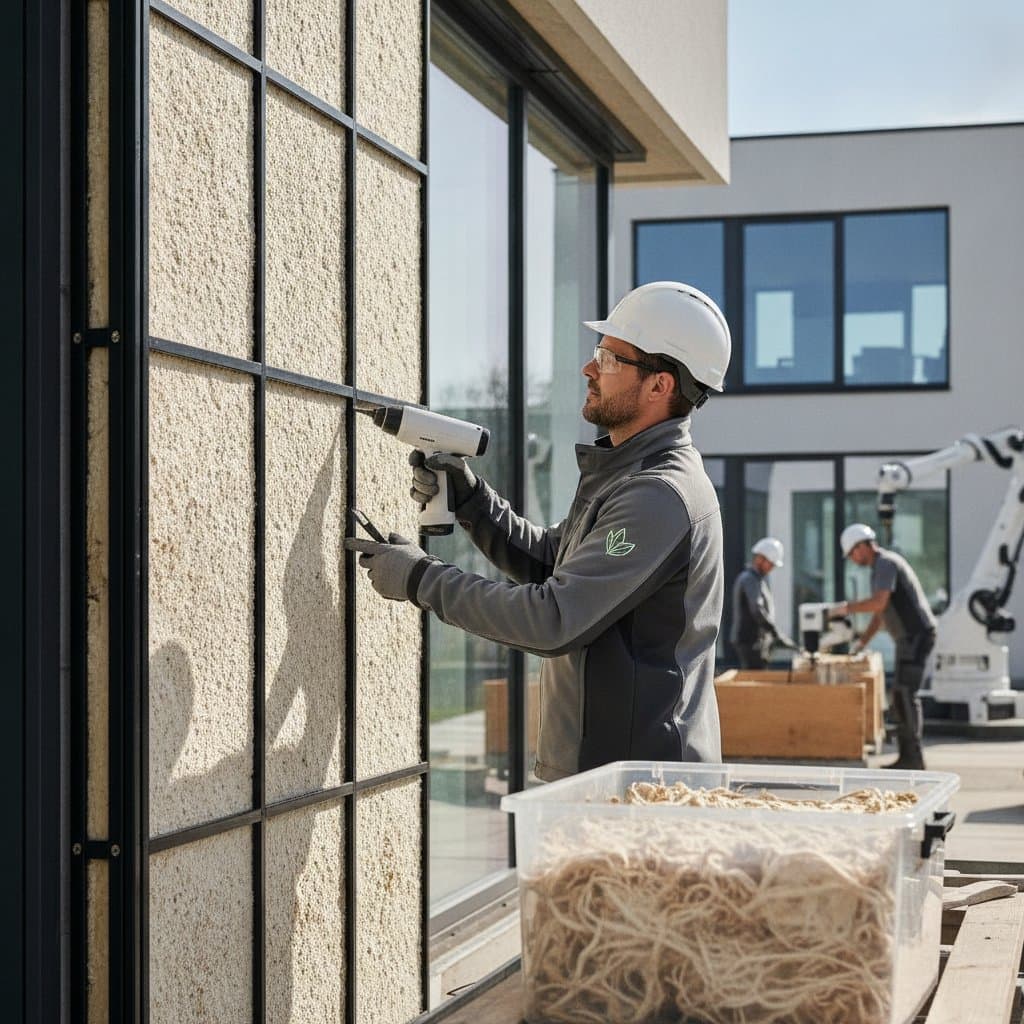
Mycelium Insulation Booming in Sustainable Home Upgrades
The latest sustainable home trend is growing, literally. Mycelium, the root structure of mushrooms, is turning heads in the world of eco-friendly building materials. Homeowners and designers are embracing it as a natural solution for insulation that is both renewable and high performing.
This material helps regulate indoor temperatures while supporting a cleaner, greener future for home design.
Why Mycelium Is Getting So Much Attention
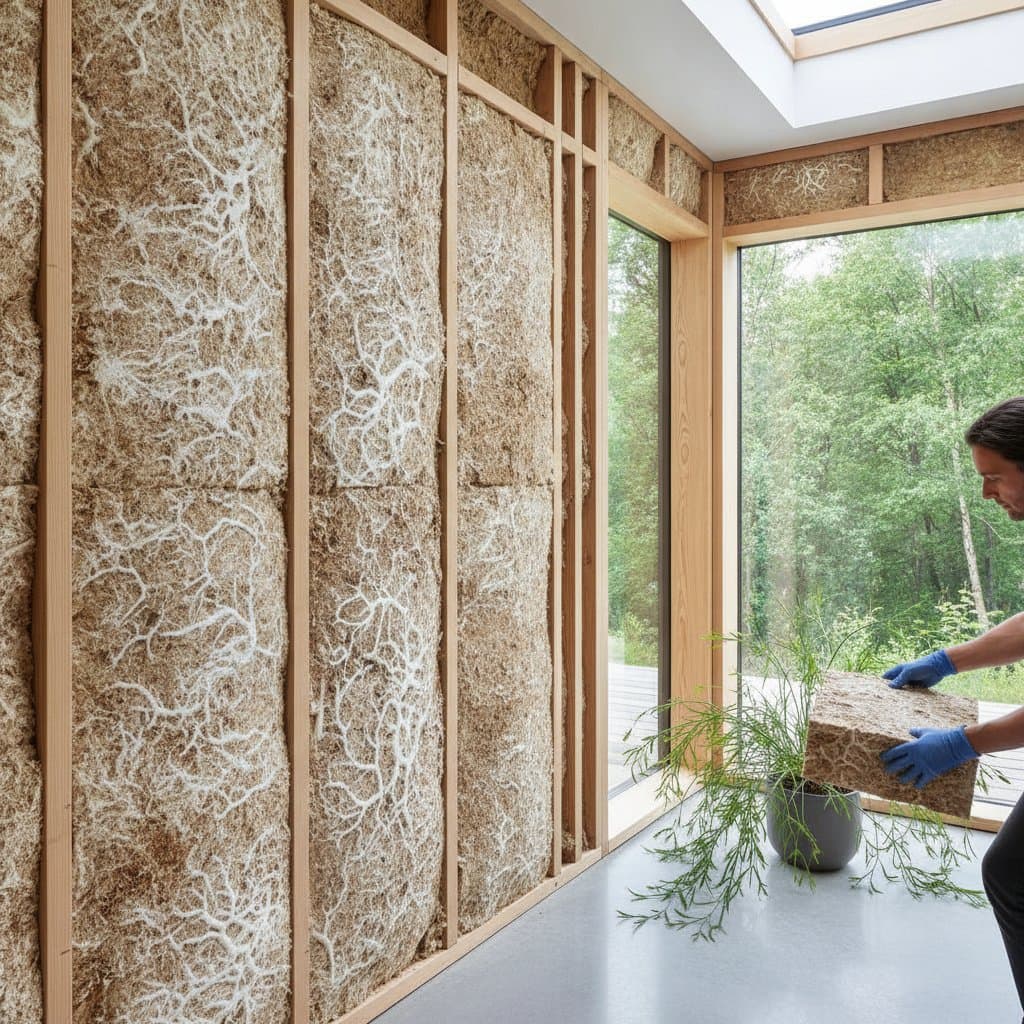
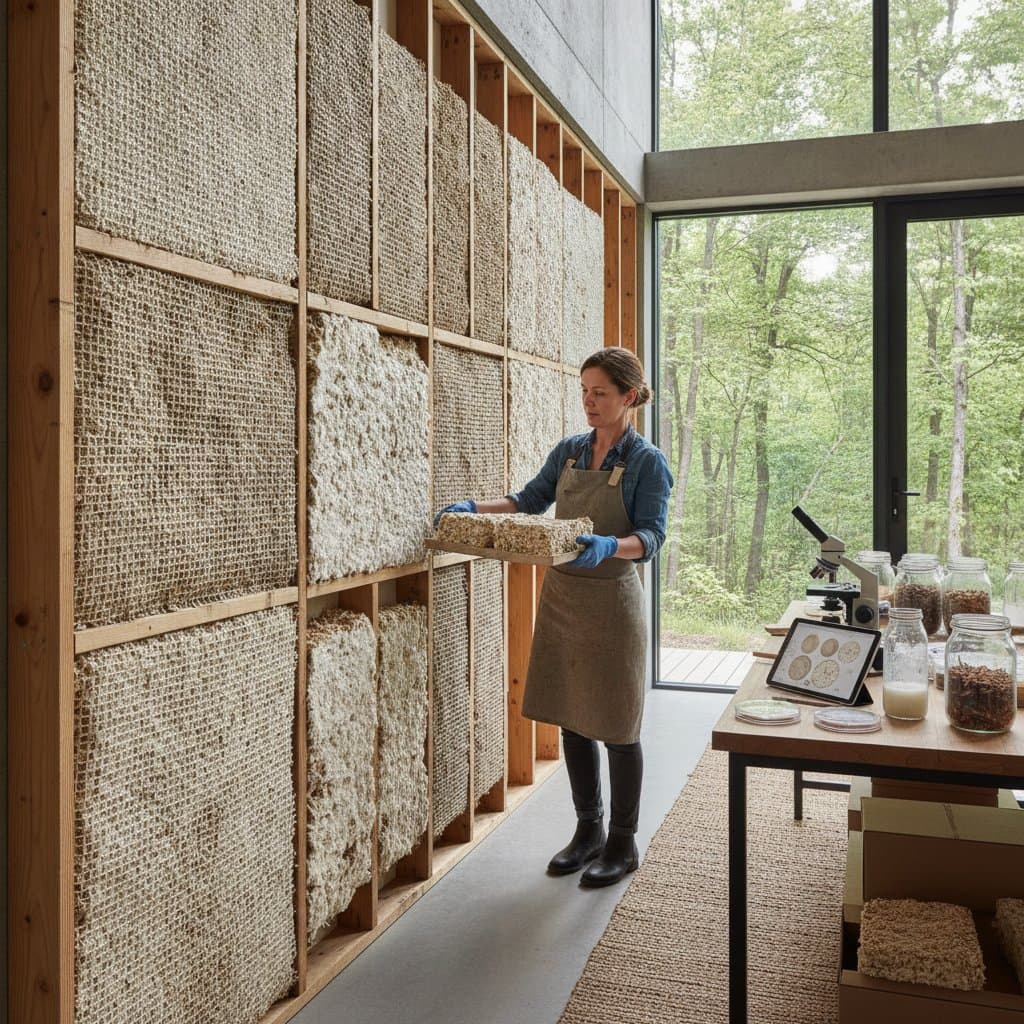
It is easy to see why mycelium insulation is taking off. Traditional insulation can contain synthetic fibers or plastics that off-gas over time. Mycelium, by contrast, is completely natural and biodegradable. It is made by growing fungal networks inside molds filled with agricultural waste like straw or corn husks.
The Benefits That Go Beyond Sustainability
While its eco-credentials are impressive, homeowners are often just as interested in how it performs in everyday living. Mycelium insulation offers several real-world benefits that make it practical as well as sustainable.
- Excellent thermal performance. It helps keep interiors warm in winter and cool in summer with insulation values similar to many standard options.
- Sound absorption. Its dense, fibrous structure dampens noise effectively, which makes it great for apartments or busy households.
- Fire resistance. Once heat-treated, mycelium becomes naturally flame retardant without chemical additives.
- Moisture regulation. It absorbs humidity and releases it slowly, helping maintain healthier indoor air.
These features make it more than a sustainability statement. It is a comfort upgrade that fits seamlessly into modern life.
How Mycelium Fits into Real Homes
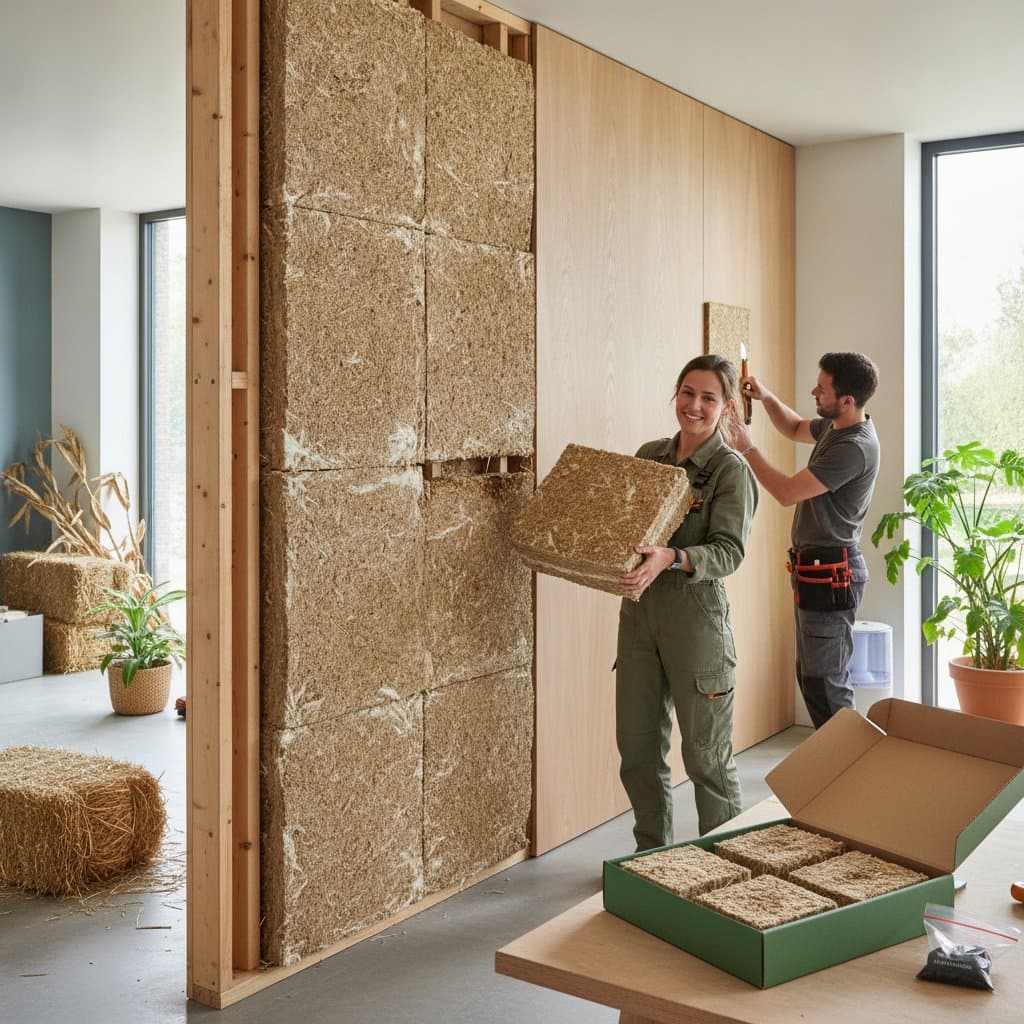
You do not have to be building a new home from the ground up to use mycelium insulation. Retrofit projects are now exploring it for attics, interior walls, and even floors. Smaller panels are being designed for easy installation, which means homeowners can swap out older materials without major demolition.
Architect Tom Lee of Studio Earthwise says, "We have started using mycelium in interior partitions and attic spaces where clients want both sustainability and improved air quality. It is lightweight, safe to handle, and compostable at end of life." For renters, smaller applications like acoustic wall tiles or mycelium-based decorative panels offer a low-commitment way to incorporate the material benefits.
Budget and Availability Considerations
While mycelium insulation is still new to the market, it is quickly becoming more accessible. Costs can vary by region and production scale, but as interest grows, prices are gradually becoming more competitive with mid-range insulation options. For those on tight budgets, starting small with partial upgrades can still make a noticeable difference in comfort and energy efficiency.
Homeowners should also consider local suppliers, since the material sustainability advantage increases when it is sourced and grown nearby. Supporting regional producers helps reduce transportation emissions and encourages innovation in local green industries.
Caring for Mycelium-Based Materials
Once installed, mycelium insulation requires very little upkeep. It does not attract pests, and when properly sealed, it resists mold growth. The key is ensuring that it is used in areas with stable moisture levels and protected from prolonged water exposure. If you ever remodel, the panels can be composted or reused, keeping waste out of landfills.
Integrating Mycelium Insulation
Choosing mycelium insulation is a practical step toward a greener home. It is also a statement about how thoughtful design can reshape daily living. It proves that sustainable materials do not have to feel experimental or out of reach. They can be comfortable, cost-effective, and genuinely beautiful in their simplicity.
A single upgrade, like switching to mycelium insulation, creates visible change you can feel every day. It is one of those rare design choices that is kind to both your space and the planet.