Cork Flooring Regenerates Sustainably Without Felling Trees
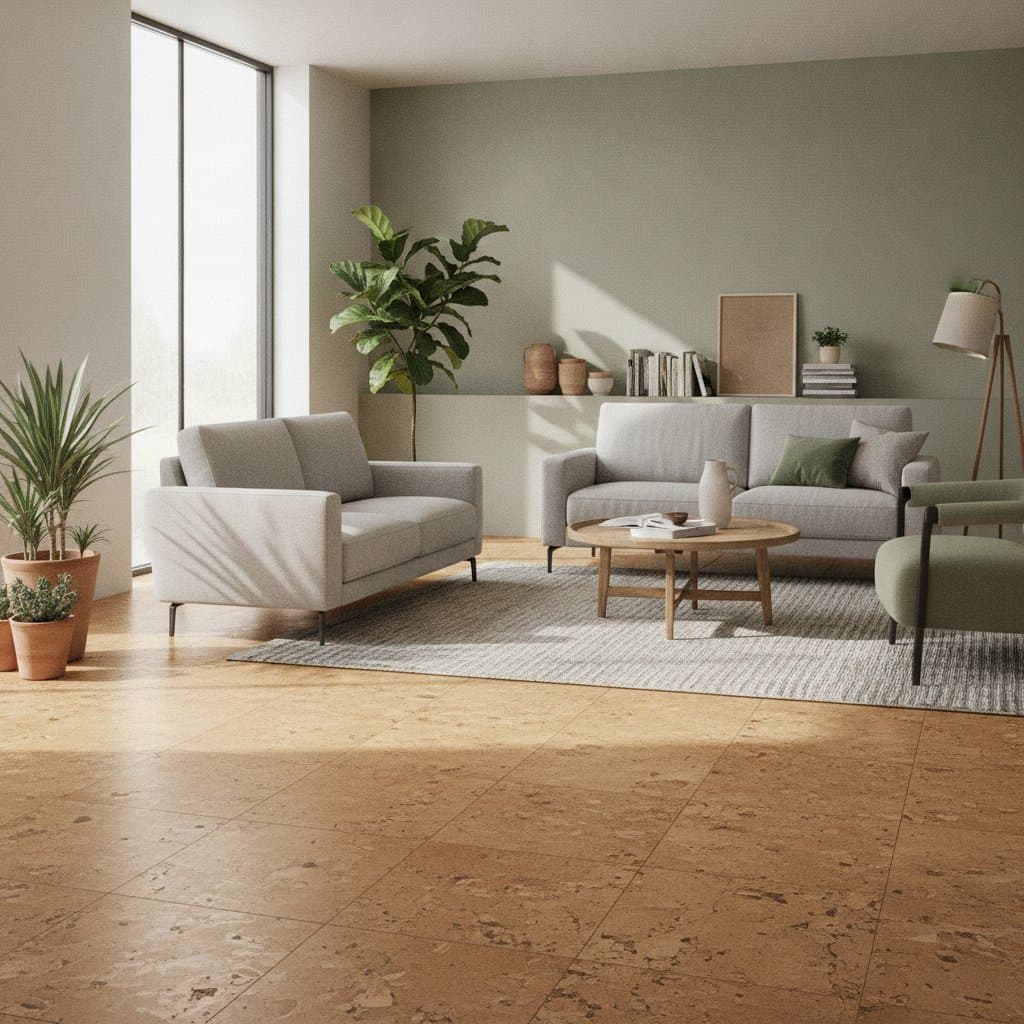
Cork flooring blends sustainability, comfort, and durability like few materials can. Harvested without harming trees, it insulates, cushions, and reduces noise naturally. Modern finishes make it stylish and long lasting, while low VOCs support healthier homes.
Why Cork Flooring Is the Sustainable Choice for 2026
If you have ever walked barefoot across a cork floor, you already know the quiet comfort it provides. This natural material ranks among the most sustainable flooring options available. For those planning an eco friendly remodel, cork deserves serious consideration. The real reasons extend far beyond marketing claims about being green.
After decades of working with flooring materials of every kind, cork offers an uncommon balance of performance, comfort, and environmental responsibility.
The Simple Reason Homeowners Overlook Cork
What Cork Flooring Actually Involves
Cork is not cut from trees in the way hardwood is. Instead, it comes from the bark of the cork oak tree, which naturally regenerates after being carefully stripped. The same tree can produce new bark multiple times across its lifespan without ever being cut down.
That means cork production is sustainable by nature. The bark is ground into granules, pressed with natural resins, and formed into sheets or planks. The final product can be finished with water based sealers that emit minimal volatile organic compounds.
When you install cork flooring, you are not just getting a renewable material. You are also choosing something that helps regulate temperature, reduces noise, and provides a cushioned feel underfoot.
Prerequisites: What You Need to Know Before Installing Cork
Before you start, it is important to understand what this project requires. Cork flooring is available in two main forms: glue down tiles and floating planks. Floating systems use a tongue and groove or click lock mechanism, making them the most DIY friendly option.
Glue down cork tiles create a seamless, permanent installation but require more skill and patience.
Tools and materials you will need:
- Utility knife with sharp blades
- Straightedge and measuring tape
- Rubber mallet
- Pull bar and tapping block
- Spacers for expansion gaps
- Underlayment if not pre attached
- Moisture barrier for concrete subfloors
- Cork adhesive for glue down installations
- Water based polyurethane for sealing exposed edges
Skill wise, if you are comfortable installing laminate or vinyl plank flooring, you can handle floating cork flooring. Glue down tiles require careful alignment and even adhesive application.
Step by Step: Installing Floating Cork Flooring
-
Prepare the subfloor. Cork demands a smooth, clean, and dry surface. Sweep, vacuum, and check for any dips or high spots. If you are installing over concrete, use a moisture barrier to protect against vapor transmission.
-
Acclimate the flooring. Leave the unopened boxes of cork planks in the room for at least two days so the material adjusts to the temperature and humidity.
-
Plan your layout. Measure the room and plan plank placement so that the first and last rows are at least one third of a plank wide.
-
Install the first row. Lay the planks tongue side toward the wall, using spacers to maintain a quarter inch expansion gap.
-
Continue across the room. Stagger end joints at least six inches apart between rows. Use a tapping block and mallet to secure tight joints without damaging the edges.
-
Trim the final row. Measure carefully and cut planks to fit. Use a pull bar to snug the last row into place.
-
Finish the edges. Remove spacers and install baseboards or quarter round molding to cover the expansion gap.
-
Clean and protect. Vacuum and damp mop with a pH neutral cleaner. Avoid soaking the floor.
Common Problems and How to Avoid Them
Gaps between planks usually happen when the planks are not fully clicked together or the subfloor is uneven. Always check for tight joints and correct any subfloor irregularities before starting.
Curling edges or lifting corners result from excessive moisture. Keep humidity levels consistent, and never wet mop cork flooring. If installed over concrete, a proper vapor barrier is non negotiable.
Premature wear occurs from dragging furniture or skipping protective pads. Use felt pads under all furniture legs and recoat with water based polyurethane every few years if the surface loses its sheen.
Sun fading affects cork like hardwood. Use blinds or rugs in high exposure areas to maintain even coloration.
Why Cork Outperforms Other Green Floor Options
Many flooring materials claim to be eco friendly, but few can match cork full lifecycle sustainability. Bamboo grows quickly and is renewable, but it is often shipped long distances and processed with harsh adhesives. Reclaimed wood is excellent for reuse, but it is not always available or affordable.
Linoleum shares some of cork benefits but lacks the same softness and sound insulation. Cork provides a unique combination of renewability, durability, and comfort. It insulates against both temperature and sound, which lowers heating and cooling costs while creating a quieter home.
The Real World Performance You Can Expect
After installing cork flooring in numerous homes over the years, it reduces fatigue in kitchens and stays warm underfoot. In living rooms and bedrooms, it muffles sound, making it ideal for multi story homes. When properly sealed and maintained, cork can last for decades.
Cork is not indestructible. Heavy appliances, pet claws, and sharp objects can damage it. If you expect extreme wear, choose cork flooring with a high density core and multiple protective coats.
When to Call a Professional
If you are dealing with uneven subfloors, complex room layouts, or transitions between multiple flooring types, professional installation might be the smarter choice. An experienced installer can handle subfloor leveling, moisture testing, and edge detailing with precision.
For glue down cork tiles, hiring a pro is often wise unless you have prior experience with adhesive based flooring.
Environmental and Health Advantages
Cork flooring contributes to a healthier indoor environment. It emits very low levels of volatile organic compounds compared to many synthetic flooring materials. Because it is naturally resistant to mold, mildew, and insects, it reduces the need for chemical treatments.
From a global perspective, cork harvesting supports sustainable forestry. Cork oak trees are protected by strict environmental regulations. Each harvested tree continues absorbing carbon dioxide.
Cost Considerations and Longevity
Cork flooring is generally priced between mid range laminate and high end hardwood. While it may cost slightly more upfront than vinyl or laminate, its comfort, insulation, and durability justify the investment.
Maintenance costs are minimal. Regular sweeping, occasional damp mopping, and protective pads under furniture are usually all you need. Every few years, refresh the finish with a new coat of water based polyurethane.
Pro Tips for Long Term Success
- Keep cork flooring out of bathrooms or laundry rooms where standing water is common.
- Maintain indoor humidity between 40 and 60 percent to prevent expansion or contraction.
- Use breathable area rugs instead of those with rubber backing.
- Clean spills promptly with a damp cloth rather than letting liquid sit.
- If you move heavy furniture, lift it rather than dragging it.
Selecting Cork for Your Next Project
Choosing cork flooring is a practical decision grounded in comfort, durability, and responsible sourcing. Whether you install it yourself or hire a professional, cork brings warmth and quiet to any space while reducing your home environmental footprint. For homeowners focused on sustainable remodeling, cork stands out as a reliable choice that feels as good underfoot as it looks.