Why Enzyme Cleaners Work Better Than Chemicals
Enzyme cleaners apply biological processes to break down organic waste at its source. This method delivers thorough cleaning without the surface damage or air quality issues common to chemical products. Homeowners gain reliable results that persist after the initial application.
How Enzyme Cleaners Function
Enzymes act as biological catalysts that target specific materials such as proteins, fats, and starches. They convert these residues into water soluble particles that rinse away without residue. Chemical cleaners rely on acids or solvents that attack stains broadly and often leave behind corrosive effects or fumes.
The biological approach mirrors natural decomposition found in soil and water systems. As a result, enzyme formulas avoid the indiscriminate damage that shortens the life of fixtures and pipes.
Situations Where Enzymes Excel
Getting Ready to Use Enzyme Cleaners
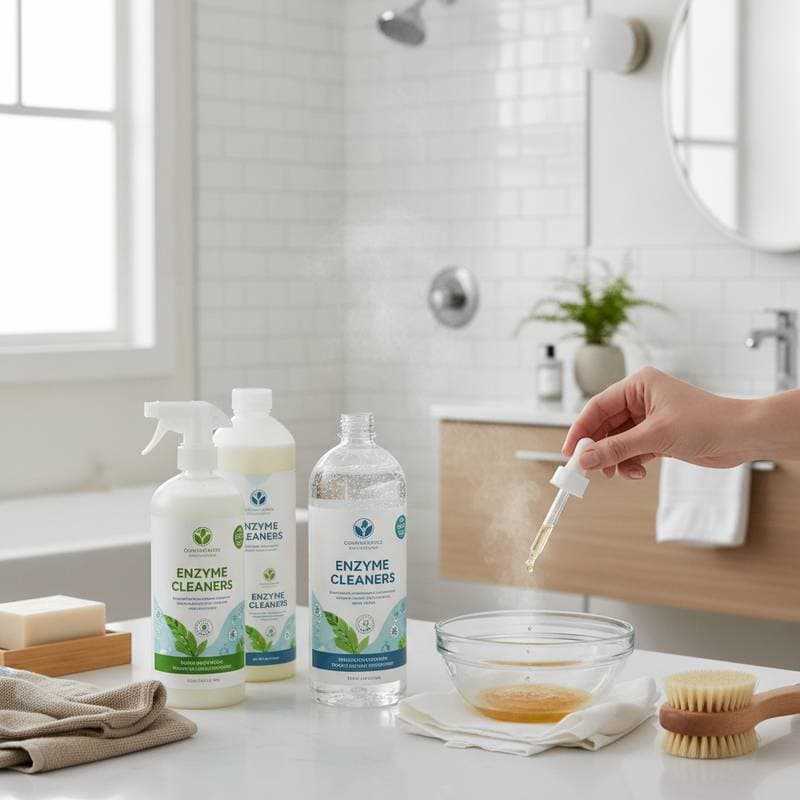
Select a formula matched to the surface and problem, whether general purpose, drain specific, or pet oriented. Gather a spray bottle or applicator, a soft brush, microfiber cloths, and rinse water. Wear gloves for longer sessions to maintain skin comfort.
Allow fifteen to thirty minutes of dwell time for the enzymes to activate. Confirm compatibility on tile, porcelain, stainless steel, vinyl, and sealed stone before use. Test on a small area of unfinished wood or unsealed grout first.
Step by Step Application
- Locate the exact area of buildup or odor.
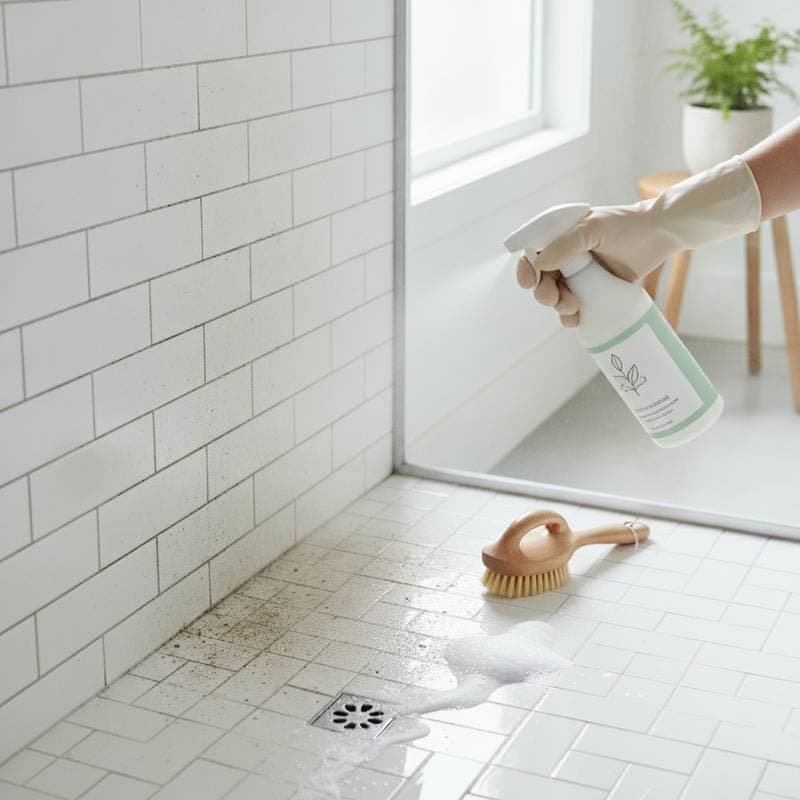
- Apply the solution generously to achieve full coverage.
- Leave the product undisturbed during the activation period.
- Loosen remaining material with a soft brush or cloth.
- Wipe away residue and rinse with clean water, then allow the surface to dry.
For drains, pour the solution directly into the pipe and leave it overnight before flushing with warm water. This extended contact reaches deeper organic films along pipe walls.
Ensuring Consistent Results
Monitor odor levels and visible cleanliness after each treatment. Repeat the process if any residue remains, since additional enzyme activity improves outcomes over successive uses. Verify that product labels list active enzymes and bacterial cultures rather than relying only on fragrances.
Establishing a Routine Maintenance Plan
Apply enzyme cleaners weekly in high use areas to prevent visible buildup. Treat plumbing systems monthly to keep drains clear and odor free without risking pipe corrosion or septic disruption. Store products in cool, dry locations away from sunlight and shake containers before each use.
Homeowners who adopt this method report better indoor air quality, fewer irritation incidents, and extended intervals between deep cleaning tasks. Consistent application gradually removes the need for chemical alternatives across the household.