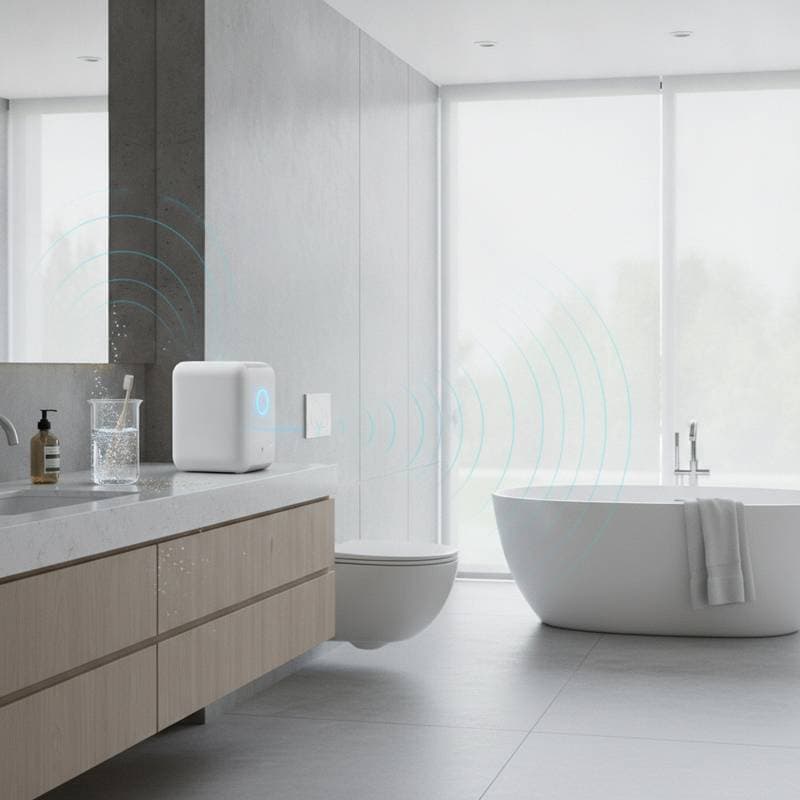
Steam Cleaning Delivers Chemical Free Sanitation for the Whole Home
When you open your front door after a deep clean, the scent of freshness signals that the work is complete. Yet that aroma may stem from residue left by harsh chemicals instead of genuine cleanliness. Steam cleaning creates a home where surfaces shine through purification by heated water alone. This approach proves powerful, safe, and free of added substances.
Core Advantages
- Steam cleaning sanitizes surfaces with water only and removes the need for harsh products.
- High heat lifts dirt, grease, and bacteria from floors, upholstery, and appliances.
- The process cuts allergens, boosts air quality, and promotes sustainable habits.
- Households with children, pets, or chemical sensitivities gain particular benefits.
- Long term savings arise as the need for multiple supplies declines.
Growing Preference for Natural Home Care
Conversations about cleaner living now appear across neighborhoods, social platforms, and design communities. Residents seek spaces that feel safe and natural rather than treated with synthetic formulas. Steam cleaning aligns with this movement toward eco conscious practices. The focus has shifted from surface appearance alone to environments that actively support health.
Home experts on television, green living influencers, and professional organizers promote simple tools that limit chemical exposure. Steam cleaning matches these recommendations. One compact device converts ordinary tap water into an effective cleaning agent through applied heat and pressure.
How Heat Powers the Cleaning Process
Steam cleaning relies on controlled heat to achieve results. Water heated to sufficient temperature produces vapor that loosens dirt and breaks down grime upon contact. Pressure then lifts debris away while the temperature eliminates bacteria, mold spores, and dust mites. Cleaning specialists note that steam reaches levels capable of neutralizing common household pathogens.
This action disinfects at a microscopic scale. Grout lines, countertops, and other textured areas receive thorough treatment that manual scrubbing often misses. The same principle used in commercial sanitization now operates at a household level.
Effective Applications Around the House
A single steam cleaner handles many tasks and reduces reliance on multiple product bottles. The following areas demonstrate strong performance.
Floors and Carpets
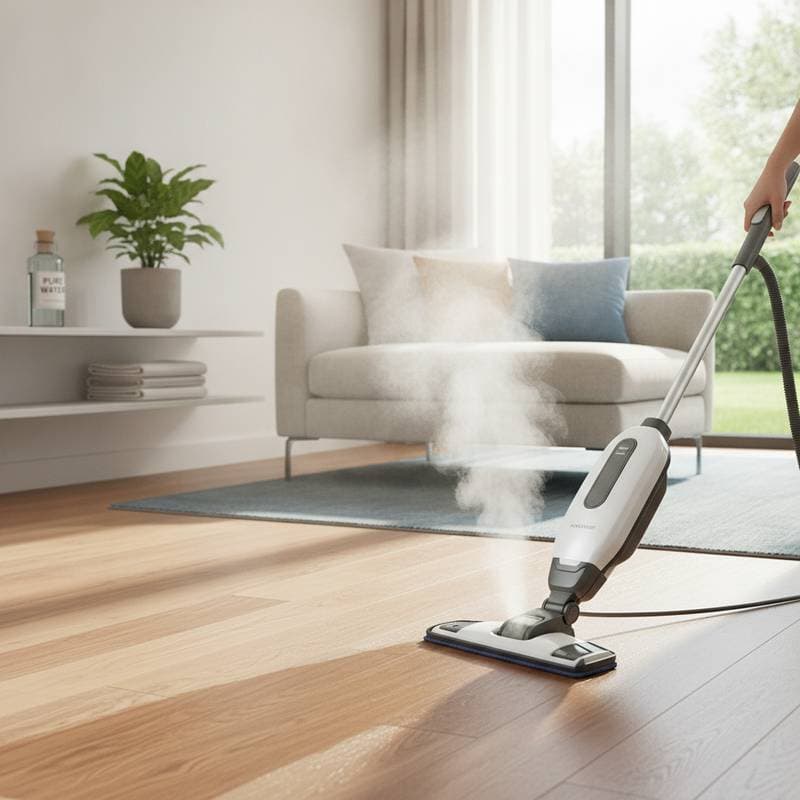
Steam lifts embedded dirt from tile, sealed hardwood, and select carpet fibers. It clears sticky residues from prior mopping and leaves surfaces ready for quick drying. Rapid drying also limits conditions that encourage mildew growth.
Kitchens
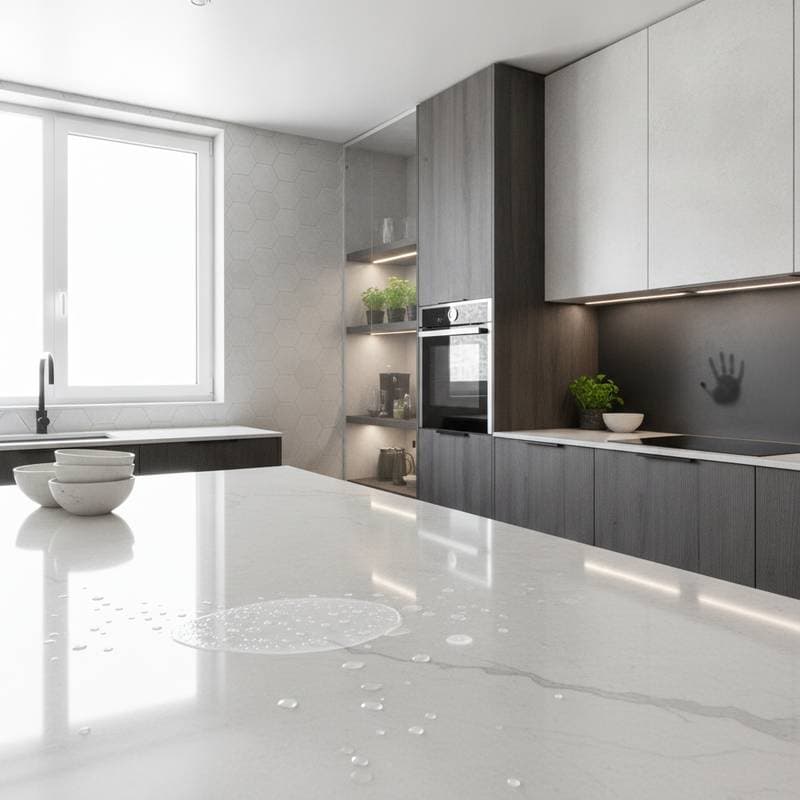
Steam loosens grease on stovetops, ovens, and microwaves within seconds. Users can sanitize cutting boards, cabinet handles, and sinks without risk of chemical transfer to food areas.
Bathrooms
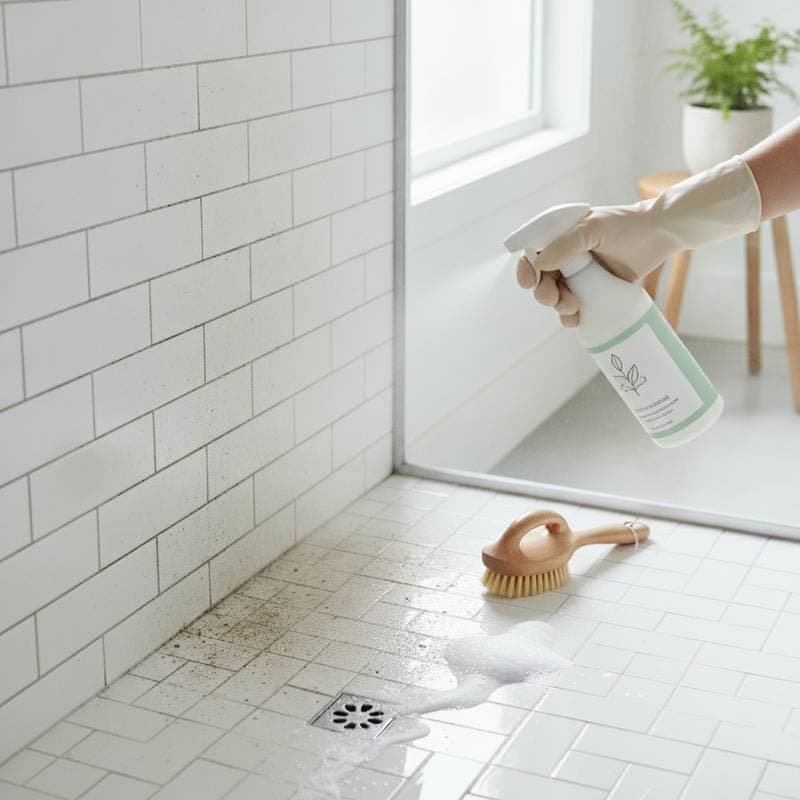
Tile grout, toilets, showers, and fixtures receive thorough treatment. Soap scum and water stains lift without streaks or lingering odors.
Upholstery, Mattresses, and Curtains
Steam refreshes fabrics while targeting dust mites and odors. It avoids saturation and suits homes with pets that require regular odor control.
Appliances and Glass Surfaces
Refrigerator shelves and windows gain a streak free finish. Fingerprints and residue clear without additional agents.
Health and Respiratory Improvements
Families managing allergies or sensitivities often find steam cleaning provides meaningful relief. Conventional products release compounds that remain airborne and may irritate lungs. Steam eliminates this exposure by relying solely on water.
Allergen reduction adds further value. Heat neutralizes dust mites, pollen, and pet dander trapped in fabrics. Indoor air quality improves and creates conditions recommended by pediatric and allergy specialists for sensitive residents.
Cost Savings and Sustainability Gains
An initial purchase of a quality steam cleaner offsets itself through reduced ongoing expenses. One device replaces separate cleaners for bathrooms, kitchens, and floors. Fewer plastic containers and disposable wipes enter the waste stream.
Steam also uses less water than traditional mopping because vapor covers surfaces efficiently. The drop in single use items supports broader sustainable practices.
Professional Perspectives on Steam Use
Cleaners who serve hotels, spas, and medical facilities rely on steam for strict hygiene requirements. Many residential services have adopted steam systems in response to client requests for chemical free options.
Eco lifestyle consultants note that steam cleaning encourages a more deliberate approach to household care. The lack of strong scents and residues produces a calm atmosphere consistent with wellness focused living.
Selecting Equipment for Home Needs
Handheld units suit spot cleaning on counters and upholstery. Upright models address larger floor areas and regular deep cleaning. Adjustable pressure settings and multiple attachments increase versatility. Test delicate surfaces for heat tolerance before full application.
Building Steam Cleaning Into Weekly Routines
Adoption begins with one task at a time. Apply steam first to bathroom tiles or kitchen counters to observe the outcome. Expand use gradually until steam becomes the primary method for most surfaces. This measured transition yields consistently fresh results across the home through water alone.