Discover Enzyme Cleaning Hacks Going Viral on TikTok
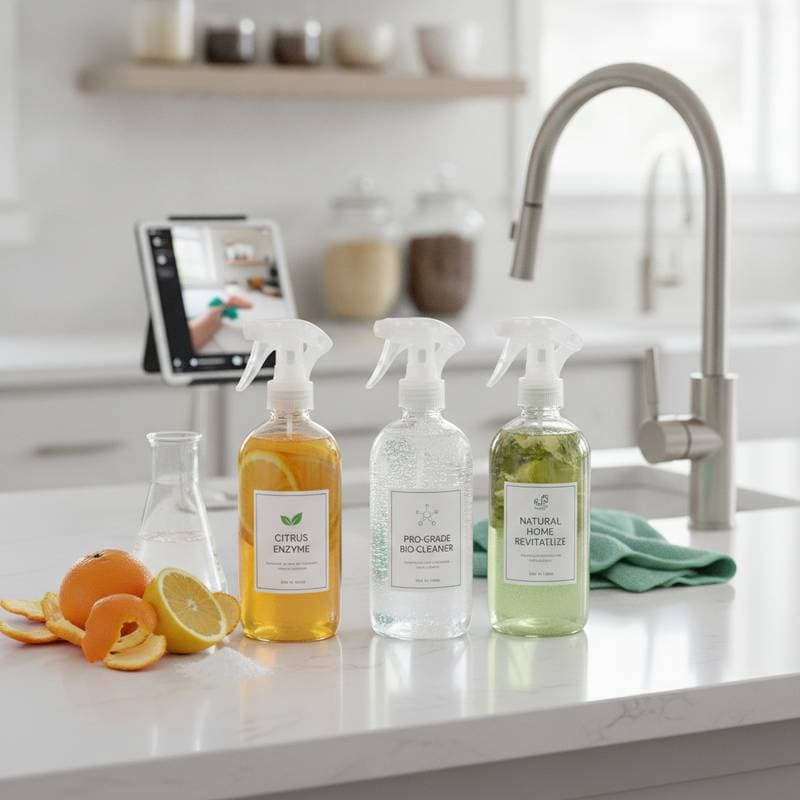
Every so often a cleaning hack takes over social media and makes people rethink the products sitting under their sinks. Right now enzyme cleaners are having a serious moment on TikTok. From DIY enzyme sprays made from citrus peels to professional grade formulas that promise to erase pet odors and kitchen grime these natural cleaners are everywhere. The trend feels both fresh and smart because it offers a way to clean that is effective and eco conscious without the harsh chemical smell many people have come to accept as clean.
This is not just a fad. Enzyme cleaners work differently from most conventional sprays and when used correctly they deliver results that are tough to beat. If a person has ever battled a mystery smell in the fridge a stain that just will not disappear or a pet accident that seems permanent enzyme cleaners might finally be the answer.
What Exactly Are Enzyme Cleaners
Why TikTok Can Not Stop Talking About Them
TikTok creators have turned enzyme cleaning into a full blown movement. Videos show users pouring homemade enzyme solutions made from fruit scraps into spray bottles shaking them up and claiming they can clean everything from stovetops to sneakers. Others share dramatic before and after clips of pet stains disappearing or drains unclogging without chemical drain cleaners.
Part of the appeal is the mix of science and sustainability. These cleaners feel innovative yet old school at the same time. They are rooted in natural processes but deliver professional level results. There is also something satisfying about watching enzymes eat away at grime which fits perfectly into the visual storytelling that makes TikTok so addictive.
Professional organizer and cleaning coach Tara Nguyen says What makes the trend so powerful is that it taps into people desire for real visible results. When someone shows a stain disappearing or a sink sparkling it is instantly convincing. She adds that many of her clients have switched to enzyme based products because they want to reduce chemical exposure without sacrificing performance.
The Science Behind the Clean
To understand why enzyme cleaners work so well it helps to know what types of enzymes they contain. Most formulas use a blend of three main kinds.
- Proteases break down proteins found in food blood and pet messes.
- Amylases target starches like sauces and sugary residues.
- Lipases dissolve fats and oils perfect for kitchen surfaces.
When these enzymes come into contact with organic matter they start breaking it down into smaller molecules that can be easily wiped away or rinsed off. Instead of scrubbing endlessly the cleaner does the heavy lifting.
Dr. Ruiz points out You need to give enzyme cleaners time to work. They are not instant like bleach. Let them sit for at least ten minutes so the enzymes can break down the material fully. Patience is key but the payoff is worth it.
How to Use Enzyme Cleaners in Everyday Life
Enzyme cleaners are surprisingly versatile. Whether a person buys a ready made version or tries a DIY approach there are countless ways to incorporate them into a cleaning routine. Here are some popular uses that both professionals and TikTok users swear by.
1. Freshen Up Carpets and Rugs
Pet owners especially love enzyme cleaners for odor removal. Spray the affected area let it sit for about fifteen minutes then blot with a clean towel. For deeper smells cover the spot with a damp cloth to keep it moist while the enzymes continue working. Once dry vacuum as usual. The result is a fresher cleaner surface without any lingering scent.
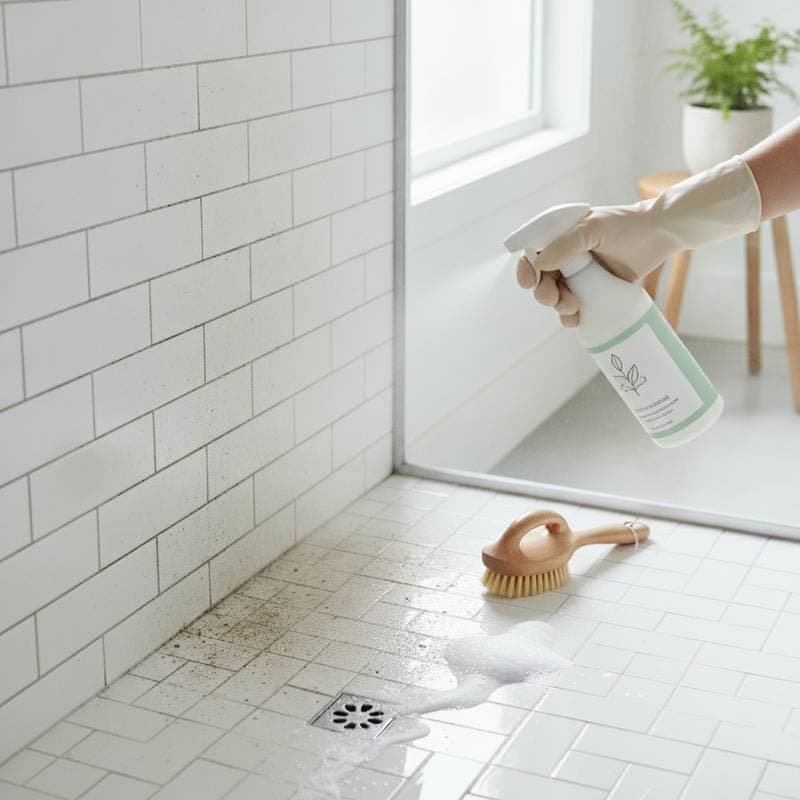
2. Eliminate Bathroom Grime
Bathrooms are full of organic buildup from soap scum to mildew. Enzyme cleaners can help loosen grime around fixtures and tiles. Spray directly onto trouble spots wait ten to fifteen minutes then scrub lightly with a soft brush. The enzymes break down the film that traps dirt leaving behind a smooth residue free finish.
3. Clean Kitchen Surfaces
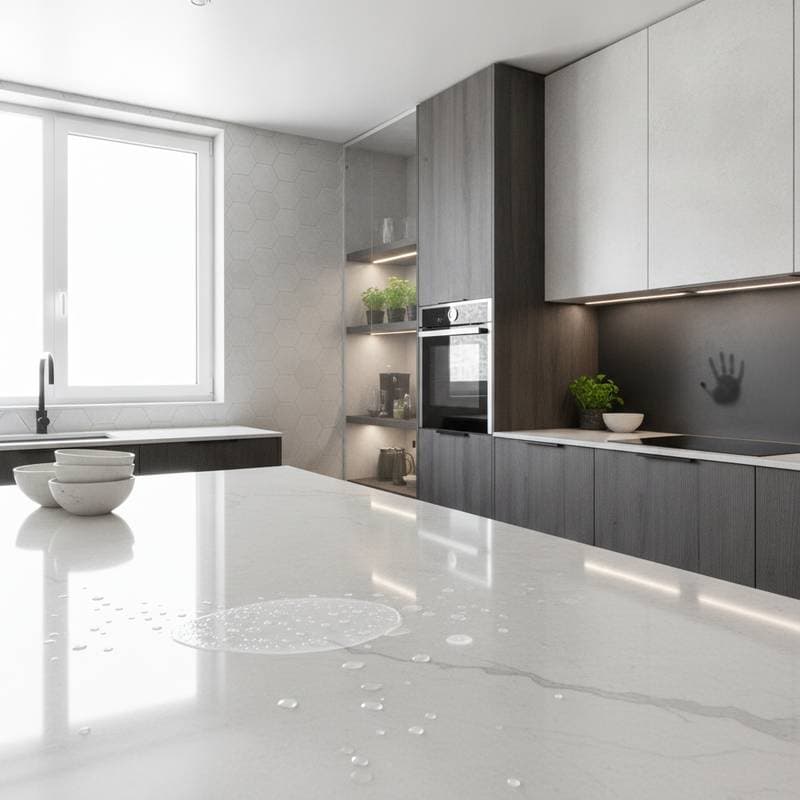
Grease and food residue are no match for enzyme based products. Use them on stovetops counters and even inside refrigerators. A few sprays followed by a damp cloth can lift sticky spots that would normally require harsh cleaners. Just make sure the surface is food safe before applying.
4. Restore Upholstery and Mattresses
If a person has ever spilled coffee or wine on fabric enzyme cleaners can often reverse the damage. Spray lightly let the solution sit for fifteen minutes then blot gently. For larger pieces like mattresses allow extra drying time to avoid moisture buildup.
5. Tackle Laundry Odors
Adding a small amount of liquid enzyme cleaner to a laundry load can help remove tough smells from workout clothes or pet bedding. It breaks down the bacteria causing the odor rather than masking it with fragrance. This trick is especially helpful for anyone sensitive to strong scents.
DIY Enzyme Cleaner Recipes Going Viral
One of the most shared TikTok hacks is the DIY citrus enzyme cleaner. It is eco friendly budget friendly and surprisingly effective. Here is a common recipe that is safe for most surfaces.
Ingredients
- Citrus peels (orange lemon or grapefruit work best)
- Brown sugar
- Water
Instructions
- Combine two cups of citrus peels one cup of brown sugar and four cups of water in a large airtight container.
- Stir until the sugar dissolves then seal tightly.
- Leave it in a warm spot for about two weeks shaking the container every couple of days to help fermentation.
- Strain the liquid into a spray bottle and the enzyme cleaner is ready.
The natural fermentation process produces enzymes that work similarly to store bought formulas. A person can use this homemade version on countertops floors and even glass. The pleasant citrus scent is a bonus.
Cleaning consultant Maya Ferguson recommends testing any DIY cleaner on a small area first. Homemade solutions vary in strength she explains. Start with a small patch to make sure it does not damage the surface. She also suggests storing it in the refrigerator if a person will not use it all at once to slow further fermentation.
Common Mistakes to Avoid
While enzyme cleaners are forgiving a few missteps can reduce their effectiveness.
- Spraying and wiping immediately. Enzymes need time to work. Always let the product sit for at least ten minutes.
- Using on non organic stains. Enzymes target organic matter. They will not work on paint ink or mineral deposits.
- Mixing with bleach or vinegar. These ingredients can deactivate enzymes making the cleaner useless.
- Skipping a rinse. After the enzymes finish breaking down residue wipe with a damp cloth to remove loosened particles.
Nguyen emphasizes that the key to success is understanding what these cleaners can and cannot do. They are not magic but they are incredibly effective when used correctly she says.
Why Enzyme Cleaners Are Worth the Hype
The TikTok buzz may have introduced enzyme cleaners to a wider audience but professionals have relied on them for years. They are used in hospitals restaurants and even waste treatment facilities because they are safe non toxic and efficient. For home use they are a win for anyone wanting a cleaner space without the chemical overload.
What sets this trend apart from other viral cleaning hacks is longevity. Enzyme cleaners produce real results not just camera friendly moments. They leave spaces smelling neutral rather than perfumed and help maintain surfaces without buildup. That makes them a practical upgrade that fits real life.
Practical Steps Toward a Fresher Home
Once a person starts using enzyme cleaners it is easy to see why they have become a staple in so many homes. They simplify cleaning routines reduce the need for multiple products and make everyday maintenance feel less like a chore.
If a person is ready to try the trend start small. Pick one area that consistently frustrates such as the kitchen sink the litter box area or that one carpet spot that never seems completely clean. Give enzymes a chance to do their quiet steady work.
A clean home does not have to smell like chemicals or require hours of scrubbing. Sometimes the smartest solutions come from nature itself and enzyme cleaners are proof of that.