Steam Cleaning Transforms Whole Homes Without Chemicals
Many homeowners continue to rely on chemical cleaners because they believe those products act faster. Steam cleaning often outperforms them while leaving surfaces cleaner for extended periods. Professionals use steam to achieve deep sanitation without leaving any residue.
Common Barriers to Steam Cleaning
A frequent misconception holds that steam cleaning proves complicated or slow. Some assume it works only on carpets or heavy messes. Others view the equipment as costly or difficult to operate. Modern steam cleaners remain simple, safe, and affordable for most households. Habit often presents a greater obstacle than actual difficulty. When a closet already contains multiple spray bottles, switching methods can feel wasteful. Steam cleaning recovers its cost quickly once chemical purchases and disposable supplies cease.
How Steam Cleaning Works
Required Tools and Preparation Steps
A quality steam cleaner includes several attachments. A floor head manages tile, laminate, and sealed wood floors. A small brush reaches grout and corners. A fabric nozzle handles upholstery. A squeegee cleans windows and mirrors. Always read the manufacturer instructions first. Fill the tank with distilled water when possible, because minerals in tap water accumulate inside the machine. Most units heat within a few minutes. Test the steam on a small area before cleaning large surfaces.
Surface Specific Techniques
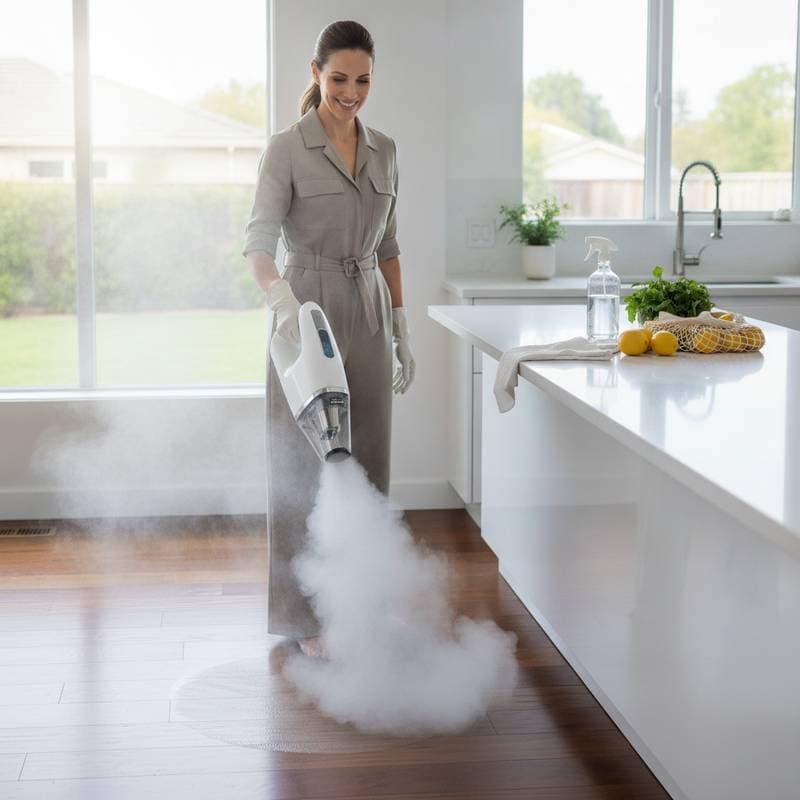
For tile and sealed hardwood floors, move the wide floor head slowly. Allow heat to loosen dirt rather than scrubbing aggressively. If a thick layer of grime exists, pass over the area twice instead of pressing harder. On laminate, limit steam time to avoid excess moisture.
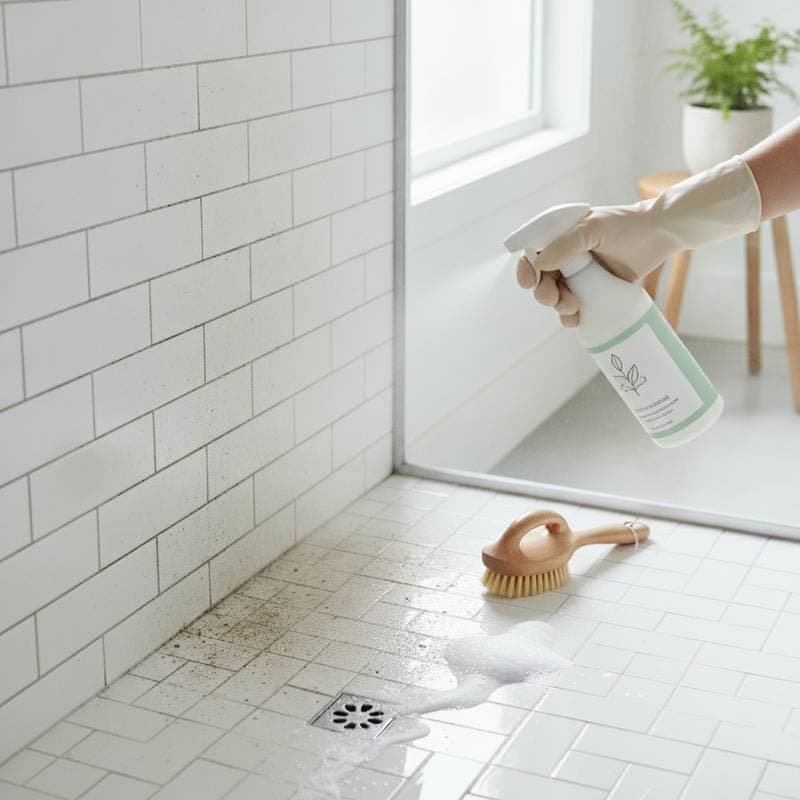
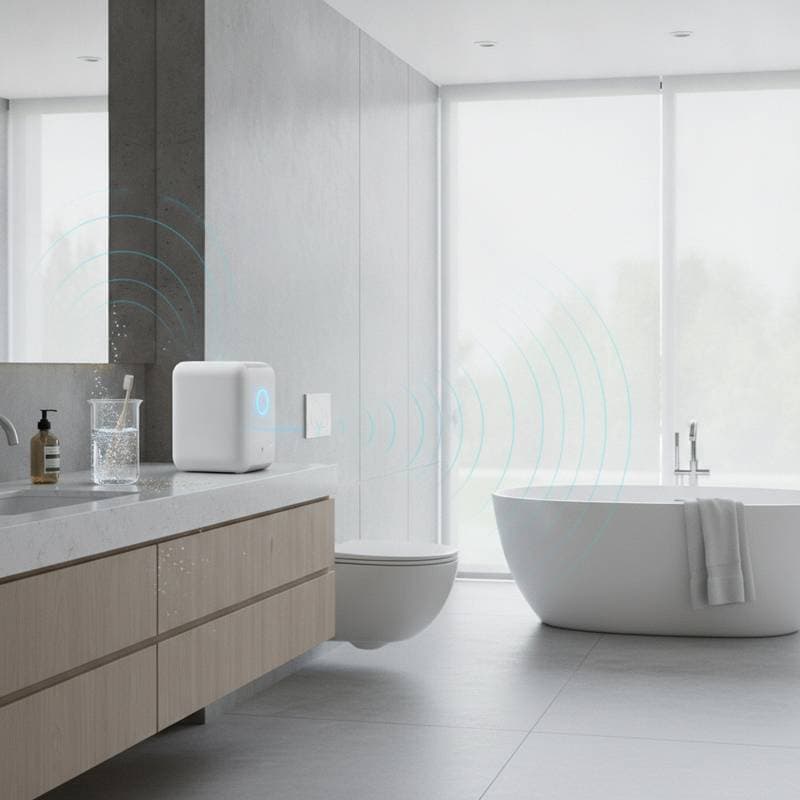
Steam cleaning performs well in bathrooms. It melts soap scum, mildew, and grime that cling to grout and glass. Use the narrow brush attachment around faucets and drains. For stubborn buildup, hold the nozzle close for a few seconds, then wipe loosened residue with a microfiber cloth.
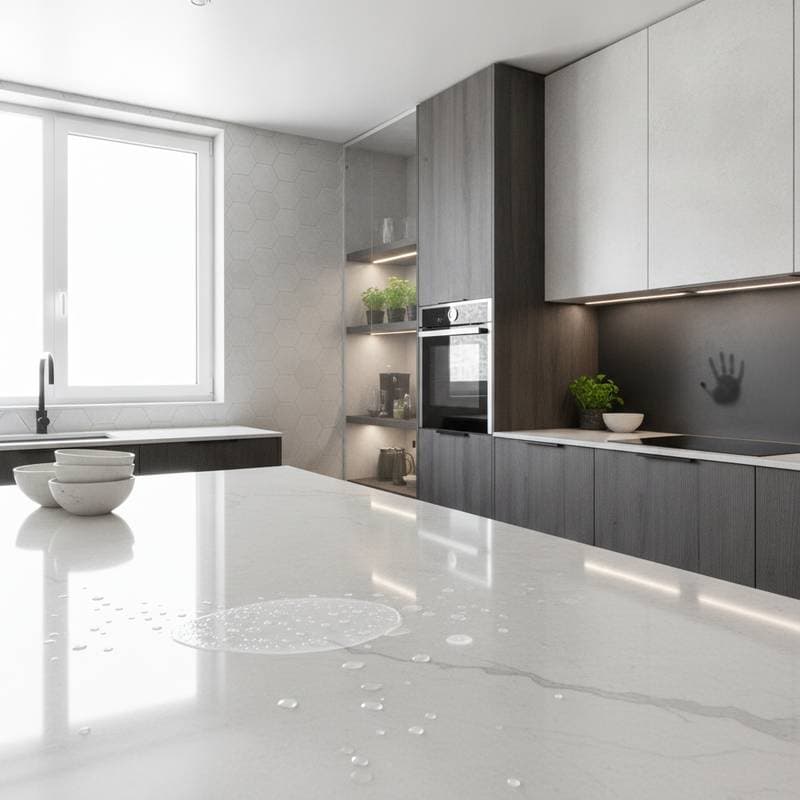
In kitchens, grease around stoves and hoods breaks down quickly. Use the brush attachment, yet remain careful near painted surfaces because steam can soften paint if held too long. For stainless steel appliances, apply the squeegee or a soft cloth to avoid streaks.
Attach the squeegee head for windows and mirrors. Apply steam evenly from top to bottom. Wipe immediately with a clean microfiber towel. The finish appears streak free without glass cleaner.
For upholstery and fabrics, use the fabric nozzle with a protective cloth layer. Steam lifts stains and neutralizes odors, especially from pets. Test on a hidden area first to confirm the fabric tolerates the heat.
Safety Practices and Equipment Care
Steam cleaners remain safe when used correctly, yet the heat reaches high temperatures. Wear closed shoes and keep hands clear of the nozzle. Never aim steam at people, pets, or electrical outlets. After finishing, unplug the unit and let it cool before refilling or emptying the tank.
Empty the water tank after each use. In areas with hard water, run a vinegar solution through the system occasionally to remove mineral buildup. Replace worn brushes or pads as needed because they affect cleaning performance directly.
Advantages of a Truly Chemical Free Method
Many products claim to be eco friendly, yet steam cleaning uses nothing but water and heat. No chemical residue, fumes, or risk of mixing cleaners that could cause irritation remains. The approach suits homes with children, pets, or anyone who experiences allergies or respiratory sensitivities.
Steam cleaning reduces plastic waste from bottles and packaging. Ongoing costs stay limited to water and electricity after the initial purchase.
Situations That Benefit From Professional Equipment
Most cleaning tasks can be handled at home. Professional steam cleaning becomes worthwhile for carpets with deep stains or odors because commercial equipment reaches deeper into fibers. Heavy mold growth behind caulk lines may require repair in addition to cleaning. Steam sanitizes surfaces well yet does not correct underlying moisture problems.
Practical Habits That Improve Results
Remove loose dust and debris with a vacuum before steaming. Microfiber cloths capture loosened dirt without spreading it. Work in small sections so surfaces do not cool before wiping. Keep attachments clean because dirty brushes spread grime. Let steam, pressure, and heat perform the work instead of applying force.
Maintaining Cleaner Homes Over Time
Consistent steam cleaning reduces the frequency of deep cleans required. Surfaces stay presentable with less effort once residue no longer accumulates. Households that adopt this method report fewer chemical purchases and simpler storage needs. Over months and years, the approach supports both cleaner living spaces and lower maintenance demands.