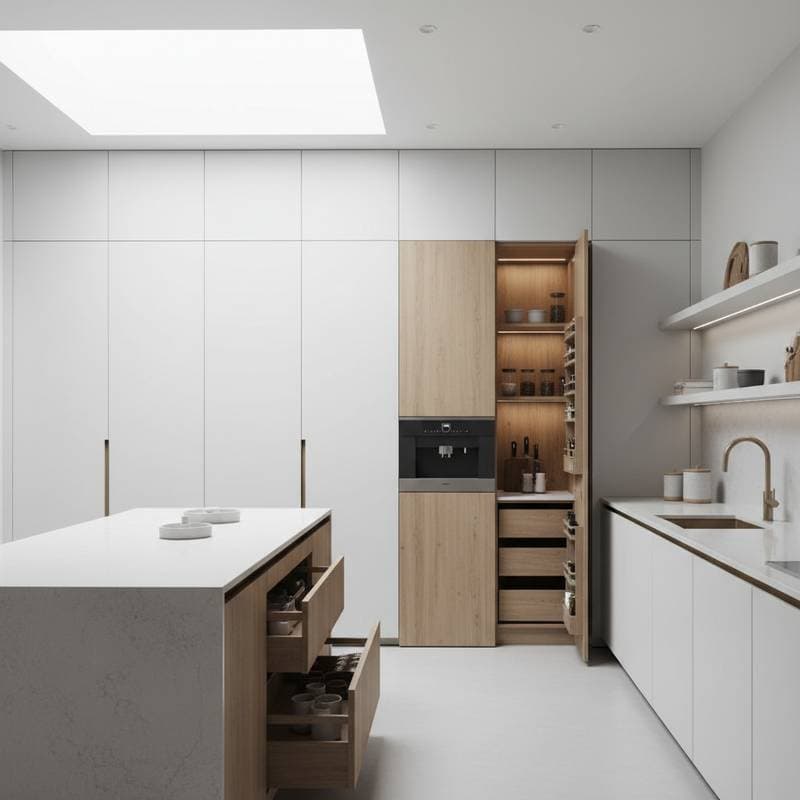
Self-Cleaning Kitchen Materials That Reduce Daily Maintenance
Kitchen surfaces that resist stains and grime offer practical relief for busy households. These materials address the constant challenge of maintaining clean counters, cabinets, and floors without requiring constant attention. Modern options combine durability with easier upkeep, allowing homeowners to focus on cooking rather than cleaning.
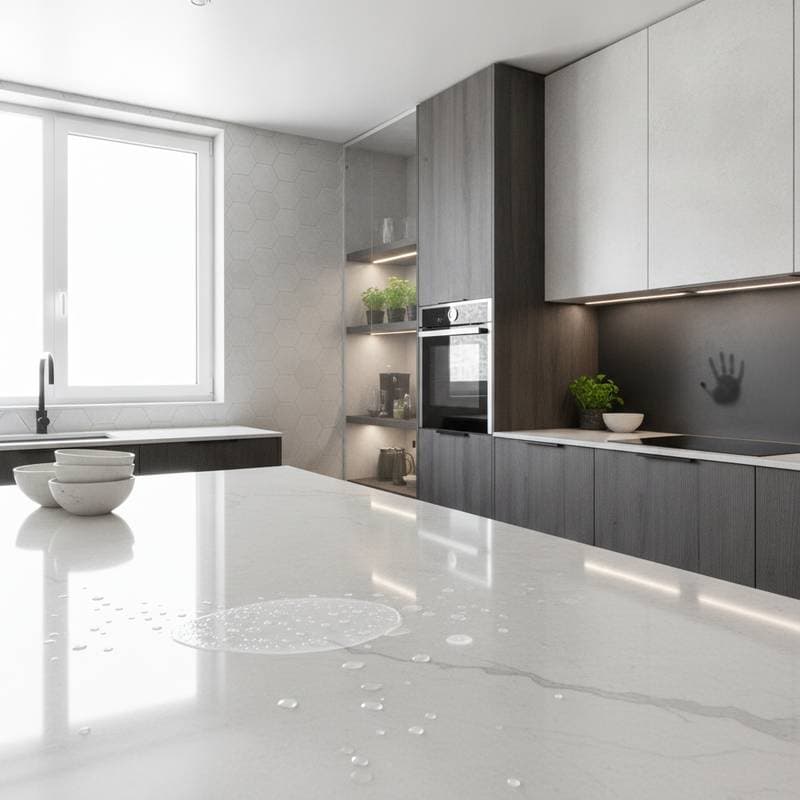
The technology behind these surfaces varies by material type. Some repel liquids through hydrophobic coatings that cause water and oils to bead on the surface. Others incorporate antimicrobial agents that limit bacterial growth. Dense, nonporous construction prevents liquids from penetrating and creating permanent stains.
Material Performance Across Kitchen Applications
Porcelain slabs provide excellent resistance to common kitchen substances. Their nonporous structure handles wine, coffee, tomato sauce, and oil without absorption. Large-format panels reduce the number of grout lines, which eliminates common collection points for food particles and moisture. These slabs also withstand heat from hot pans and resist scratching from daily use.
Strategic Placement for Maximum Benefit
Countertops receive the most direct contact with food preparation activities. Porcelain, sintered stone, or properly sealed quartz surfaces minimize staining in these high-use areas. Each material handles different types of spills and requires specific cleaning approaches.
Backsplashes behind cooktops accumulate grease and food particles. Full-height porcelain panels or glass surfaces eliminate grout lines that trap residue. This approach reduces the scrubbing needed to maintain clean vertical surfaces near cooking areas.
Cabinet doors near preparation zones collect fingerprints and splashes. Matte laminate finishes or treated acrylic surfaces allow easier cleaning compared to traditional wood finishes. The choice depends on the specific traffic patterns in each kitchen.
Sinks require materials that handle constant moisture exposure. Composite granite and high-grade stainless steel resist staining when maintained with mild soap solutions. Both materials withstand daily use without developing permanent discoloration.
Flooring choices affect overall kitchen maintenance requirements. Dense porcelain tile handles spills without absorption and requires less frequent deep cleaning than natural stone options. The material choice should account for foot traffic levels and spill frequency.
Installation Quality and Long-Term Performance
Edge finishing and joint sealing determine how well surfaces perform over time. Even premium materials can create cleaning challenges when installation leaves gaps or uneven seams. Proper fabrication around sinks, cooktops, and corners prevents moisture infiltration and simplifies routine cleaning.
Testing surfaces with actual kitchen substances provides realistic performance data. Coffee stains may not reveal how a material responds to turmeric, red wine, or cooking oils. Homeowners should request samples and conduct tests with ingredients they use regularly.
Budget considerations include both initial costs and ongoing maintenance expenses. Premium materials often cost more upfront but reduce the need for sealing treatments and specialized cleaning products. The total cost of ownership may favor higher-quality options over time.
Practical Implementation Strategies
Wet preparation areas benefit from dedicated zones with appropriate surface materials. This approach contains moisture and food particles to specific areas rather than allowing them to spread across the entire kitchen. Storage placement for frequently used items also reduces cross-contamination between clean and dirty surfaces.
Ventilation systems remove moisture and cooking odors that can affect surface condition over time. Proper airflow prevents condensation on cabinets and walls while reducing the buildup of grease particles on vertical surfaces.
Selecting Materials for Specific Household Needs
Households with children may prioritize materials that withstand frequent spills and rough handling. Busy professionals might focus on surfaces that maintain appearance with minimal daily attention. The selection process should match material characteristics to actual usage patterns.
Color and texture choices affect both maintenance requirements and visual integration with existing design elements. Lighter colors may show stains more readily but create brighter kitchen environments. Darker options hide some marks but can make fingerprints more visible on glossy surfaces.
Maintenance Requirements and Realistic Expectations
Self-cleaning surfaces still require regular attention, though the frequency and intensity of cleaning decrease compared to traditional materials. Manufacturers provide specific guidelines for approved cleaning products and methods. Following these recommendations preserves protective coatings and maintains warranty coverage.
Abrasive cleaners and harsh chemicals can damage surface treatments even on premium materials. Mild soap solutions and appropriate cleaning tools protect finishes while removing everyday soil. Understanding these limitations prevents premature wear and maintains surface performance.
Making Informed Material Decisions
Professional installation ensures proper sealing and joint treatment that affects long-term performance. Experienced fabricators understand how different materials respond to cutting, drilling, and edge finishing. Their expertise prevents common installation errors that create future maintenance problems.
Sample testing under actual kitchen conditions provides the most reliable performance information. Homeowners should evaluate materials with the specific substances and cleaning routines they use regularly rather than relying solely on manufacturer specifications.