Introduction to Hidden Kitchen Walls
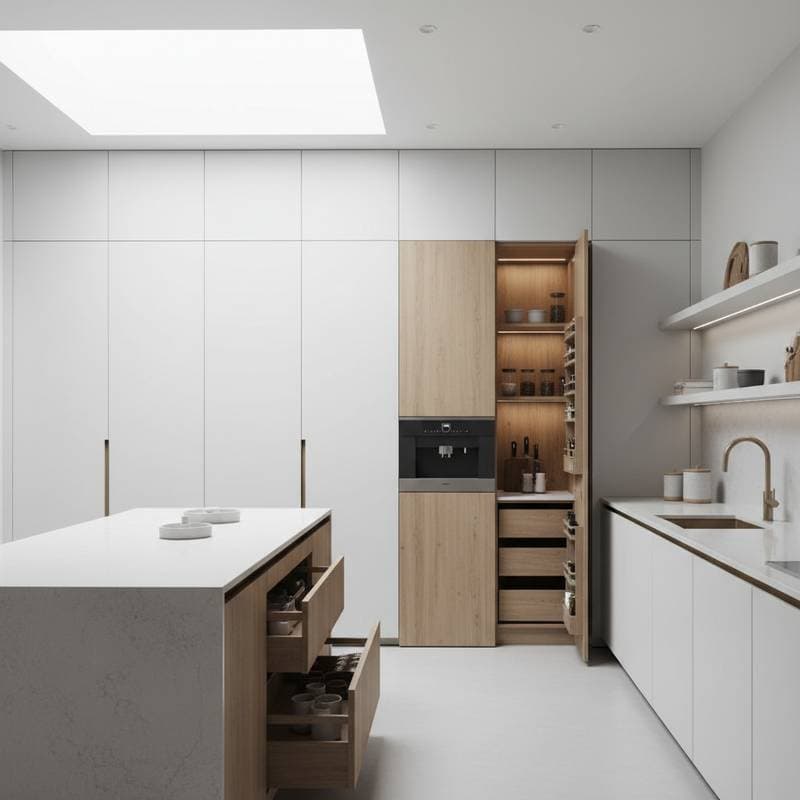
In modern home design, kitchens serve as the heart of daily life, yet they often suffer from limited storage and visual clutter. Hidden kitchen walls address these issues by incorporating seamless, concealed storage that integrates directly into the architecture. This method allows homeowners to maintain a minimalist appearance while accessing ample organization for tools, appliances, and pantry items.
The appeal lies in the balance of form and function. These installations use precise engineering to ensure panels blend invisibly with surrounding walls, creating an illusion of open space. As a result, kitchens feel larger and more inviting, aligning with the wellness-focused trends of 2026.
Essential Materials for the Project
To construct hidden kitchen walls, select durable and aesthetically compatible materials. Cabinet boxes or custom panels form the core structure, providing a sturdy base for storage compartments. Incorporate track hardware for sliding panels to enable smooth operation, along with robust hinges for swing-out designs.
Strategic Planning for Effective Storage
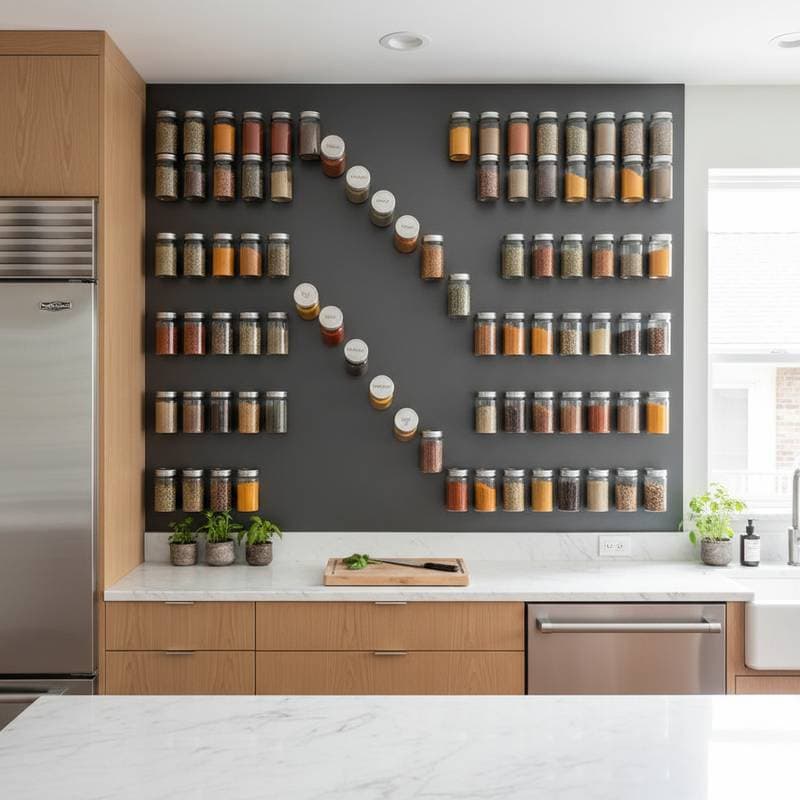
Begin the process by evaluating your kitchen layout to pinpoint underutilized vertical spaces. Areas above countertops, adjacent to dining areas, or behind appliances like refrigerators offer prime opportunities for shallow recessed cabinets. For instance, install a panel behind the refrigerator to store flat items such as baking sheets, cutting boards, or spice racks, keeping the primary workspace clear.
Consider your daily routines to customize the design. Frequent bakers benefit from hidden drawers near the oven, stocked with measuring tools and dry ingredients. Families with constant snacking habits gain from a concealed pantry integrated via sliding panels close to the refrigerator. This zoning approach ensures storage supports actual usage patterns, enhancing efficiency without overwhelming the space.
Measure precisely and sketch detailed plans, accounting for door swings, appliance clearances, and traffic flow. Consult building codes early to confirm compliance, especially in older homes where wall depths vary.
Avoiding Frequent Installation Errors
Experience in custom cabinetry reveals that subpar hardware and inadequate ventilation rank as primary causes of project failures. Opt for premium hinges and tracks engineered for repeated use, as inferior options lead to sagging or sticking over time. Invest in these components to guarantee longevity and reliability.
When hiding heat-generating appliances, such as coffee makers or microwaves, prioritize airflow to avoid damage. Install discreet vents or fans to dissipate warmth, protecting both equipment and surrounding woodwork from warping or discoloration. Regular checks during installation help identify issues before they escalate.
Overlooking accessibility can also hinder functionality; ensure hidden compartments feature ergonomic pulls or magnetic latches for easy access, even in tight spaces.
Knowing When to Hire Experts
Certain aspects of hidden wall installations demand professional intervention to ensure safety and adherence to regulations. If the project requires relocating electrical outlets, plumbing lines, or altering load-bearing walls, engage a licensed contractor immediately. These modifications involve structural integrity and electrical codes that exceed typical DIY capabilities.
Electricians handle wiring for integrated lighting or powered components, while carpenters specialize in precise cuts and reinforcements. Professionals bring tools and expertise to navigate challenges like uneven walls or hidden utilities, ultimately saving time and preventing costly repairs.
Expert Tips for Flawless Execution
-
Verify Movement Early in the Process. Assemble and test panel mechanisms before applying final finishes to confirm smooth operation and make necessary tweaks.
-
Maintain Material Consistency. Align wood grain patterns and finishes across panels and walls to sustain the seamless, unbroken surface illusion.
-
Incorporate Strategic Lighting. Embed LED strip lights within compartments to illuminate contents upon opening, improving usability and adding a modern touch.
-
Select Durable, Low-Maintenance Finishes. Choose wipeable surfaces like sealed wood or laminate, as concealed areas accumulate dust and require occasional cleaning.
-
Incorporate Soft-Close Features. Add dampers to hinges and tracks to prevent slamming, preserving the quiet, spa-like atmosphere of the kitchen.
-
Document the Layout. Create a simple diagram or app-based record of hidden storage locations to avoid forgetting access points over time.
Bringing Hidden Storage to Life
Implementing hidden kitchen walls empowers homeowners to master their space through thoughtful design and execution. Select quality materials, map out personalized zones, and apply these techniques to start with a single feature, such as a recessed spice panel. As you refine the system based on real-world use, expand to additional walls, gradually building a kitchen that operates effortlessly behind its composed facade.
This investment yields lasting benefits: reduced clutter, streamlined workflows, and a tranquil environment that elevates everyday cooking into a pleasurable ritual. Embrace this innovative approach to unlock the full potential of your kitchen in 2026.