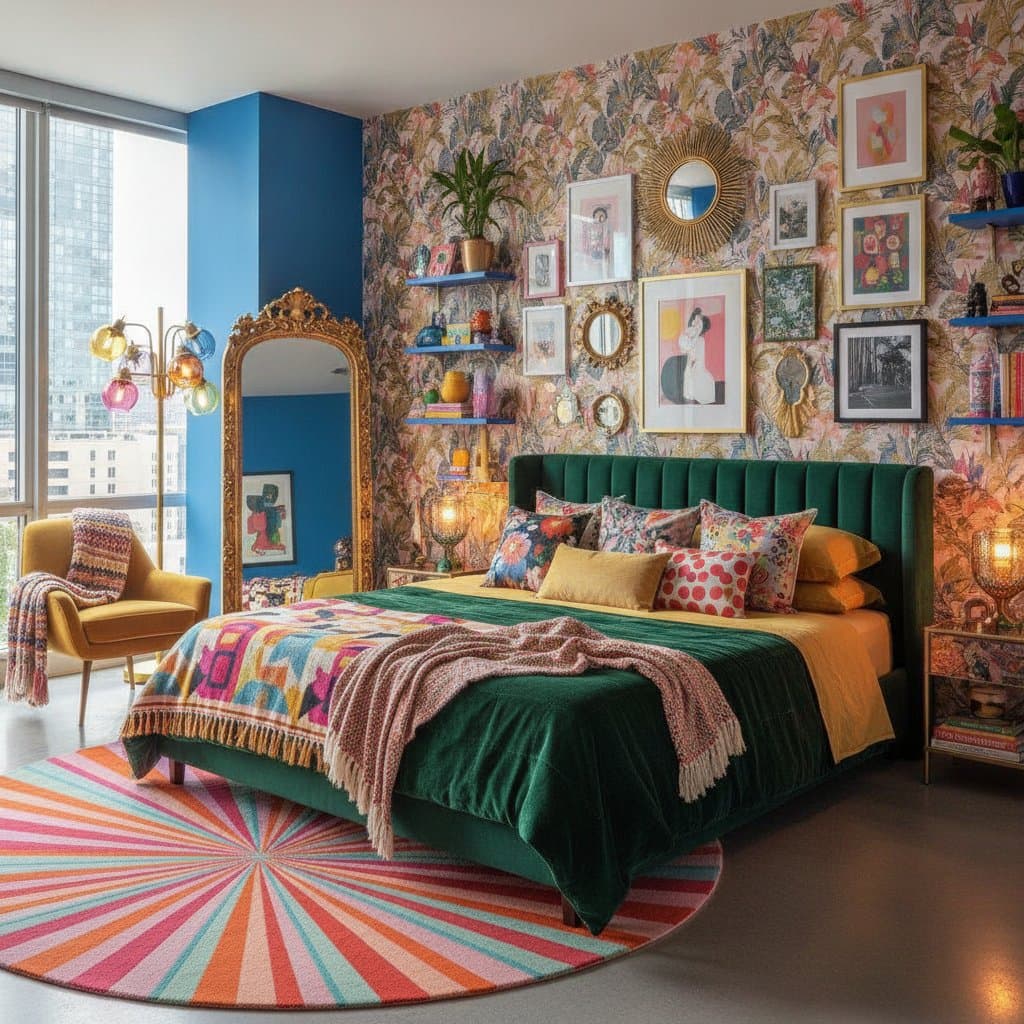
Gen Z's Embrace of Grandmillennial Style in Dining
If you have scrolled through social media lately and noticed younger homeowners setting their tables with lace tablecloths, floral china, and ornate silverware, you are not imagining things. Gen Z is embracing what design insiders call grandmillennial style, and nowhere is this revival more apparent than in the dining room. This aesthetic blends vintage charm with modern sensibility. It serves as a direct reaction to the minimalist trends that have dominated interiors for years.
Why Minimalism Lost Its Appeal
More young homeowners are abandoning all-white dining rooms because they seek emotional connection. Minimalist interiors may look clean in photos, but they often feel sterile in person. After years of eating at sleek tables with no character, many people crave the comfort of spaces that remind them of family gatherings. The grandmillennial look offers that in abundance. It celebrates imperfection, layering, and personal history rather than sameness.
What This Style Actually Involves
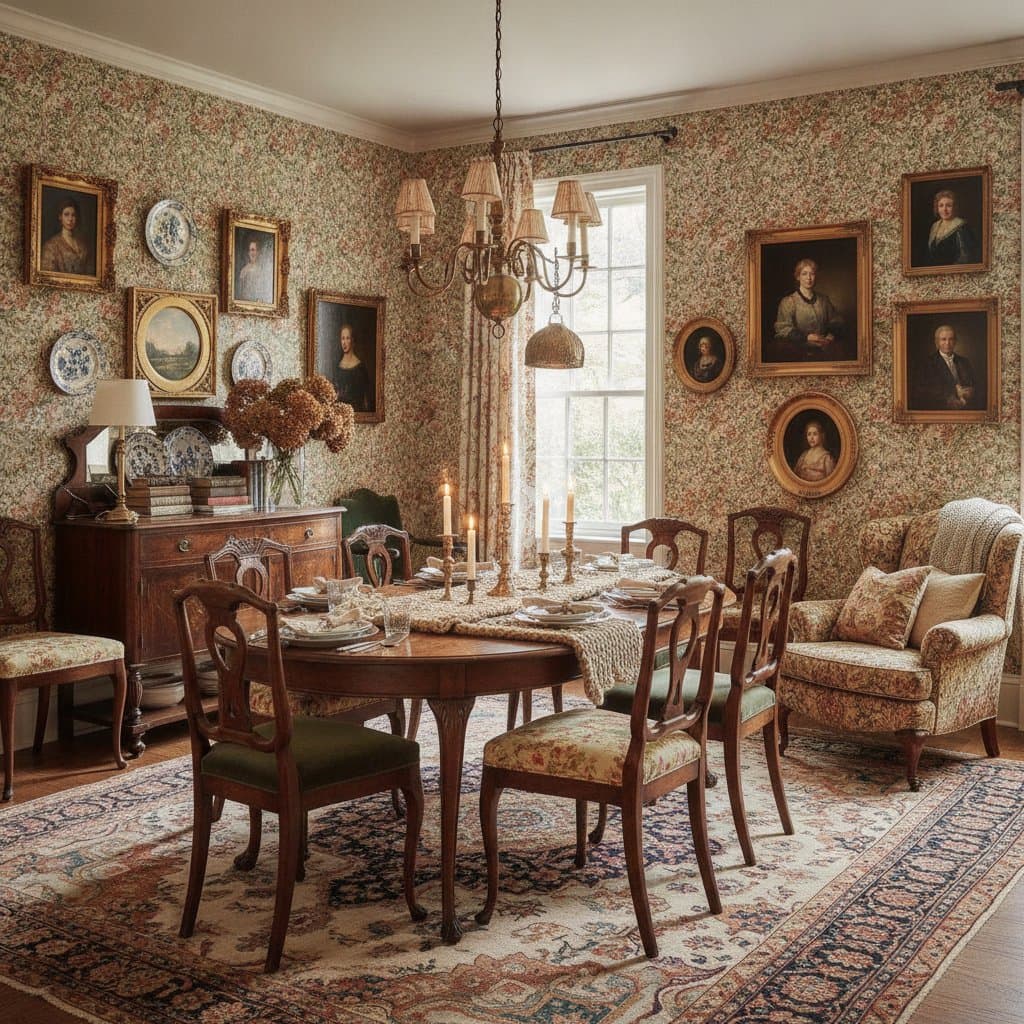
At its core, grandmillennial design is about mixing traditional elements with a fresh perspective. Imagine antique china paired with modern glassware, or a carved wooden buffet holding a collection of mismatched candlesticks. This style does not require a full renovation. It thrives on curated layering rather than coordinated perfection.
Common elements include:
- Patterned wallpaper with floral or toile prints
- Vintage dining sets refinished in bold paint colors
- Embroidered linens and cloth napkins
- Collected dishware displayed openly instead of hidden
- Warm lighting from lamps or chandeliers rather than recessed fixtures
The goal is to create a room that feels lived-in and loved, not staged for show.
Practical Ways to Bring It Home
Before you start buying vintage china by the box, take stock of what you already have. Many families still store heirloom pieces in cabinets or attics. Instead of chasing trends, find ways to use those items again. A set of old silver-plated utensils may need polishing, but once restored, it instantly adds authenticity.
For seating, consider mixing chairs of different styles. A few mismatched wooden chairs can make a dining space feel inviting rather than overly composed. Paint them in complementary tones, then tie them together with matching cushions.
Lighting plays a huge role in pulling this look together. Swap cold LED fixtures for warmer bulbs. Add a lamp on a sideboard or hang a statement chandelier. The key is softness. You want a glow that flatters people and food alike.
Why Gen Z Connects With It
The biggest reason younger homeowners gravitate toward this maximalist dining approach is sustainability. Grandmillennial style values reuse and restoration over replacement. Buying vintage furniture, reupholstering chairs, or rescuing old tableware from thrift shops not only saves money but also prevents waste.
There is also a nostalgic pull. Many Gen Z homeowners grew up visiting grandparents whose homes were layered with history. Bringing that feeling into their own dining rooms is both comforting and expressive. It tells a story about continuity, family, and appreciation for craftsmanship.
Avoiding Common Mistakes
One of the easiest ways to go wrong with this look is clutter. Maximalism does not mean chaos. Every item should have purpose and harmony. Keep surfaces tidy, and let standout pieces shine. Another mistake is skipping balance. If your wallpaper is busy, choose simpler drapery. If your table is ornate, keep the centerpiece restrained.
Avoid overmatching. Part of the charm comes from slight mismatches that look collected over time. When everything looks too new, the soul of the style disappears.
Creating Your Ideal Dining Experience
The beauty of grandmillennial dining is that it welcomes personalization. You can blend inherited treasures with new finds, or pair vintage crystal with handmade pottery. Start small with table linens or lighting before moving to bigger changes like wallpaper or furniture refinishing.
A lived-in dining space invites conversation and connection. Whether you host family dinners or casual brunches, this style sets the stage for warmth and memory. Take the time to curate pieces that speak to you, care for them properly, and enjoy how they turn every meal into an occasion.