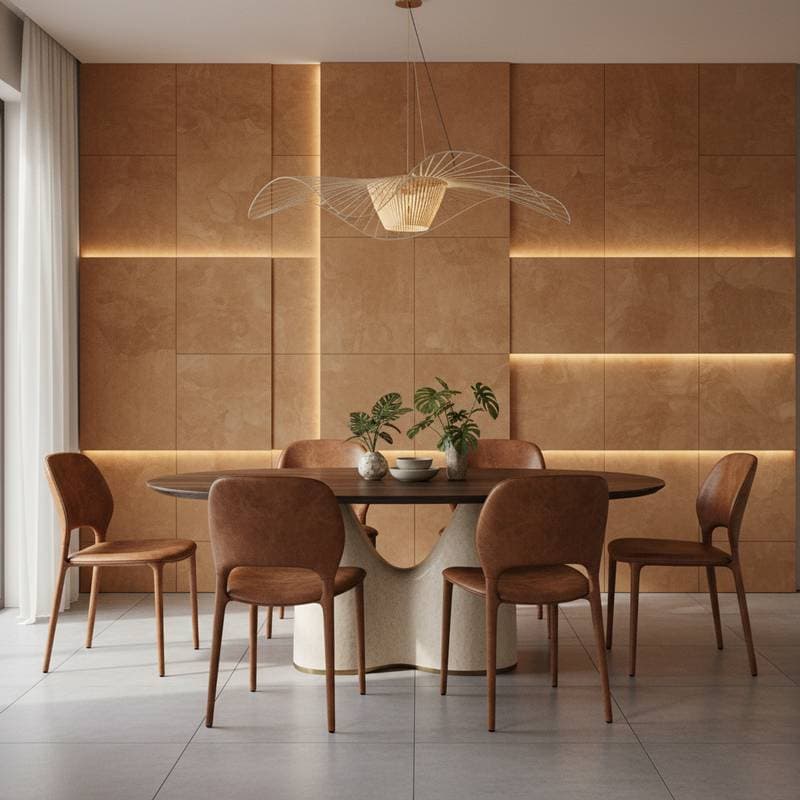
Magnetic Modular Walls Transform Small Dining Rooms
Small dining rooms often serve multiple roles throughout the day. Homeowners need space for meals, work, and gatherings without permanent fixtures that reduce flexibility. Magnetic modular wall systems address this challenge by allowing quick adjustments to room layouts.
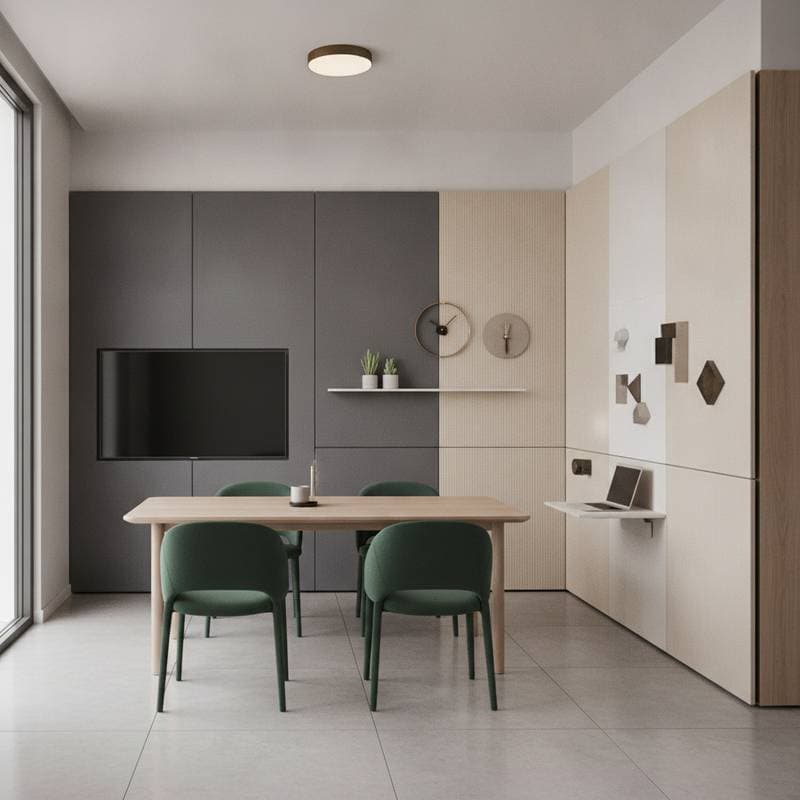
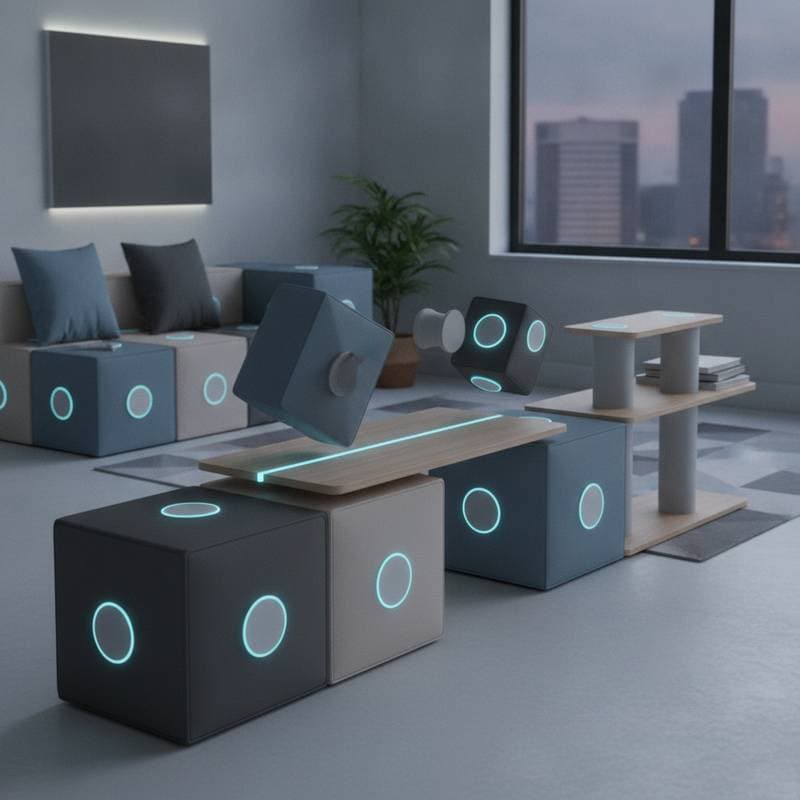
These lightweight panels connect through magnetic strips. Users can slide, fold, or detach them to match changing needs. The result is a dining area that expands for guests or contracts for daily routines.
Challenges in Compact Dining Areas
Limited square footage creates practical issues. Oversized tables block pathways. Clutter accumulates when the same surface handles mail, laptops, and meals. Interior designer Carla Nguyen notes that small dining rooms must perform double duty without heavy furniture or fixed walls.
Core Components of Magnetic Systems
Systems typically include base panels, corner connectors, and optional add-ons such as shelves or lighting. Finishes range from fabric to wood veneer, glass, and metal. Some panels absorb sound or accept writing surfaces.
Panels rearrange without tools. Two or three units form a nook for meals. Additional panels extend the zone for larger groups. When not in use, they store flat against a wall or under furniture.
Designer Mateo Ruiz highlights the appeal for renters. No drilling or construction is required, which preserves lease agreements.
Practical Advantages
Flexible division offers several benefits:
- Visual separation without loss of light or airflow.
- Rapid layout changes measured in minutes rather than hours.
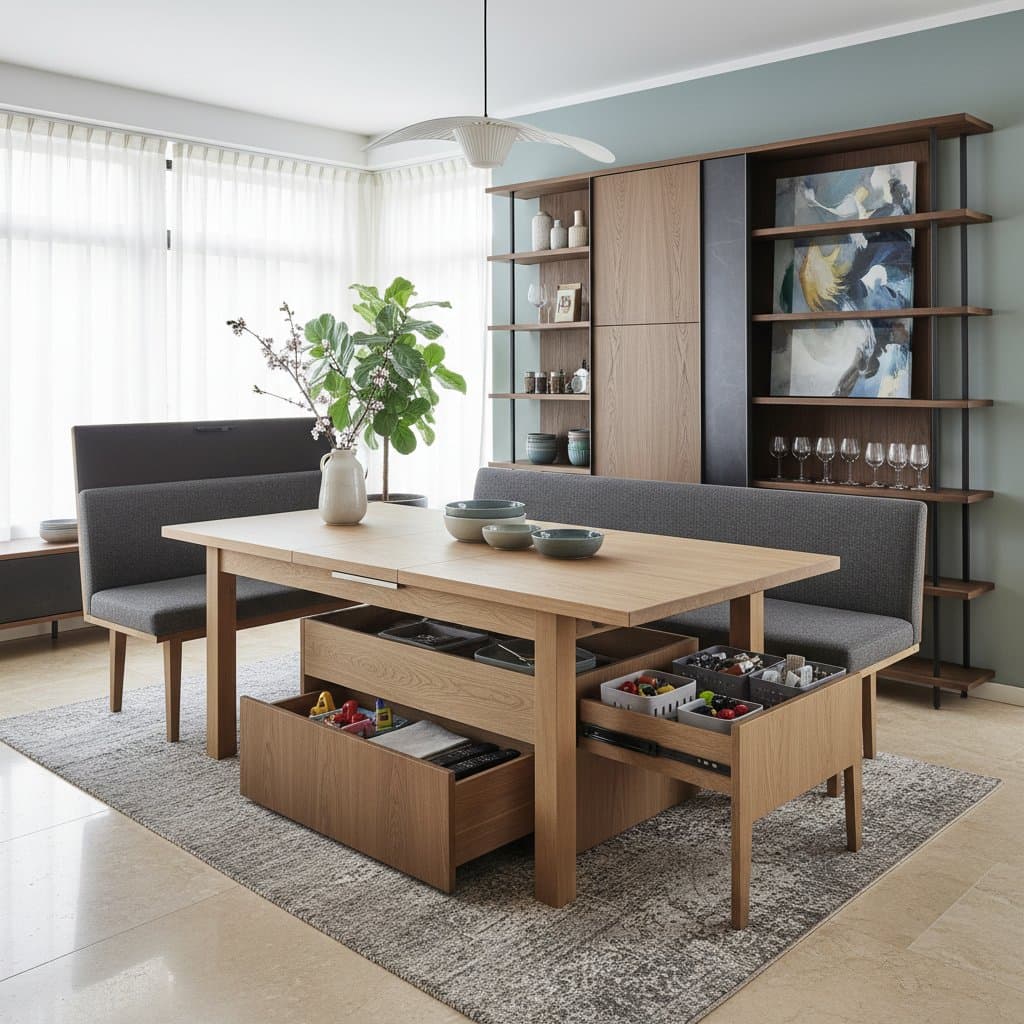
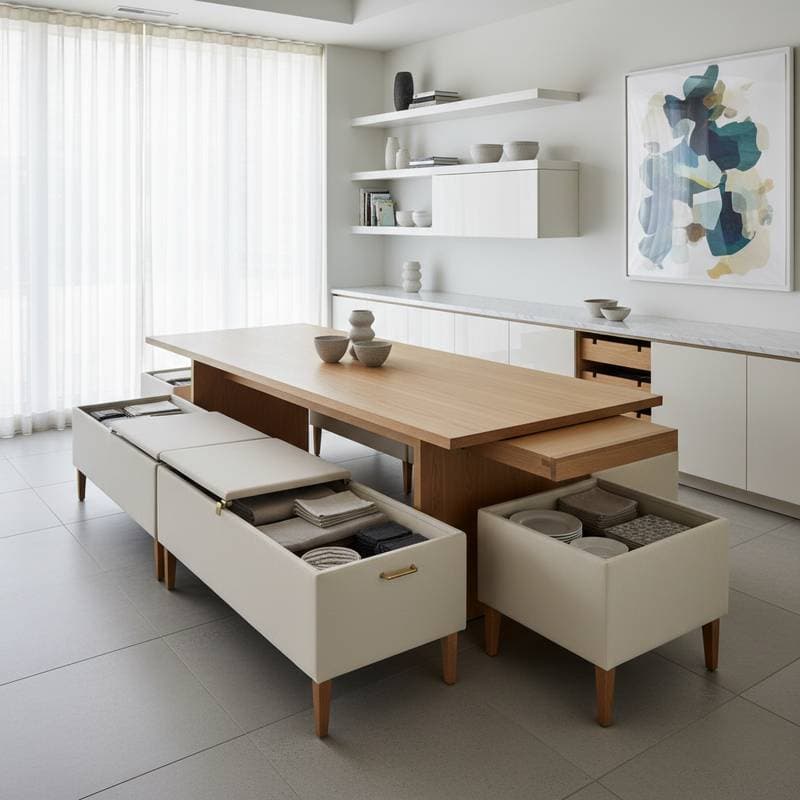
- Flat storage that frees floor space.
- Accessory options that add storage or illumination.
- Finish choices that match existing decor.
Design consultant Lila Brooks emphasizes that these walls adapt to residents instead of forcing residents to adapt to fixed structures.
Configuration Options
Define a Central Zone
Position two angled panels around a table in an open-plan room. Fabric finishes reduce echo during conversations. Integrated shelves hold serving pieces and keep the area organized.
Accommodate Guests
Shift panels outward to borrow space from an adjacent living area. Extra panels stored nearby allow quick expansion. This creates privacy from the kitchen while increasing seating capacity.
Switch Between Work and Meals
Place panels to screen the table during work hours. Dual-sided finishes let one surface function as a bulletin board. Removal restores the dining atmosphere in seconds.
Incorporate Storage and Lighting
Magnetic accessories attach directly to panel faces. Narrow shelves display plants or candles at eye level. LED strips clip along edges to provide focused illumination without cords.
Separate Shared Spaces
Translucent panels divide dining areas from kitchens while preserving light. Renters gain defined zones without permanent alterations.
Selection Criteria
Fabric panels suit noisy environments but require regular dusting. Wood veneers add warmth in modern settings. Glass reflects light in tight quarters. Metal options support repeated accessory changes.
Heights between four and six feet balance privacy and openness. Stable bases and strong magnets prevent tipping during use. Finishes should coordinate with surrounding colors and textures.
Low-Cost Entry Points
Purchase single panels to test configurations before committing to a full set. DIY versions use plywood and adhesive magnetic tape covered in fabric. Secondhand office dividers from resale sources can be refinished for residential use.
Ongoing Maintenance
Wipe surfaces weekly to prevent buildup. Inspect connections monthly and adjust as needed. Rotate panels exposed to sunlight to avoid uneven fading. Review traffic patterns every few months and reposition accordingly.
Carla Nguyen observes that adaptable spaces evolve naturally with household routines. Magnetic systems support this evolution without irreversible decisions.