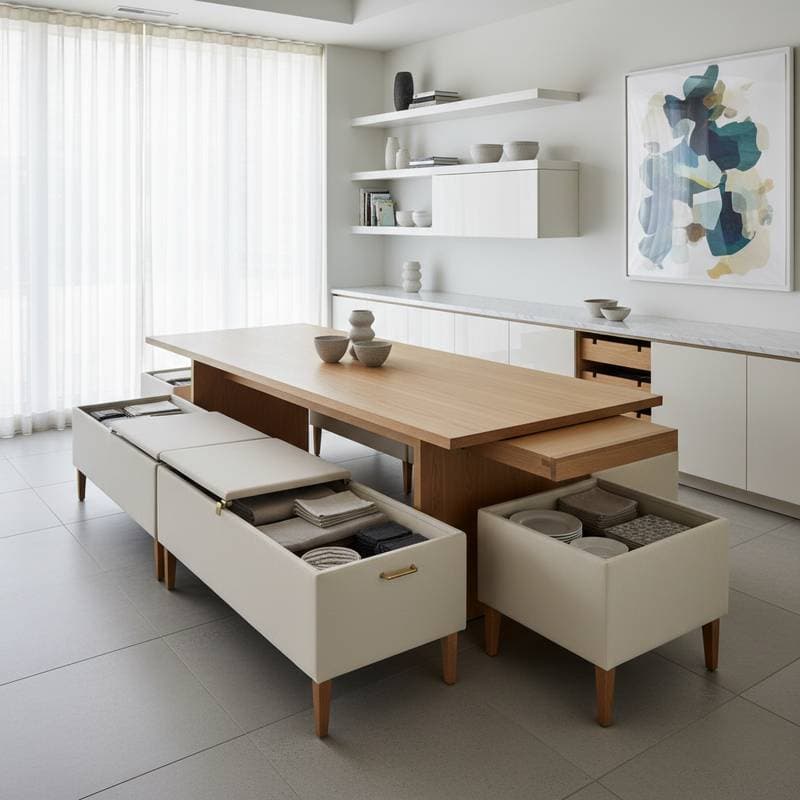
The Emergence of Mushroom Leather in Dining Design
Dining trends evolve with the seasons. One season features polished marble surfaces, while the next emphasizes rustic reclaimed wood. A more subtle transformation now influences interiors: mushroom leather, also known as mycelium leather, emerges as a compelling innovation. This material combines sustainability, aesthetic appeal, and adaptability, making it ideal for dining areas that demand both functionality and visual harmony.
Understanding Mushroom Leather
Mushroom leather derives from mycelium, the underground network of fungal roots. Cultivated in controlled environments, mycelium develops into a flexible, sheet-like form that designers process to resemble traditional leather. The resulting surface offers a soft yet resilient texture, available in finishes from smooth to lightly textured. Breathable by nature and fully biodegradable, it appeals to those seeking stylish options with minimal environmental impact.
Suitability for Dining Environments
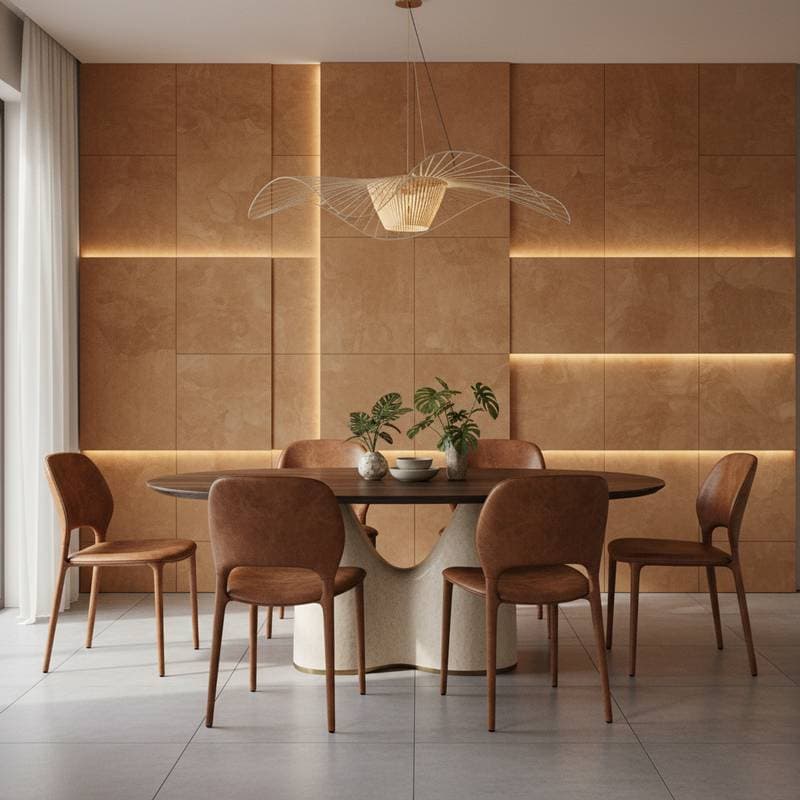
Dining rooms require spaces that balance invitation with sophistication, utility with artistry. Mushroom leather fulfills these needs effectively. When applied to chairs, it delivers a premium seating experience that feels substantial without excess ornamentation. For those concerned about spills on synthetic covers or damage to fine textiles, this material provides a practical alternative. It repels moisture, cleans with ease, and develops a patina over time rather than deteriorating.
Applications extend beyond seating to include banquette upholstery, table accents, and architectural elements like wall coverings. Consider a mycelium panel in a warm amber hue positioned behind a central table; it diffuses ambient light gently, enhancing intimacy. This understated elegance elevates the room, fostering a sense of refined tranquility over ostentatious display.
The Deeper Impact of Sustainability
Sustainability often appears distant until integrated into daily routines. Surrounding a meal with earth-friendly materials alters the atmosphere profoundly. Mushroom leather embodies renewal, contrasting with resource-depleting practices. Homeowners value this narrative, which resonates emotionally alongside its physical attributes.
True sustainability transcends superficial trends. This material endures through years of use and decomposes harmlessly at end-of-life, free from persistent pollutants. Such lifecycle integrity complements the communal essence of dining, where shared moments align with mindful choices.
Adapting to Diverse Styles
Mushroom leather accommodates various design philosophies, defying assumptions of limited versatility.
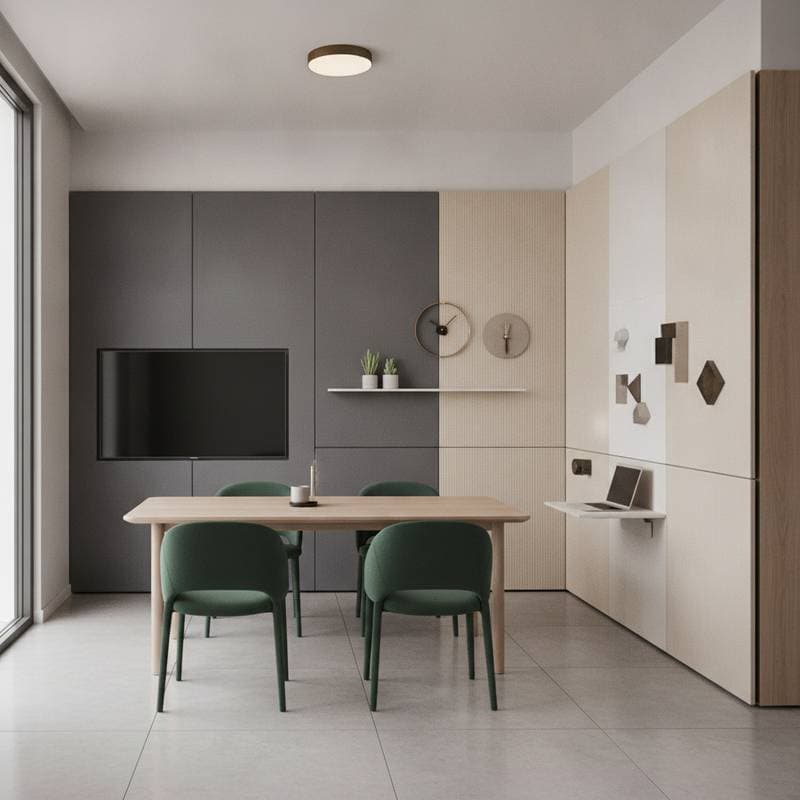
- Contemporary Simplicity: Opt for neutral shades like charcoal or rich brown on streamlined chairs alongside a light wood table. The pairing creates a sleek, anchored look.
- Timeless Refinement: Select golden or neutral tones to add warmth in formal settings, maintaining balance without dominance.
- Layered Eclecticism: Use earthy hues with natural fibers such as rattan or cotton, evoking a curated, comfortable vibe.
Focus on textural interplay for success. The material's inherent variation harmonizes with elements like timber and rock, prioritizing sensory depth over uniform polish.
Practical Maintenance Strategies
Upkeep remains straightforward. Wipe surfaces with a damp cloth and gentle cleanser as needed. Unlike animal-derived leather, it requires no periodic treatments and resists cracking from exposure. In case of food or beverage accidents, absorb excess promptly; most stains lift without residue. Apply a stain-repellent coating to high-traffic items like chairs for added protection, though many variants include built-in resistance.
As a biological product, shield it from prolonged direct sun to maintain vibrancy. Otherwise, it withstands regular family life, offering sophistication free from constant worry.
Integrating Mushroom Leather into Your Home
Incorporating mushroom leather signals commitment to progressive design principles. It honors ecological balance, skilled production, and enduring beauty. Future gatherings in such spaces may inspire authentic discussions on responsible living.
Begin enhancements with upholstery updates. Replace outdated coverings with mycelium alternatives to experience enhanced comfort and ethical alignment right away.