Effective Hidden Storage Solutions for Organized Dining Rooms
My dining room once served as a catch-all for miscellaneous items. Piles of mail, tote bags, dog leashes, and unused candles accumulated there despite my professional focus on home organization. The turning point came during a late-night scroll through social media, where I encountered an image of a dining bench with integrated storage. That discovery prompted a thorough exploration of concealed storage options, leading to practical transformations in my own space.
The goal was to restore order while preserving an intentional aesthetic. Through testing various approaches, I identified solutions that deliver real results in everyday settings. These methods prioritize discretion and efficiency, ensuring the room remains inviting and functional.
Multifunctional Dining Benches
Enhanced Sideboards with Concealed Features
Traditional sideboards often function primarily as display pieces. Modern iterations, however, incorporate subtle storage mechanisms such as disguised pull-out drawers or sliding panels revealing hidden shelves. One effective model features a lift-top surface that exposes a compartment ideal for candles, napkin rings, and coasters.
For existing furniture, enhance functionality with aftermarket additions like drawer dividers or adhesive magnetic strips inside doors to secure utensils. This approach maximizes utility without necessitating replacements. Focus on pieces that align with the room's scale to avoid overwhelming the space.
Evaluate the sideboard's weight capacity before adding modifications. A well-integrated unit not only organizes essentials but also elevates the room's visual harmony.
Streamlined Extendable Tables
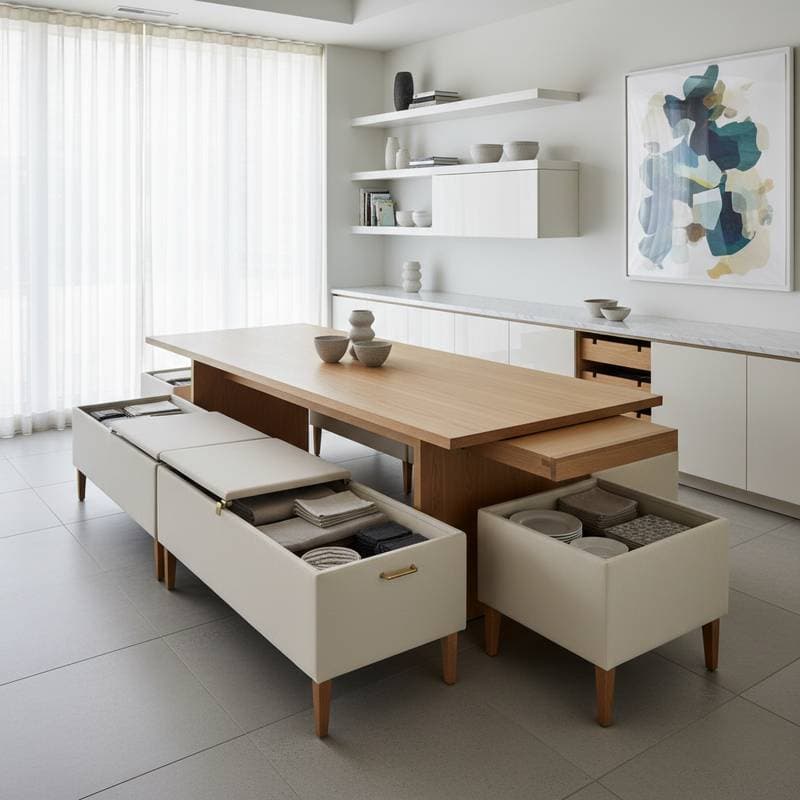
Contemporary extendable tables represent a significant improvement over older models, with smooth mechanisms and integrated leaf storage. The extension panel tucks neatly beneath the surface, eliminating the need for separate storage solutions. This feature proves invaluable for frequent entertainers or those with limited cabinet space.
In my setup, the concealed compartment also holds slim trays and additional placemats. Select tables crafted from durable woods or laminates that resist daily wear. Measure your space carefully to ensure the extended form fits comfortably.
To maintain longevity, lubricate the extension tracks periodically with a silicone-based product. This upgrade transforms the table from a static element into a dynamic, space-efficient centerpiece.
Innovative Floating Shelves
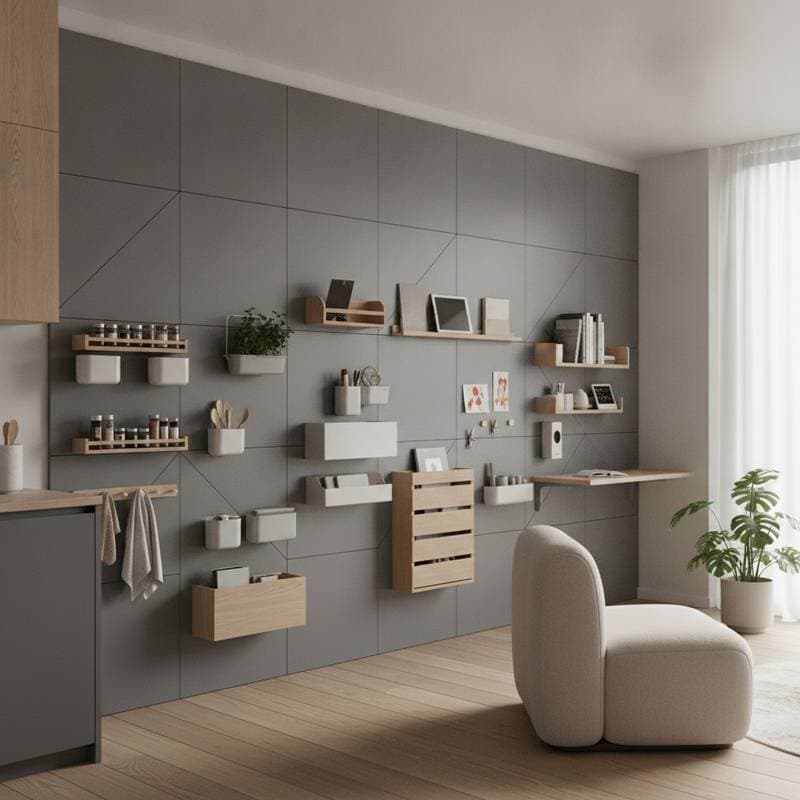
Floating shelves contribute elegance while offering unexpected utility. Opt for designs with integrated pull-down drawers beneath the shelf for storing flat items such as table runners or napkins. Installing a pair above a sideboard immediately alleviates pressure on lower storage areas.
Renters can utilize adhesive-mounted options for lightweight applications, avoiding permanent alterations. Pair these shelves with artwork or potted greenery to maintain a decorative facade. The shallow drawers suit items under two inches thick, ensuring discreet organization.
Test the adhesive strength with sample weights before full installation. This combination of form and function creates a layered, sophisticated look.
Practical Chair Storage Modifications
Dining chairs with removable seat cushions revealing internal compartments provide subtle storage for small essentials like chargers, napkins, or pet treats. While not suitable for bulky items, multiple chairs collectively offer substantial capacity. Prioritize models with secure cushion attachments to preserve comfort and stability.
Source sets from reliable retailers, inspecting for sturdy construction. Avoid designs where the mechanism compromises ergonomics. This solution integrates seamlessly into casual dining setups.
For customization, line the compartments with felt to protect contents and reduce noise. The result is added utility without altering the room's overall seating arrangement.
Utilizing Wall and Corner Spaces
Dining room corners often remain underutilized or cluttered. A narrow corner cabinet with a rotating internal shelf maximizes accessibility for items like serving platters or bottles. Though not entirely hidden, the swivel feature enhances efficiency over static designs.
Alternatively, create a wall-mounted unit disguised as framed artwork using a shadow box frame and slim insert. This holds tools like wine openers, candles, and batteries inconspicuously. Guests perceive it as decor, preserving the room's artistic integrity.
Secure installations with wall anchors for safety. These solutions exploit vertical space, promoting a sense of openness.
Discreet Under-Table Drawers
Under-table storage initially seemed intrusive, but a slim, mounted drawer changes that perception. Affixed beneath the tabletop, it glides out to store pens, notepads, or coasters out of sight. For those using the table as a workspace, this keeps supplies accessible yet hidden.
Installation requires basic tools and measuring for precise fit. Opt for soft-close glides to ensure quiet operation. This addition supports a dual-purpose room without visual clutter.
Regularly declutter the drawer to prevent overfilling, maintaining its effectiveness.
Integrating Storage as Decor
Effective concealment sometimes involves styling practical items decoratively. Replace a standard centerpiece with a lidded basket that stores napkin rings, candles, and a lighter while appearing as an intentional accent. Similarly, a bar cart with integrated drawers serves as stylish storage for serveware and linens.
Choose pieces that harmonize with the room's palette and theme. For hosting enthusiasts, the cart facilitates easy access during gatherings. This method embeds utility within the aesthetic.
Experiment with arrangements to find the most intuitive setup. The blend of beauty and practicality elevates daily routines.
Implementing These Solutions
Achieve a refined dining room by selecting one or two strategies that align with your needs. Begin with measurements and an inventory of current clutter to guide choices. Integrate solutions gradually, testing for usability in your routine.
Maintenance involves periodic reviews to ensure items remain sorted and accessible. These adjustments foster a space that supports both daily life and special occasions, delivering lasting satisfaction through thoughtful design.