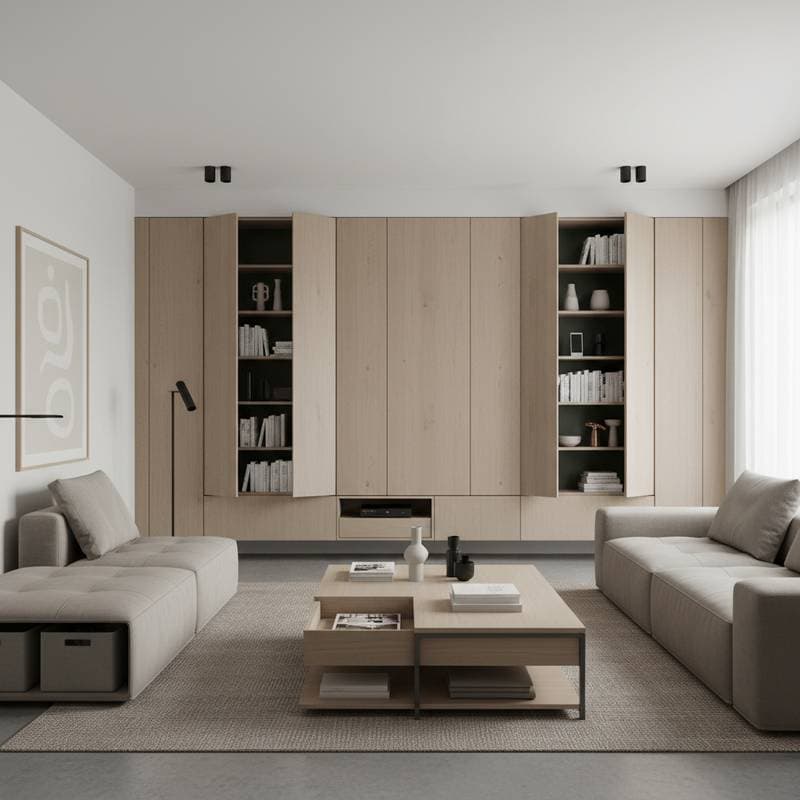
Hidden Compartments Transform Clutter Into Calm Design
When guests enter a living room, they encounter calm perfection. Cushions sit in precise arrangement. Surfaces remain spotless. No toys, remotes, or cables appear anywhere. The unseen element behind this order consists of hidden compartments that remove chaos from view. Modern homes emphasize clever concealment rather than minimalism alone. Design now serves both appearance and daily function through integrated storage.
Core Benefits
- Hidden compartments convert standard furniture into discreet storage options.
- Concealed areas maintain visual appeal while expanding practical capacity.
- Innovative placements fit modern rooms without adding visible elements.
- Effective storage features can raise property value through added utility.
- Compact homes gain the greatest advantage from multipurpose concealed pieces.
Organizers and designers endorse these solutions for sustained order.
Historical Roots and Contemporary Applications
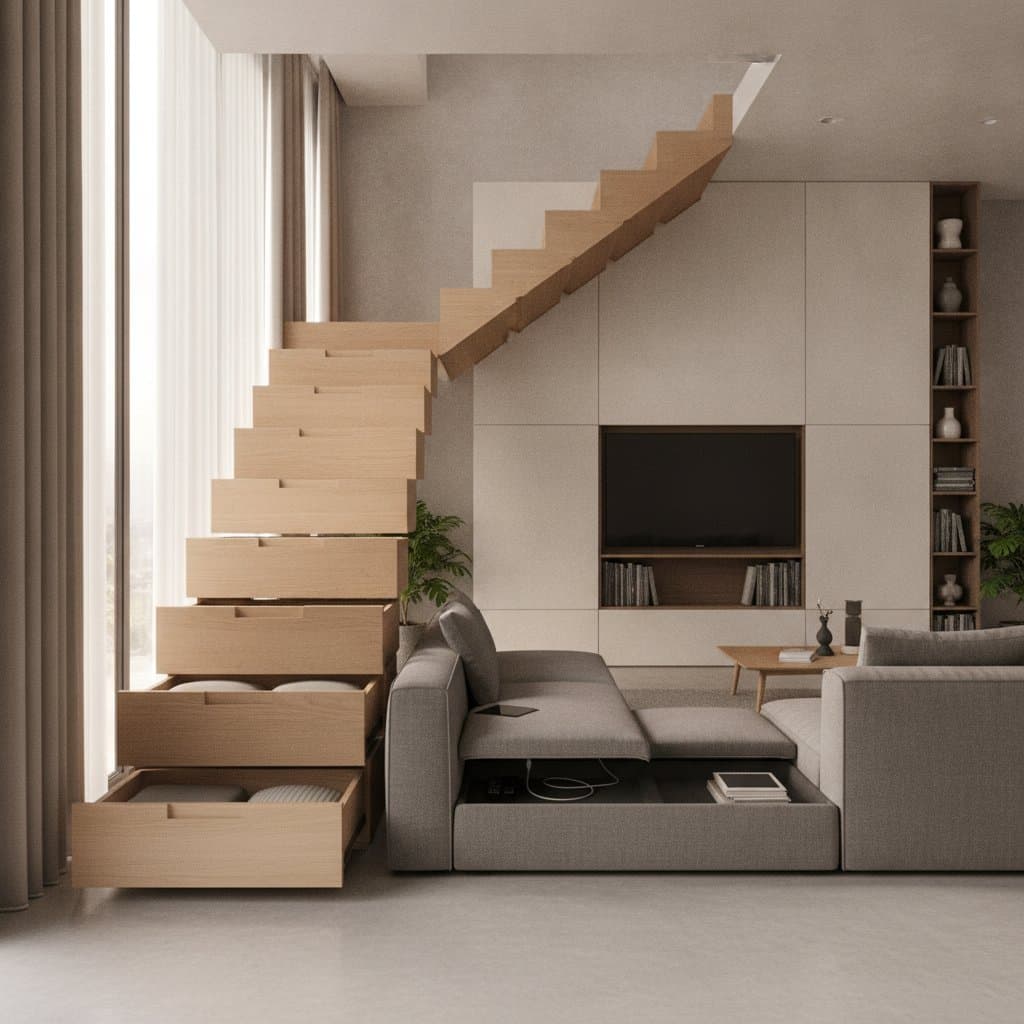
Secret panels once protected valuables in older residences. The approach has shifted from basic need to refined craft. Current designs merge with architecture and furnishings through clean execution. Staircases now incorporate pull-out drawers under each tread. Coffee tables lift to store remotes and periodicals. Headboards hide lighting and small shelves. Kitchen islands conceal additional drawers while preserving symmetry. Bathroom mirrors function as sliding cabinets.
These placements achieve a balance between utility and invention. Storage integrates so completely that it remains unnoticed during normal use.
Solutions for Compact Living Areas
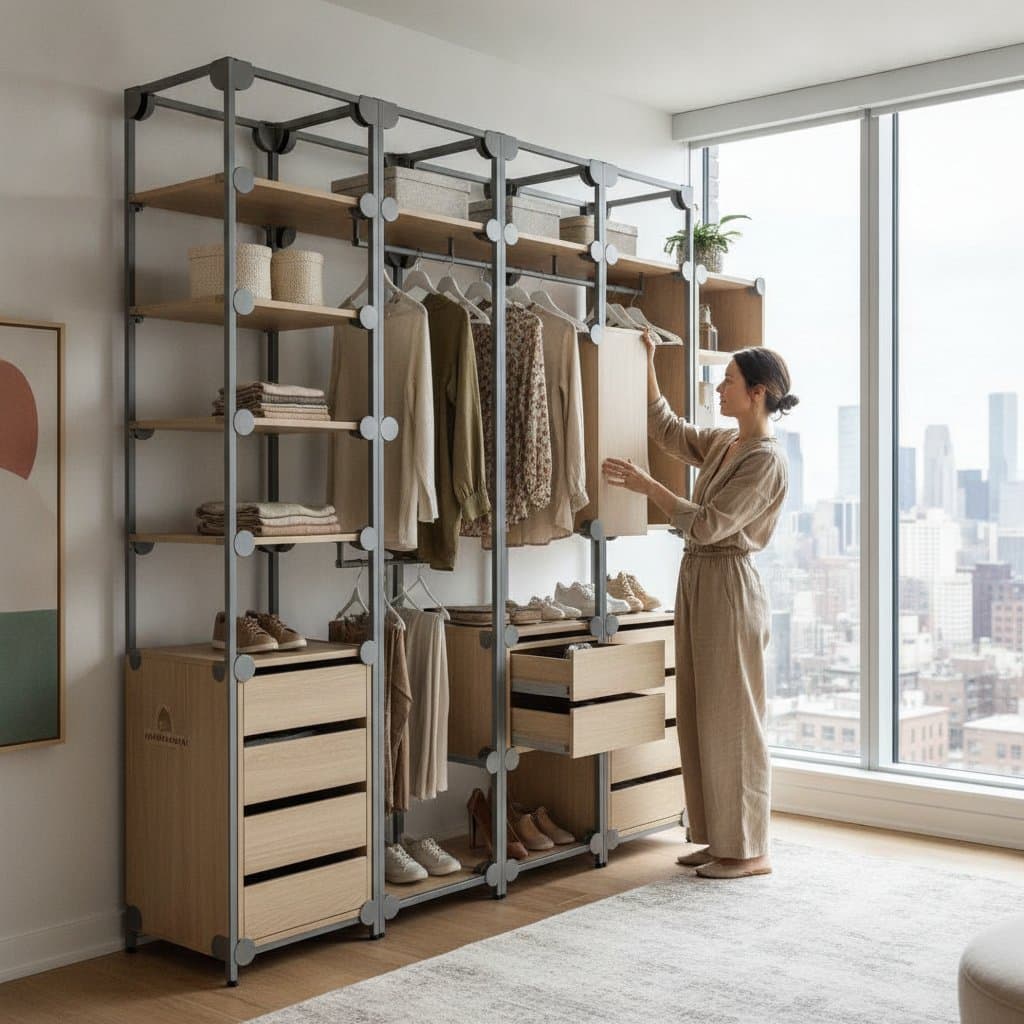
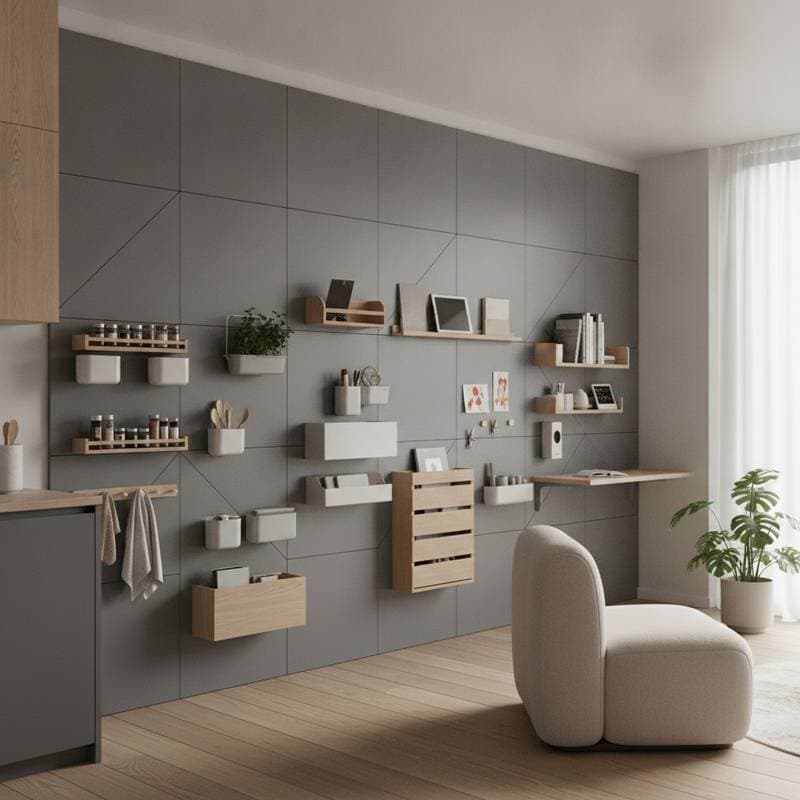
Apartment residents and owners of smaller properties rely on hidden storage for essential space management. The method begins with recognition of unused volume in walls, bases, and vertical zones. Platform beds include slide-out drawers for off-season clothing. Mirror cabinets open to hold jewelry. Folding desks fit into wall recesses and vanish when idle. Dining benches lift to store linens or surplus items.
Such features increase usable volume without altering floor area. Small residences retain visual consistency while gaining breathing room. Custom builders often work with organizers to ensure each addition appears deliberate.
Construction Techniques and Mechanisms
Builders achieve seamless results through magnetic closures, soft-close hinges, and push-to-open systems that remove the need for handles. Panels align with surrounding surfaces through precise grain matching or subtle shadow gaps. Advanced projects add sensors or voice controls that activate panels without hardware. A wall section may glide open at a tap. A mirror may reveal storage after a spoken instruction.
Practical Installations in Daily Settings
A family updated their living room with a custom unit that lifts to hide game consoles and cords. Side drawers hold board games, and an ottoman stores blankets. The space appears orderly at all times. Another homeowner installed handle-free kitchen cabinets with push mechanisms. Appliances stay behind retractable panels, leaving a clean sculptural surface. In a studio apartment, a raised floor section conceals shoes, equipment, and bedding, creating usable area that previously went unnoticed.
Environmental Alignment
Concealed storage supports reduced consumption because each item receives a fixed location. Fewer visible objects discourage unplanned purchases. Existing furniture gains extended service life through added internal capacity rather than replacement. Makers now offer modular units in bamboo or reclaimed wood that incorporate these features.
Imaginative Elements and Daily Enjoyment
The surprise of a concealed drawer or panel adds character to a residence. A bookshelf that opens to another room or a discreet wine storage door creates moments of discovery. This quality strengthens personal attachment to the space and encourages consistent upkeep.
Technology Integration
Motion sensors and app controls now operate storage areas. A closet can illuminate upon opening. A drawer may respond only to biometric input. Motorized systems assist users with limited mobility by raising or lowering compartments on command. These additions combine security and ease while preserving clean lines.