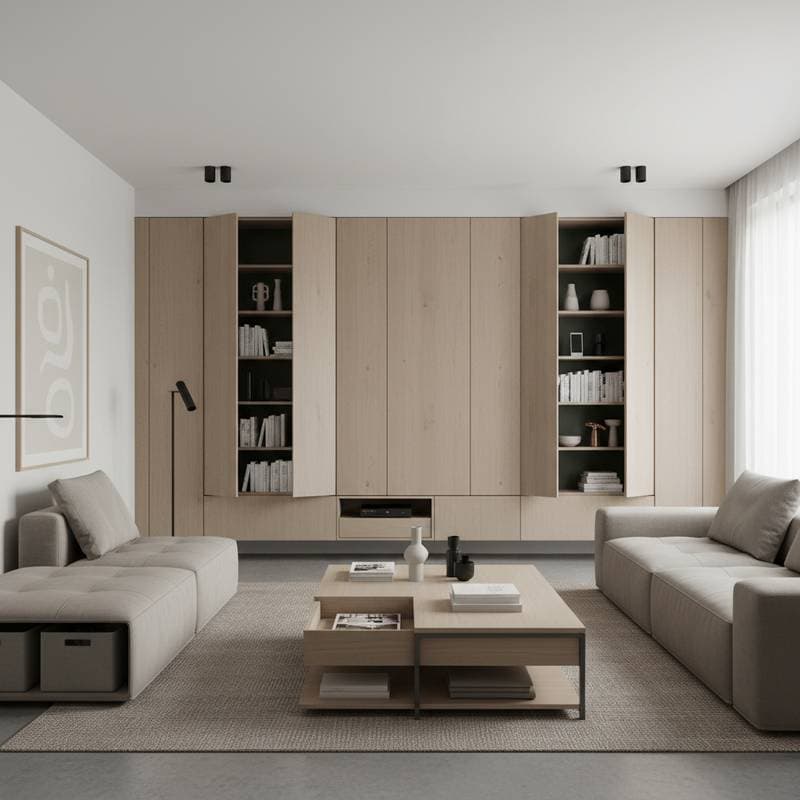
Magnetic Walls Turn Rentals Into Storage Havens
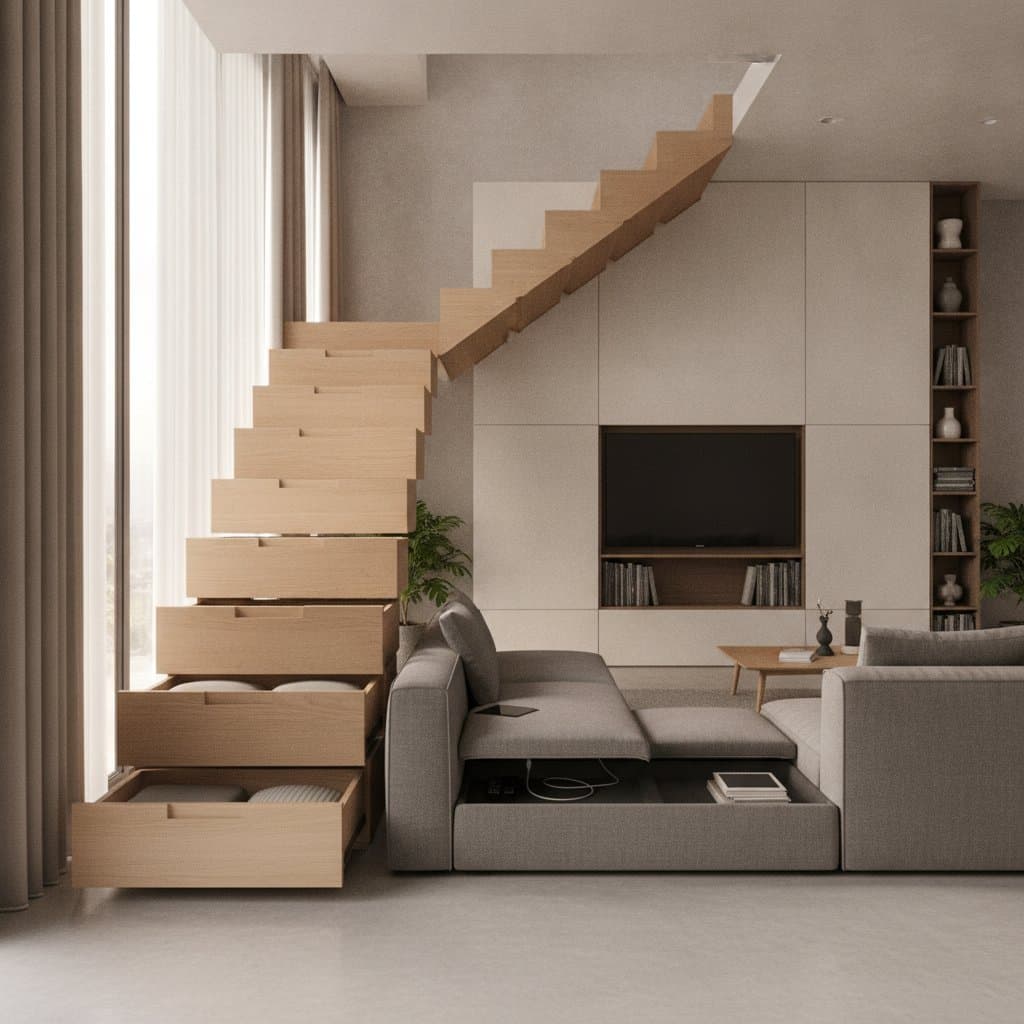
When your apartment feels like a game of Tetris, every square inch matters. You might find yourself balancing a row of shoes under the bed, stacking books on windowsills, or hanging bags behind doors. The challenge is clear. Renters crave more storage without drilling, damaging, or committing to permanent fixtures.
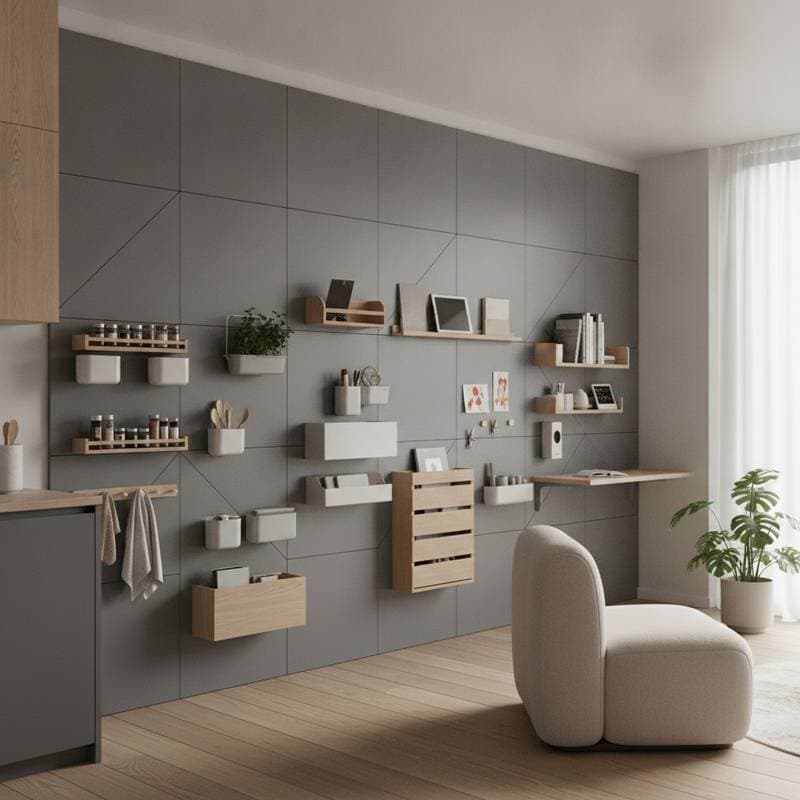
Magnetic walls offer a modern solution. They turn vertical surfaces into flexible, renter approved storage systems that look sleek and work smart.
Core Benefits of Magnetic Walls
- Magnetic walls transform unused wall space into customizable storage without permanent installation.
- They suit renters because they rely on magnetic panels or paint to attach modular shelves, hooks, and containers.
- Design options include minimalist metal finishes, magnetic wallpaper, and magnetic chalkboards.
The systems move or reconfigure easily as renters change apartments.
Budget conscious renters find them cost effective compared with traditional shelving.
Alignment With Modern Living Patterns
The appeal of magnetic walls extends beyond function. They match the way people live today, where flexibility and personalization define home life. Renters want to shape their spaces without risking deposits. Home offices, craft corners, and compact kitchens all benefit from storage that adapts as routines change.
Interior designer Lila Moreno noted that magnetic walls have changed how she approaches small space design. "They allow us to experiment with layout and style without committing to permanent fixtures," she explained. "It is like having a living wall that evolves with your lifestyle."
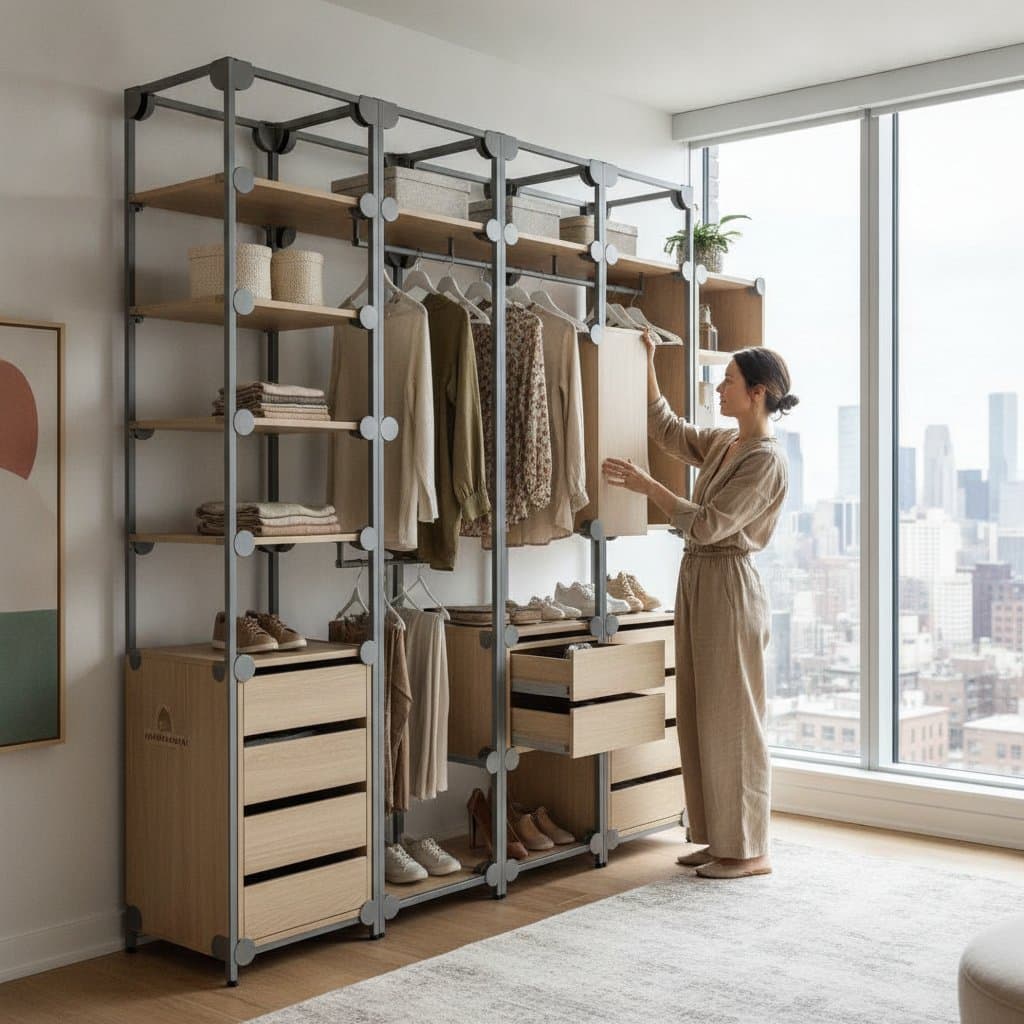
That adaptability matters for renters who move often. Instead of buying new shelving or redoing closet systems, residents remove the magnetic accessories and take them along. Wall panels can be rolled up or detached depending on the brand.
Aesthetic Options That Blend With Interiors
Early versions of magnetic storage leaned industrial. Current designs feature soft matte finishes, pastel tones, and minimalist grids that blend with modern rooms. Some panels mimic natural textures like wood or concrete. Others invite creativity with writable or paintable surfaces.
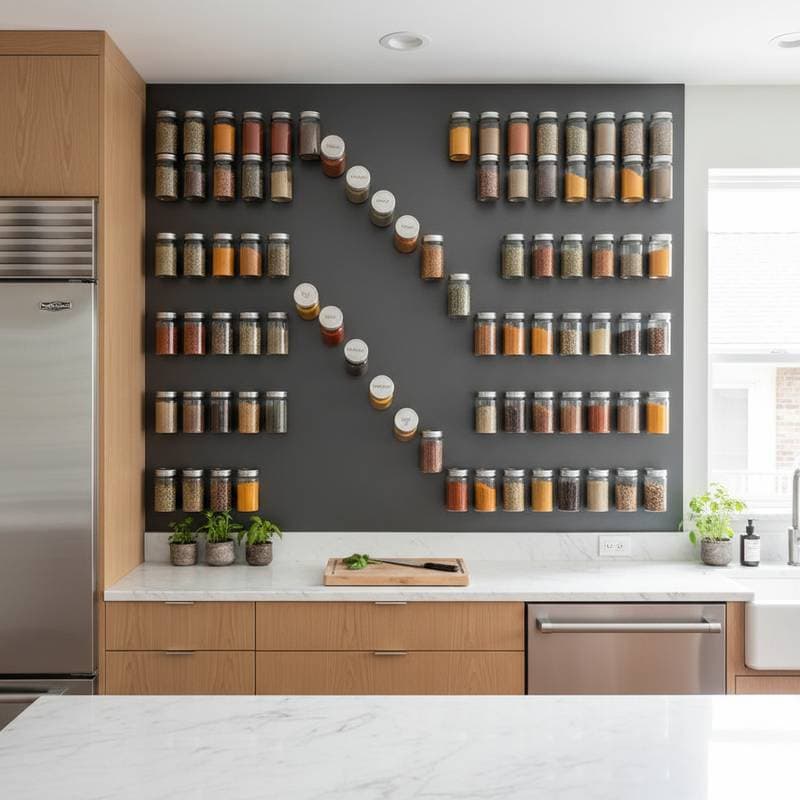
The result is a storage system that complements decor. Metallic panels behind a stove hold utensils and spice jars. Magnetic boards in a home office serve as rotating inspiration walls. Parents use magnetic play zones for easy cleanup and endless rearrangement.
Decor stylist Evan Liu called magnetic walls "functional art." He said, "They let people express their personality while keeping their spaces organized. It is storage that looks intentional rather than improvised."
Steps to Install a Magnetic Wall
Start small with a single panel or a section of magnetic paint. Choose a high traffic area where clutter collects, such as an entryway, kitchen, or workspace.
Design professionals recommend the following approach:
- Select the right base. Magnetic paint beneath traditional paint creates a subtle look. Decorative metal panels deliver bolder style.
- Sketch the layout first. Balance function with visual flow.
- Combine accessories. Shelves, hooks, and containers add depth and texture.
- Check magnet strength. Heavier items require stronger magnets or reinforced accessories.
- Keep the arrangement flexible. Rearrange pieces as needs shift.
Most panels remove cleanly. Some systems use adhesive strips or tension mounts similar to those in removable art frames.
Added Advantages for Daily Life
Magnetic walls encourage organization through visibility. Items stay accessible and less likely to be forgotten. They also support creativity because users build evolving displays that double as decor.
Decluttered spaces link to better focus and lower stress. Essentials remain within reach yet off surfaces, which helps rooms feel open and calm. Rearranging magnets can even serve as a simple mindfulness exercise.
The systems engage multiple senses. Users notice the tactile click of magnets, the visual order of a finished wall, and the freedom to adjust at any time.
How to Begin Your Own Setup
Identify one underutilized zone, such as the inside of a closet door or a corner near a desk. Install a magnetic surface that matches the room aesthetic, then test small accessories. The approach turns limited space into responsive storage that grows with changing needs.