Project Overview
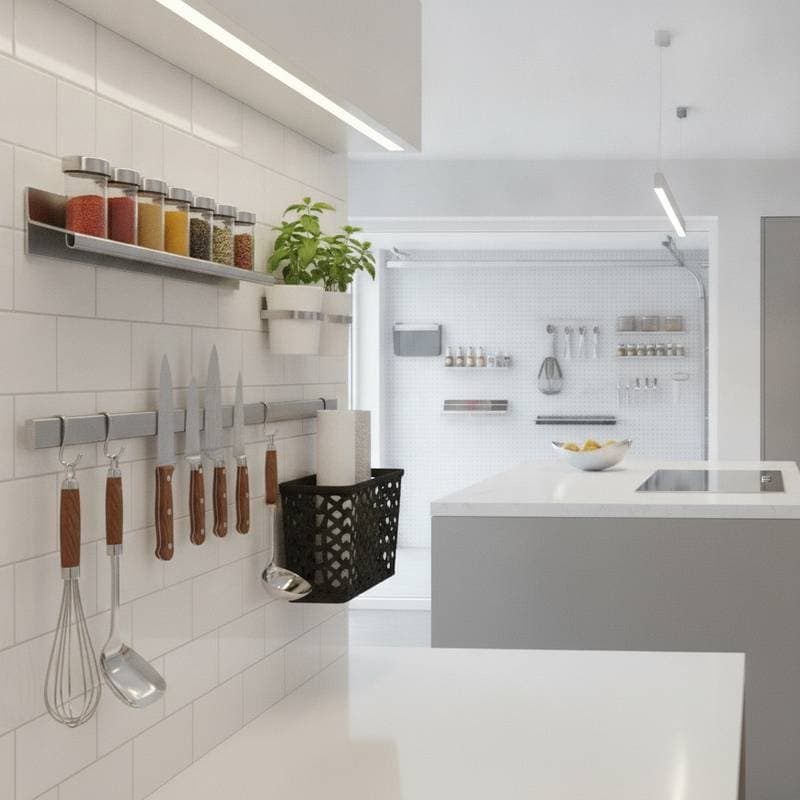
Magnetic storage systems create modular organization using strips, panels, and containers. This approach suits kitchens, workshops, offices, and craft rooms. Installation requires only basic tools and delivers a clean, professional appearance without structural changes.
Working time ranges from three to six hours. Total time, including setup and curing, spans one to two days. Skill level fits beginners through intermediate DIYers. Material costs typically fall between 40 and 150 dollars.
When Professional Help Makes Sense
Most homeowners complete this project independently. Professional assistance becomes useful in specific situations.
- Heavy items such as tools or cookware need secure anchoring into wall studs.
- Custom panels that match existing cabinetry benefit from finish carpentry skills.
Placement near wiring or electronics requires an electrician review.
Materials and Tools
Materials
- Magnetic strips, sheets, or prefinished panels
- Adhesive mounts rated for the intended load or screw-in brackets
- Metal containers, hooks, and clips
- Surface cleaner and optional primer or paint
Tools
- Measuring tape, level, and pencil
- Drill with bits appropriate for wall type
- Utility knife for trimming magnetic material
- Safety glasses and gloves
Repurpose metal tins or lids by adding magnetic tape to their backs for low-cost custom holders.
Step-by-Step Installation
Plan the Layout
Identify clutter zones such as countertops or workbenches. Measure each area and draw a simple diagram. This step prevents wasted material and ensures even spacing.
Prepare Surfaces
Remove dust and grease with rubbing alcohol. Lightly sand glossy paint to improve adhesion. For extra holding power on drywall, attach a thin steel sheet before painting.
Mount the Magnetic Base
Align strips or panels with a level. Begin at the center and work outward. Screw heavy-duty sections directly into studs rather than relying solely on adhesive.
Attach Accessories
Hang containers and hooks. Position heavier pieces lower on the wall. Test each magnet connection before adding weight. Color-code or label bins in shared spaces for quick identification.
Adjust and Refine
Step back and check reach and balance. Magnetic systems allow easy repositioning without wall damage, so refine placement until the layout feels natural.
Maintenance for Long-Term Performance
Inspect adhesive mounts every three months, especially in humid rooms. Wipe surfaces regularly to preserve magnetic strength. Never exceed stated weight limits. Refresh painted panels with a new coat when wear appears.
For higher capacity, combine rare-earth magnets with pegboard sections. These hybrids retain full modularity while supporting greater loads.
Budget Planning
Begin with a single wall or backsplash. Salvage old baking sheets or cabinet doors as magnetic bases. Dollar-store metal containers work effectively after a coat of paint. Purchase stronger magnets initially to avoid frequent replacement.
Practical Recommendations
Mount systems vertically to reclaim counter space. Pair magnetic strips with open shelving for mixed storage needs. Keep magnets away from phones, tablets, and credit cards. Use painter tape to preview layouts before drilling. Rotate seasonal items in labeled bins for efficient seasonal swaps.
Lasting Results
This method delivers adaptable storage that grows with changing needs. Basic materials and careful installation produce organized, calm rooms while respecting both budget and time constraints.