How AI Learns Your Habits to Simplify Home Organization
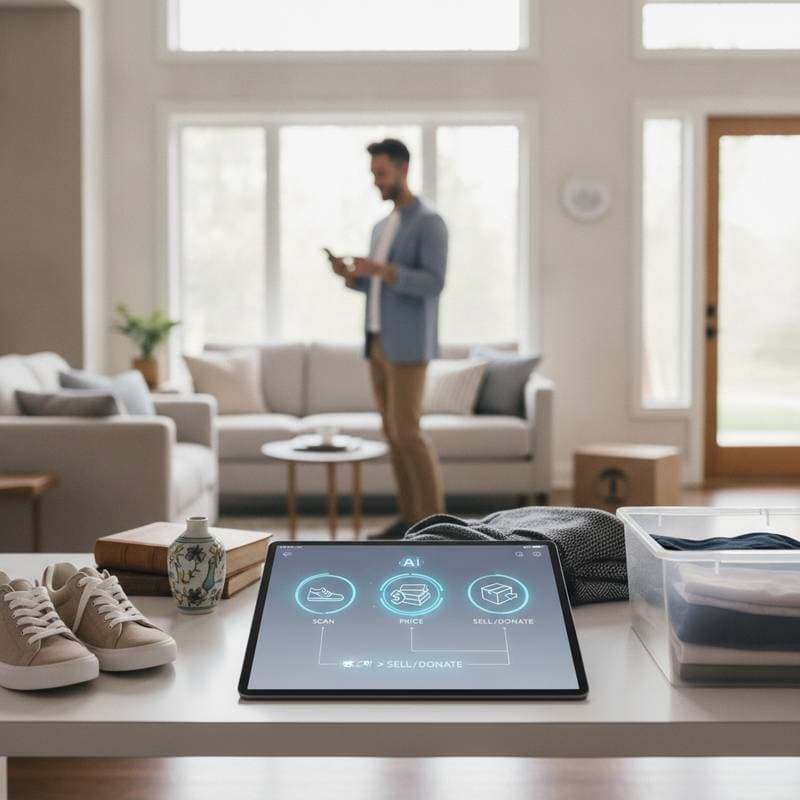
Artificial intelligence now helps homeowners manage physical and digital clutter by studying daily routines. These applications analyze images of rooms, track item usage, and generate storage plans that match actual behavior. The approach reduces the mental effort traditionally required to decide where everything belongs.
The Technology Behind Smart Decluttering
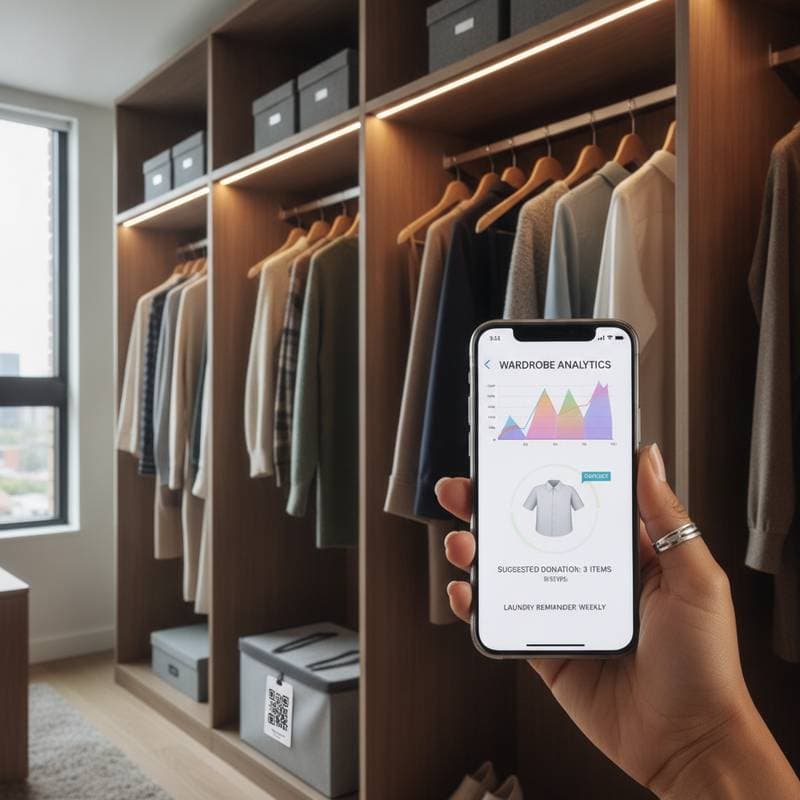
Machine learning models examine photographs or inventory lists to classify objects and note how often each item appears in use. The software then maps high traffic zones and recommends accessible storage for frequently handled belongings. Some platforms connect to household sensors so recommendations update automatically when routines change.
This data driven method separates practical needs from emotional attachment. Homeowners receive objective suggestions rather than relying on momentary judgment.
Evaluating Your Clutter and Readiness
Preparing Your Space and Tools
Gather a smartphone with a capable camera, the selected application, and optional smart labels. Choose one room or category that creates daily friction as the starting point.
Limit app permissions to essential functions. Avoid scanning sensitive papers or valuables. Work on encrypted networks when transferring images.
Following a Step by Step Process
- Photograph each target area under good lighting so the application can recognize objects and assess space use.
- Check the generated categories and correct any mislabeled items to improve future accuracy.
- Record usage frequency for each group so the system places daily items within easy reach.
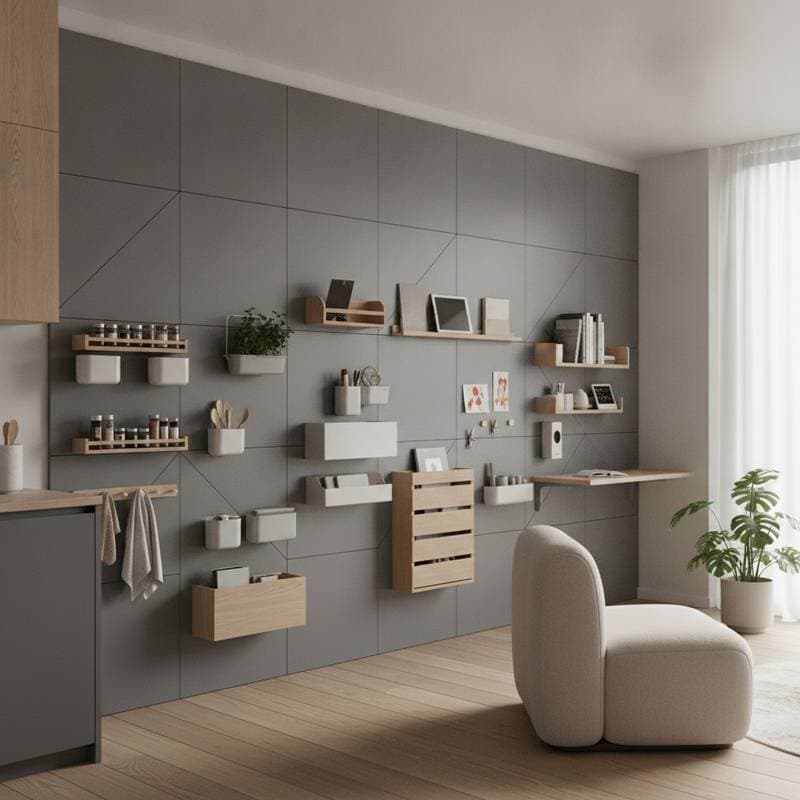
- Apply the suggested layouts while confirming safe traffic paths and accessibility for all household members.
- Attach smart labels or QR codes where supported to monitor item movement.
- Follow any digital cleanup prompts such as removing duplicate files or reorganizing folders.
- Activate maintenance reminders to scan areas on a regular schedule.
Checking Results and Adjusting
Rescan selected zones after one week and compare actual usage against the application predictions. Adjust frequency settings if estimates prove inaccurate. Verify that any connected labels or integrations function correctly.
Document progress with dated photographs. Visual records help identify which strategies produce lasting order.
Keeping Organization Sustainable
Treat the application as an ongoing companion rather than a single project. Quarterly scans capture seasonal shifts in clothing or supplies. Predictive alerts can flag emerging clutter before it accumulates.
Sync digital tools with cloud storage to maintain clean file structures automatically.
Integrating Additional Systems
Combine the decluttering application with a smart home platform to automate lighting in storage areas or send movement reminders. Link inventory data to maintenance schedules for a unified household record.
Introduce one new feature at a time and observe its effect on daily efficiency. The result is a customized system that supports consistent order without added complexity.