AI Decluttering Apps Scan Homes for Smart Organizing
We have all experienced the moment when opening a closet or surveying a cluttered living room prompts the question of where all the items originated. Life moves quickly and possessions accumulate until homes feel chaotic rather than calm. Artificial intelligence now offers a practical response by scanning spaces and delivering personalized organization plans.
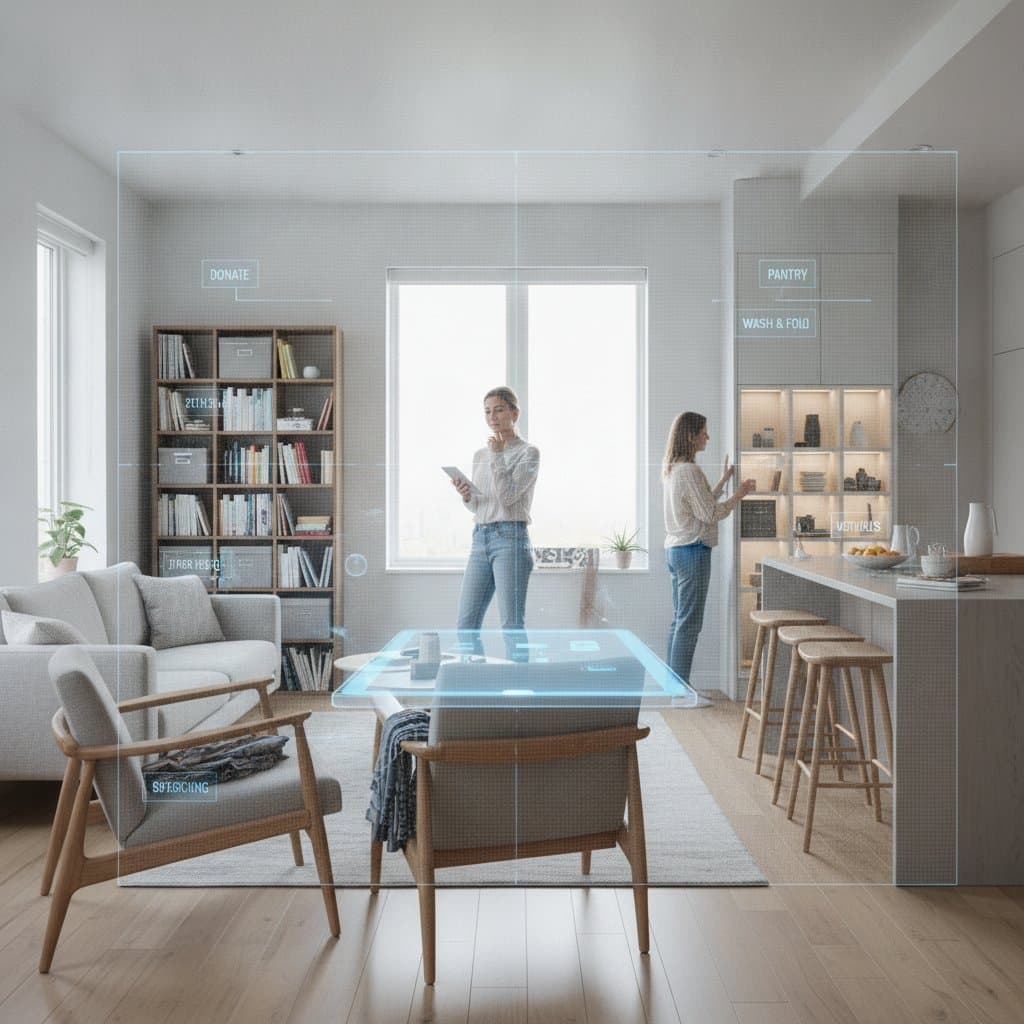
AI powered decluttering apps analyze rooms through phone cameras and spatial mapping. They identify furniture, surfaces, and item categories before recommending storage solutions based on actual usage patterns. The focus remains on making spaces function for individual routines rather than creating idealized displays.
How AI Scanning Works in Your Home
Users hold a phone and walk through rooms while the app captures visual data. Photo recognition detects objects and surfaces, then generates suggestions for storage or repurposing of existing items. Some applications also recommend furniture dimensions that match room measurements and create digital inventories for quick retrieval.
Why Smart Organizing Matters
Clutter affects daily function and emotional state. Crowded surfaces can increase stress, while disorganized bedrooms may disrupt rest. AI tools connect these patterns to physical layouts and suggest targeted adjustments such as wall mounted mail sorters near kitchens or additional hampers closer to bedrooms.
These refinements accumulate into noticeable improvements. A space aligned with personal rhythms supports better focus and reduces daily friction.
The Design Perspective: Tech Meets Aesthetics
Technology in this field now incorporates visual harmony alongside utility. Apps evaluate existing color schemes and materials to recommend storage that blends with current decor. Light oak interiors might receive suggestions for woven baskets instead of plastic containers.
Lighting recommendations can also emerge from scans. Adjusted fixtures may highlight organized zones or create an impression of greater openness in compact rooms.
Making Decluttering Achievable for Every Lifestyle
These applications scale to different living situations without requiring major renovations.
- Renters receive ideas for modular, removable shelving that doubles as storage.
- Families gain shared inventories to track toys, clothing, and seasonal items.
- Minimalists obtain lists of duplicates or seldom used objects to support deliberate decisions.
Users need only basic curiosity to begin. The tools adapt to varied budgets and schedules.
The Human Touch Still Matters
AI provides data and structure but cannot interpret sentimental attachments. Users retain full authority to reject any suggestion that conflicts with personal values. The most effective results occur when the application serves as a guide rather than an authority.
Real World Applications That Work
A scanned closet may reveal unused vertical space and prompt installation of matching stackable drawers. Kitchen counters may benefit from pull out racks once the app identifies underused cabinet capacity. Each change aims to create smoother movement through daily tasks.
Balancing Privacy and Technology
Home scanning raises legitimate privacy questions. Reputable applications process data locally and offer encrypted storage options. Review permissions and deletion controls before use to maintain comfort with both digital and physical environments.
Trends and Longevity in Smart Organizing
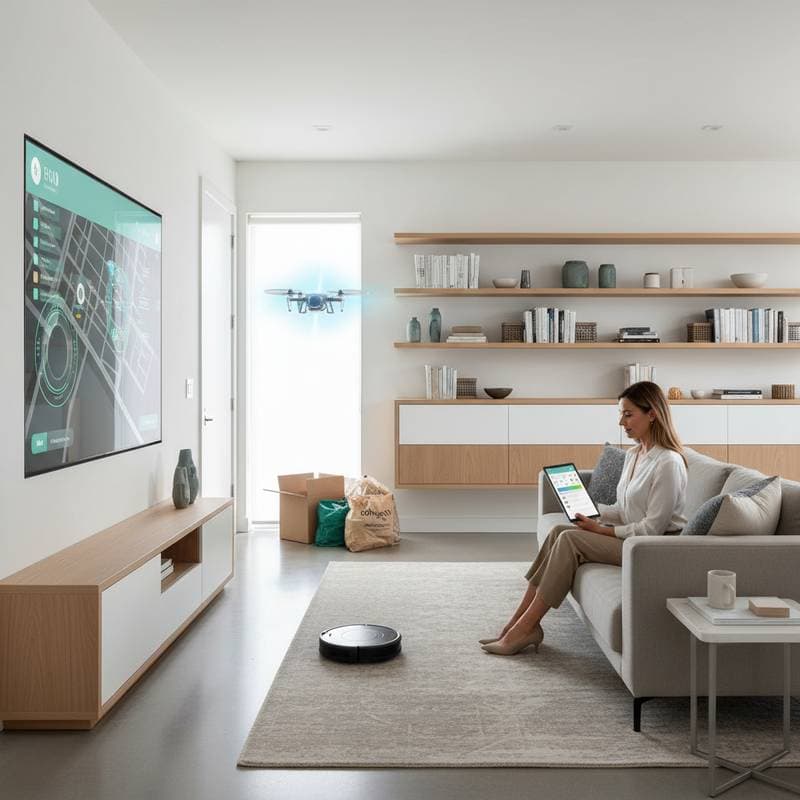
Current systems integrate with voice assistants to issue reminders about item placement or low supplies. Enduring value comes from simple, maintainable systems rather than elaborate setups that demand constant attention.
Living with Your Design
Periodic rescans allow layouts to evolve with changing routines such as new work from home needs or children outgrowing certain items. The objective centers on ease rather than perfection. Technology assists in creating calm, yet personal choices give a home its character.