Mushroom Insulation: Eco-Friendly Upgrade for 2026 Homes
Key Takeaways
- Mycelium insulation grows from the root structure of mushrooms combined with agricultural waste.
- This material delivers strong thermal performance, sound absorption, and natural resistance to fire and pests.
- Ready-made panels and modular inserts support both full renovations and temporary upgrades.
- The finished product contains no synthetic additives and returns safely to the soil at end of life.
- Early projects in northern Europe demonstrate reliable results in both new builds and older properties.
A New Kind of Comfort
Moving from a compact urban flat to a stone cottage highlighted the limits of older construction. Synthetic foams and mineral fibers felt mismatched with the desire for healthier indoor air. Mycelium insulation offered a grown alternative that aligned with both performance needs and environmental goals.
Composition and Production
Mycelium insulation consists of fungal root networks cultivated on plant fibers. Producers pack the mixture into molds, allow growth for several days, then apply heat to halt further development. The process yields a lightweight, cohesive board without added binders.
Specialists note that the natural binding action eliminates chemical adhesives. This characteristic reduces installer exposure to irritants and supports better long-term air quality. The finished material also resists combustion and discourages insect activity.
Performance Advantages
Thermal conductivity values match those of common mineral wool products in independent tests. Acoustic damping proves effective in separating floors and walls within multi-unit buildings. Because the insulation remains vapor permeable, it works well with lime plasters and other breathable finishes.
Homeowners report lower heating demand after installation. The absence of off-gassing compounds distinguishes mycelium from many petroleum-derived options. These traits appeal to households seeking measurable energy savings alongside reduced chemical load.
European Applications
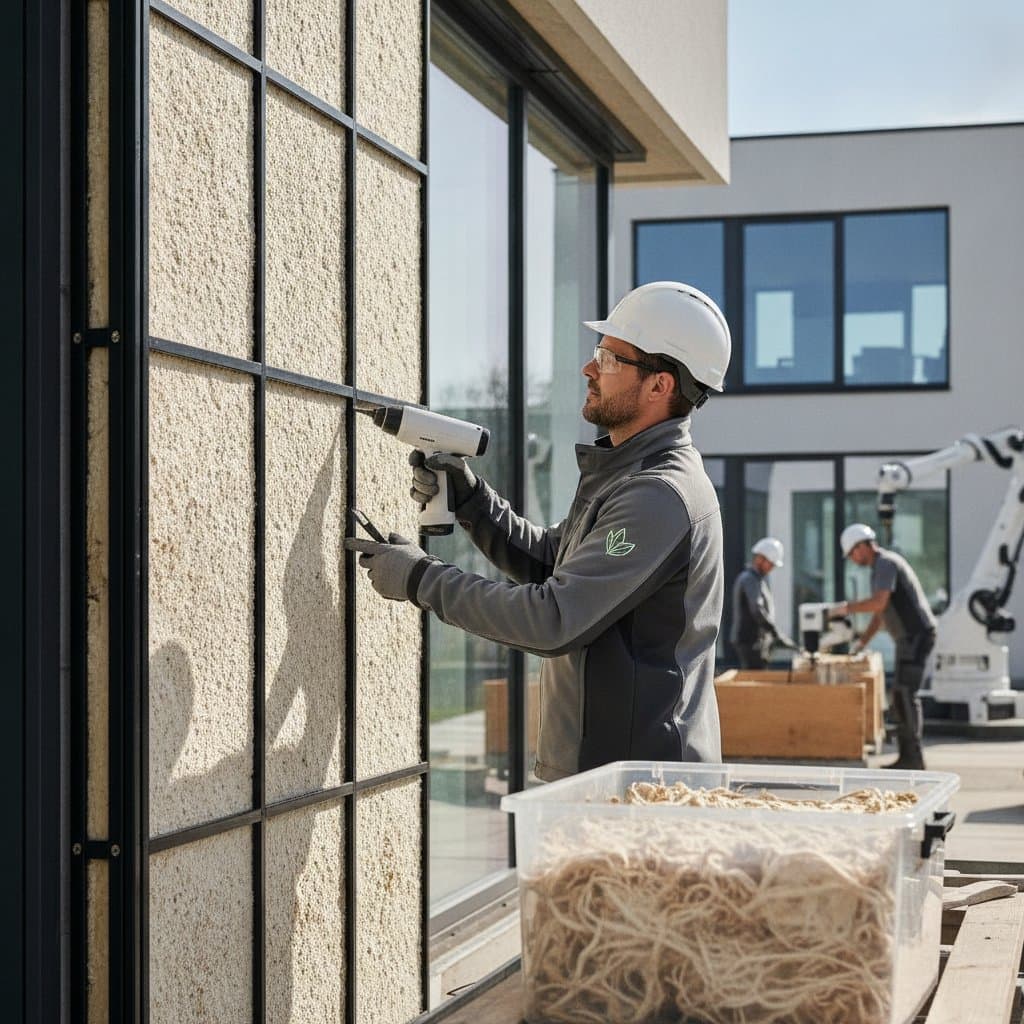
Workshops in northern Europe now supply mycelium panels for low-energy housing. Architects incorporate the blocks into wall systems that pair insulation with structural support. Pilot dwellings show stable humidity levels and reduced condensation risk.
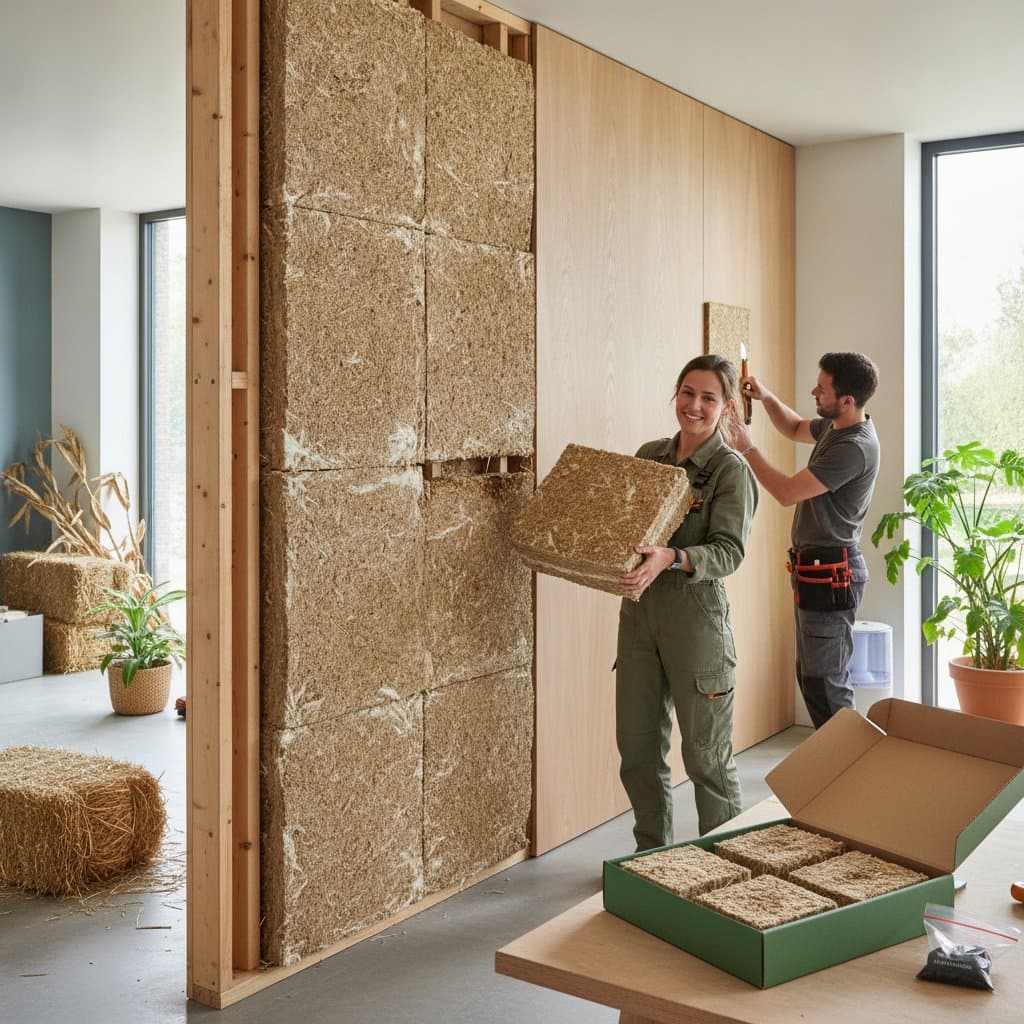
Modular formats allow insertion into existing cavities without major demolition. Renters can apply smaller acoustic tiles to interior surfaces for immediate sound control. Both approaches extend access beyond full-scale renovation projects.
Installation Guidance
Select certified panels that satisfy local building codes before purchase. Installers treat the material similarly to rigid wood-fiber boards, cutting to fit and securing with mechanical fasteners or compatible adhesives. Pairing with vapor-open coatings preserves the breathability that prevents mold formation.
Smaller decorative tiles suit renters who need reversible solutions. These units attach with removable clips and provide both sound reduction and a textured surface compatible with multiple interior styles.
Investment and Durability
Initial material costs exceed those of fiberglass batts, yet projected energy reductions offset the difference over time. Production scale-up continues to narrow the price gap. Resistance to moisture, pests, and biological decay supports a service life comparable to conventional alternatives.
Daily Experience
Once in place, the insulation remains hidden behind finishes yet influences comfort throughout the seasons. Indoor temperatures stabilize, and background noise diminishes. The material contributes to an interior environment that feels balanced without mechanical assistance.
Integration Steps
Begin with an assessment of attics, basements, and partition walls where heat loss occurs most readily. Combine mycelium insulation with upgraded glazing and vapor-permeable surface treatments to create a cohesive system. Urban residents can start with targeted acoustic panels before expanding to larger areas.
Rural properties benefit from complete wall and roof coverage that lowers annual heating loads. In every setting, the grown origin of the material connects daily living with renewable resource cycles.