Mycelium Insulation: Sustainable Fix for Modern Homes
A home can maintain steady temperatures and balanced humidity through its walls. This effect comes from mycelium insulation rather than mechanical systems. The material grows from agricultural waste and fungal networks to create biodegradable panels.
The Living Network Beneath Our Feet
Mycelium forms an underground web that recycles organic matter in ecosystems. It threads through soil to move nutrients and moisture. The same structure binds plant waste such as hemp hurds or straw into insulation panels during several days of controlled growth. Drying halts the process and yields a stable, lightweight product.
Limitations of Conventional Insulation Materials
Fiberglass production consumes high energy. Foam boards release volatile compounds during use and disposal. These materials often trap moisture, which leads to mold growth and reduced performance. Homeowners face rising repair costs and added waste from replacements.
Performance Advantages of Mycelium Insulation
Steps to Produce and Install Mycelium Panels
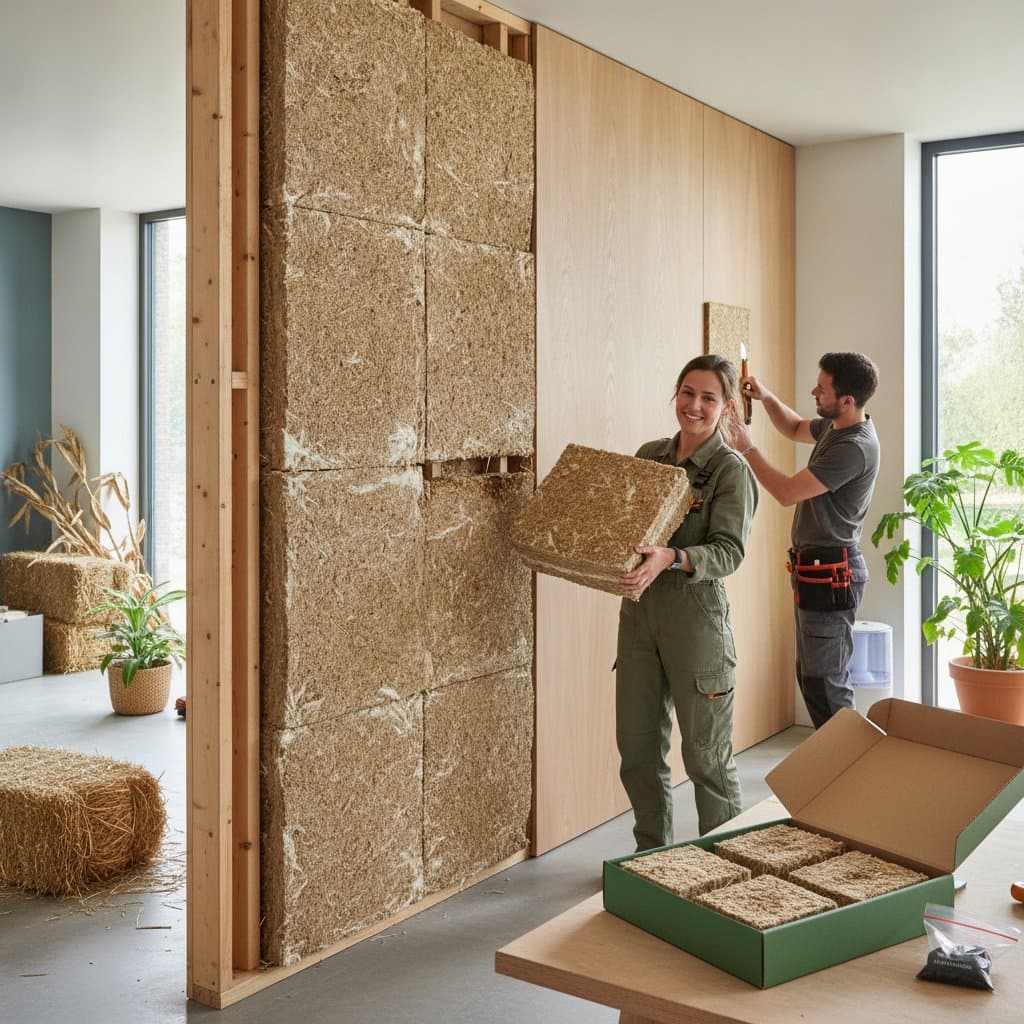
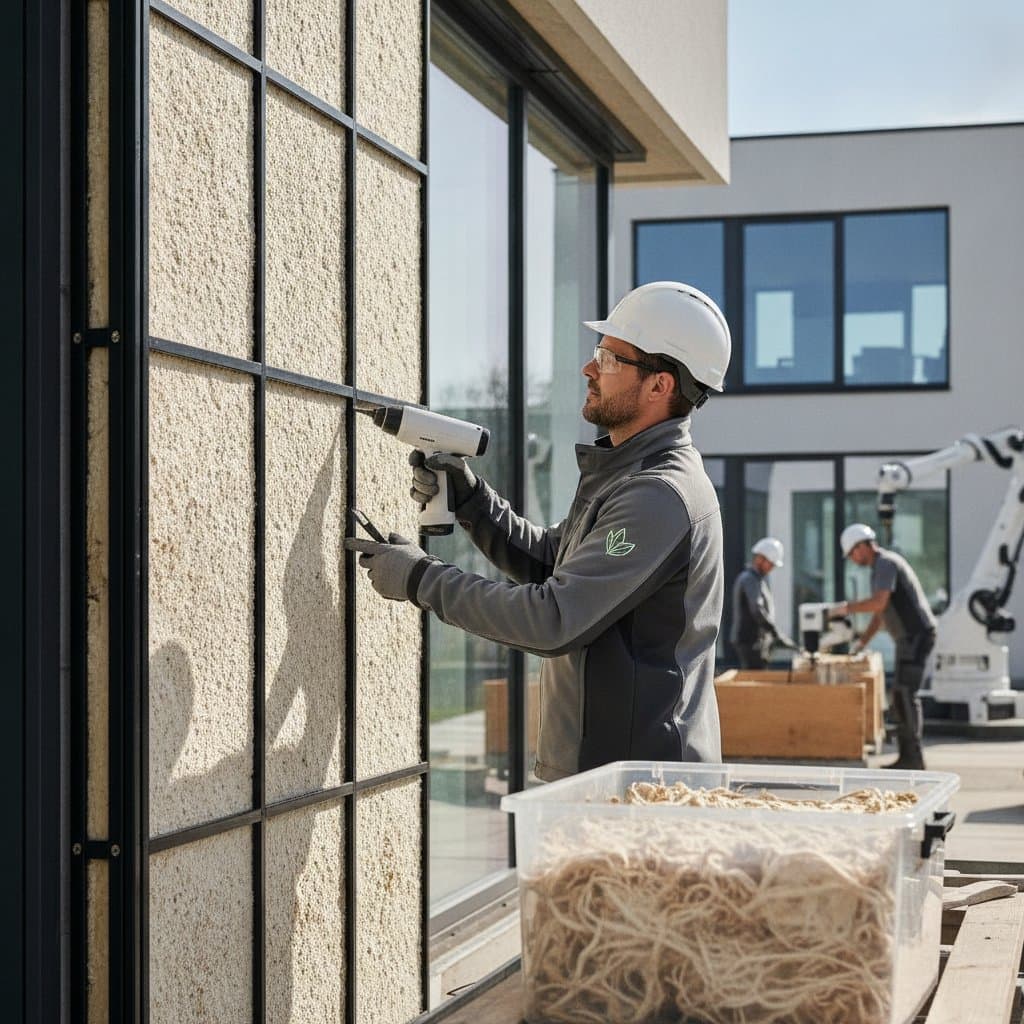
Sterilize a substrate of straw, sawdust, or hemp hurds. Inoculate it with fungal spores and place the mix in molds. Allow growth in warm, humid conditions for several days until the network binds the material. Dry the colonized mass to stop further development. Cut the resulting panels to fit between studs, in attics, or on floors. Apply vapor barriers and ensure ventilation to protect against excess moisture during construction.
Cost Considerations and Long-Term Value
Initial production costs exceed those of mass-made fiberglass. Energy savings from improved thermal performance and lower maintenance offset the difference over time. Compostability removes disposal fees common with synthetic options. Local sourcing of agricultural waste further reduces expenses as production scales.
Scientific Basis and Material Combinations
Chitin in mycelium cell walls provides flexibility and even stress distribution. Pairing the fungus with hemp fibers adds reinforcement. Rice husks increase bulk while keeping weight low. These pairings let producers adjust density for specific climates and building types.
Integration in Existing Structures
Panels fit standard framing without full renovation. Small projects such as sheds or studios serve as practical tests. DIY kits allow custom growth at home when suppliers provide sterilized materials and clear instructions. Full drying before installation prevents rehydration.
Environmental Outcomes Across the Life Cycle
Agricultural byproducts supply the raw inputs. Growth uses far less energy than conventional manufacturing. Decomposition leaves no toxic residues. The approach supports regenerative building practices that improve rather than deplete resources.
Additional Uses in Interior Design
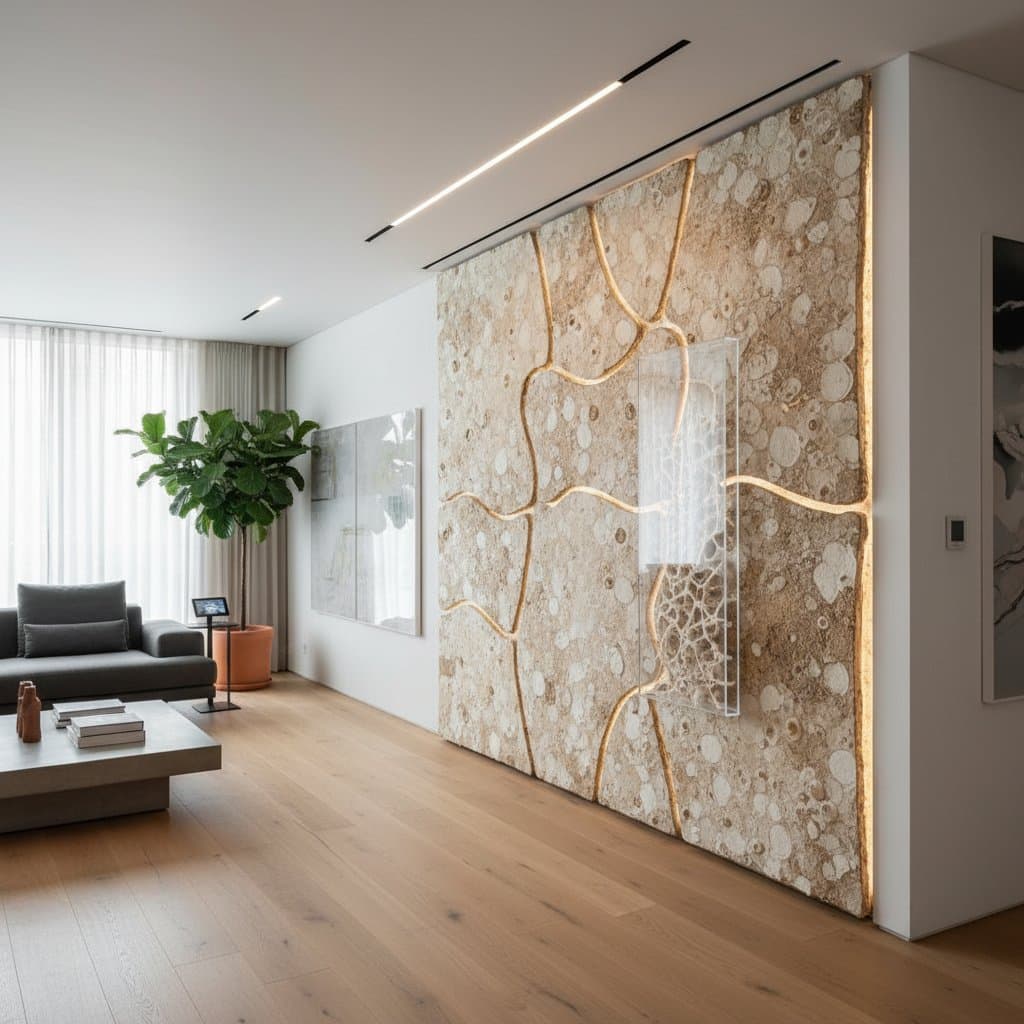
Acoustic panels, furniture components, and wall tiles demonstrate further applications. Organic textures create warm aesthetics in reading areas or studios while regulating humidity around stored items.
Remaining Barriers and Industry Progress
Large-scale facilities need consistent climate control. Building codes require expanded testing for bio-based products. Collaboration among architects and producers continues to refine standards and lower costs through increased demand.
Practical Next Steps for Homeowners
Begin with one room or outbuilding to observe effects on comfort. Combine mycelium with clay plaster or cork for a unified system. Select suppliers that document local sourcing and performance certifications. Community adoption will expand reliable installation knowledge over time.
Homes as Extensions of Natural Systems
Mycelium insulation turns buildings into active participants in natural cycles. Residents gain comfort, lower operating costs, and a reduced environmental footprint through this approach.