Key Points
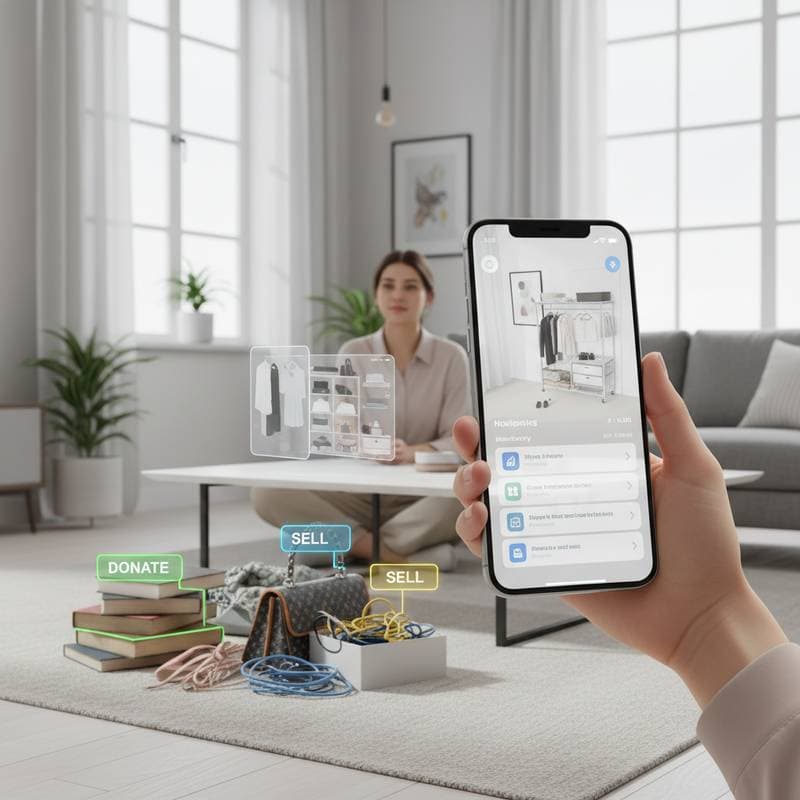
- AI-powered decluttering applications scan and categorize household items swiftly through smartphone cameras.
- These tools assist in determining items to retain, donate, sell, or recycle, eliminating extensive manual sorting.
- Applications incorporate image recognition, data organization, and intelligent suggestions to enhance home organization.
- Privacy and security warrant careful attention, as these tools access photos or camera functions.
- Optimal outcomes arise from combining digital guidance with established decluttering routines.
Understanding AI Decluttering Tools
Many households contain at least one area overwhelmed by disarray, from outdated tools and mismatched storage to abandoned pursuits. Clutter accumulates rapidly, often outpacing efforts to manage it. AI decluttering applications simplify this challenge by employing smartphone cameras to detect objects, classify them, and propose subsequent actions.
Project Overview
Working Time: One to three hours per room after initial setup
Total Time: Depends on clutter volume and cataloging requirements
Skill Level: Beginner
Estimated Cost: Most applications offer free access or low subscription fees
AI decluttering resembles a methodical project in craftsmanship, emphasizing preparation, regularity, and precision for durable results. The technology functions as a digital aide, accelerating identification and directing focus to essential tasks. This approach fosters a systematic transformation of living spaces.
When to DIY vs. Hire Help
For organizing household possessions, AI tools suit a self-directed method. Users scan, classify, and tag items independently, progressing at a comfortable rhythm. However, clutter involving structural challenges, such as relocating heavy furnishings, handling hazardous substances, or addressing mold, requires professional intervention. AI aids in item identification but cannot address physical safety or regulatory compliance.
In digital cataloging endeavors, like inventorying collectibles or workshop equipment, a DIY strategy delivers cost savings and personal satisfaction. Applications supply organizational frameworks, yet ultimate decisions on retention or disposal reside with the user.
Materials and Tools
Minimal resources suffice to commence, though thorough preparation ensures seamless execution.
Essential Equipment:
- Smartphone or tablet equipped with a quality camera
- Stable internet connectivity
- Sufficient illumination for precise scanning
- Cloud storage access for applications with backup capabilities
Optional Aids:
- Supplies for labeling physical containers
- Cleaning supplies to remove dust and residue
- Containers or bags designated for donations
- Notebook to record items of sentimental or ambiguous value
Pairing digital classification with tangible labeling enhances consistency. For instance, following a garage scan, users might generate labels aligning with the application's categories, synchronizing physical and virtual systems.
Step-by-Step Process
Step 1: Select an Appropriate Application
Prioritize AI decluttering applications emphasizing visual identification over manual entry. Seek features like automated classification, resale value estimates, and robust privacy settings. Examine user feedback to confirm dependability and precision.
Step 2: Prepare the Area
Prior to scanning, discard refuse, clear access routes, and secure uniform lighting. Such measures enable accurate object detection by the AI. Initial tidying minimizes errors and conserves subsequent effort.
Step 3: Scan and Classify
Direct the smartphone camera toward various area segments to record images. The application identifies objects and proposes classifications. Manually inspect each suggestion, adjusting inaccuracies. AI performs reliably yet falters with distinctive or handmade items.
Step 4: Determine Retention or Removal
Leverage the digital roster to assess categories. Applications often recommend resale venues or donation outlets. Merge these insights with personal evaluation. Functional tools or family heirlooms merit preservation; unused items may benefit from application nudges toward release.
Step 5: Label and Organize Storage
After classification, apply labels to physical items matching digital categories. This integration unites virtual records with tangible arrangements. Transparent containers, tool organizers, or shelving units sustain the established order.
Step 6: Review and Sustain
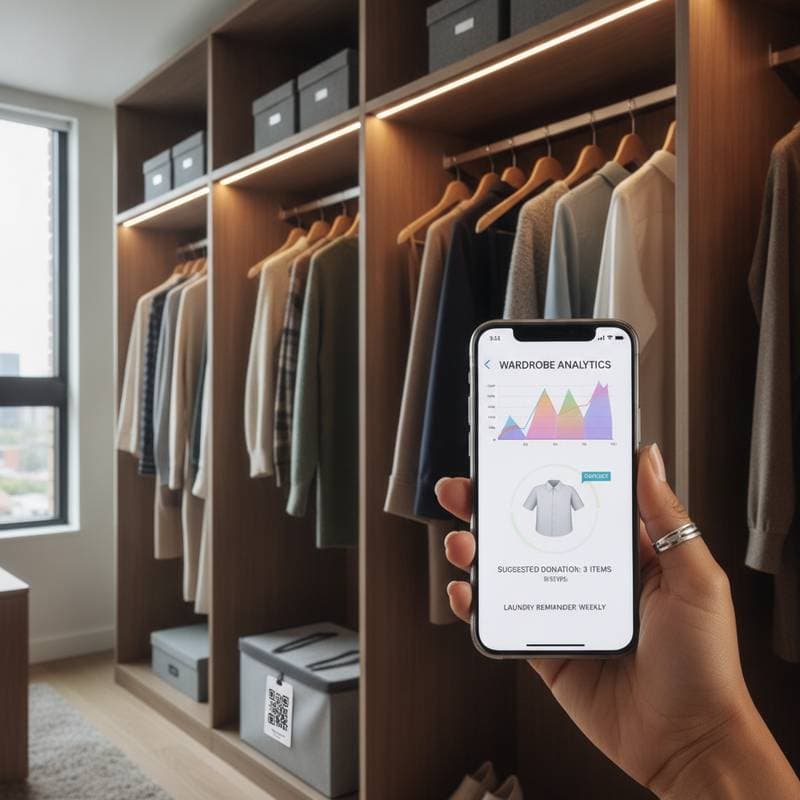
Establish periodic scans to update inventories. Numerous applications enable reminders for seasonal reviews or donation collections. Consistent oversight, akin to routine maintenance in craftsmanship, averts clutter resurgence.
Quality Control and Privacy Considerations
Since AI decluttering applications process visual data, comprehend data storage and sharing protocols. Opt for providers with transparent privacy statements and options for immediate image deletion. Refrain from submitting confidential documents or private photographs.
Regarding quality, approach the digital workflow as a workshop instrument. The application supports but demands user verification. Confirm classifications and valuations prior to implementing suggestions.
Balancing Cost and Quality
Free tiers of AI decluttering applications typically include advertisements or restricted functions. Premium subscriptions unlock cloud storage, resale integrations, or tailored storage advice. For multi-room applications or ongoing organization, a reasonable fee justifies the investment.
Similar to premium craftsmanship tools, dependable applications yield time savings and precise catalogs, surpassing flawed free alternatives that demand constant corrections.
Pro Tips for Success
- Maintain steady lighting to prevent detection inaccuracies.
- Cluster comparable items pre-scanning to boost recognition rates.
- Routinely archive digital inventories, particularly for valuables.
- Integrate digital sorting with dedicated physical clearing sessions.
- Reassess areas quarterly to eliminate emerging accumulations.
Cultivating Lasting Organization Habits
AI decluttering applications thrive alongside supportive routines, functioning as extensions of home management resources. With repeated use, users develop heightened awareness of incoming items. Each scan and choice sharpens discernment between essentials and excess. Ultimately, this yields refined, purposeful spaces blending technological efficiency with proven self-discipline.