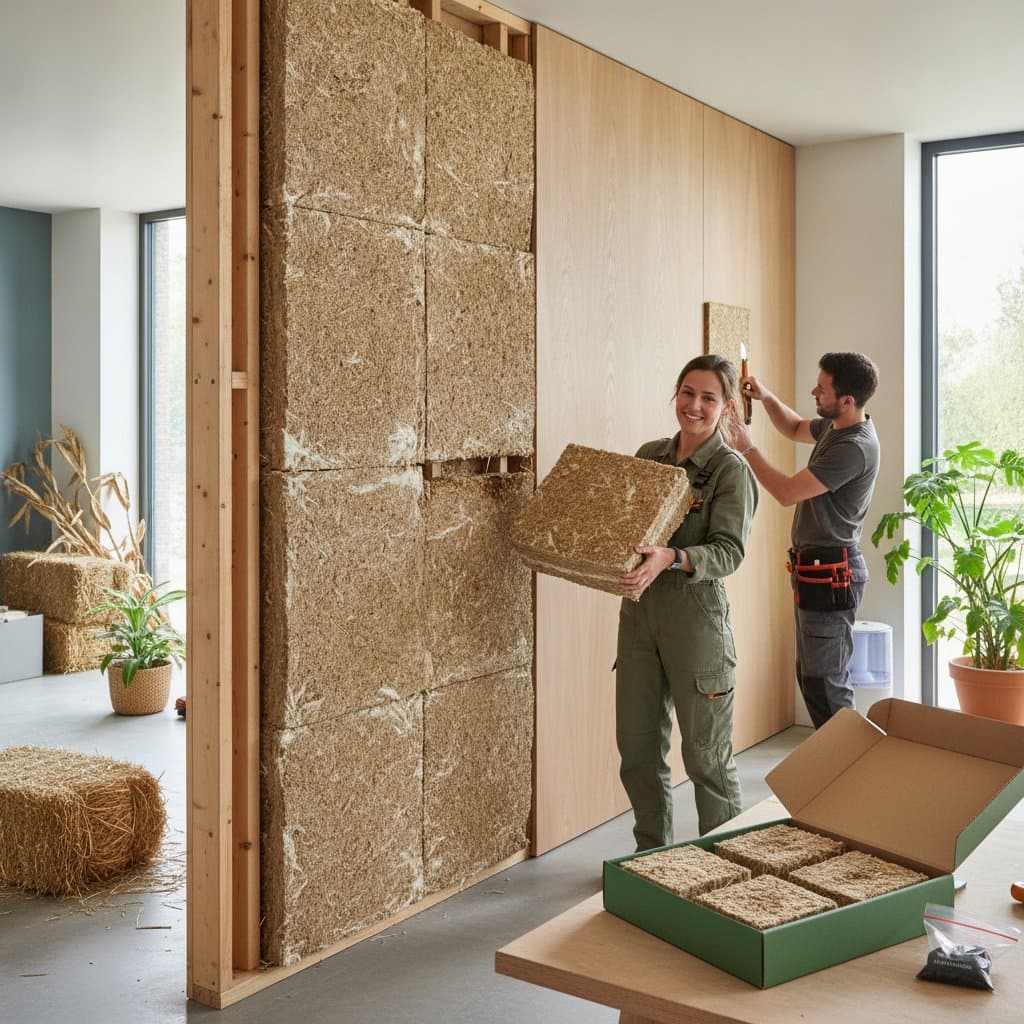
Mycelium Insulation: A Natural Fit for Sustainable Homes
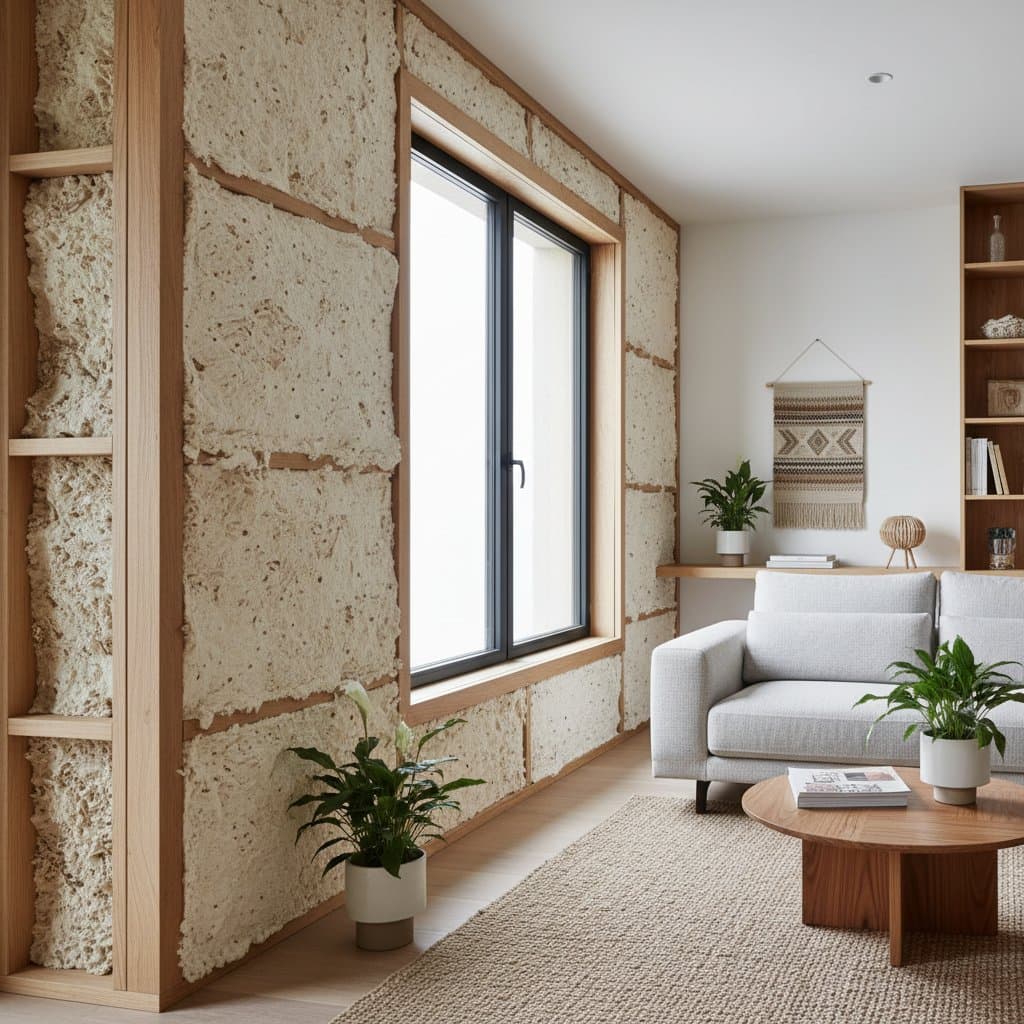
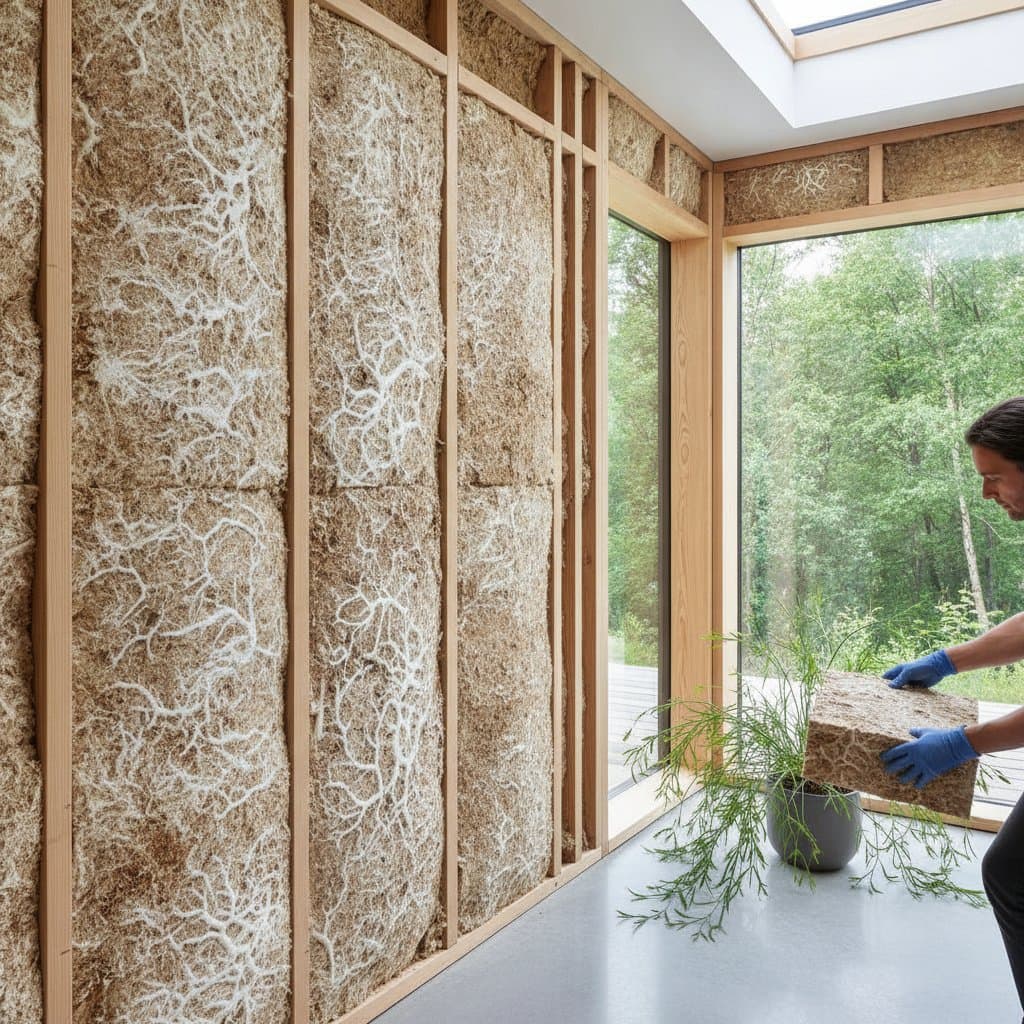
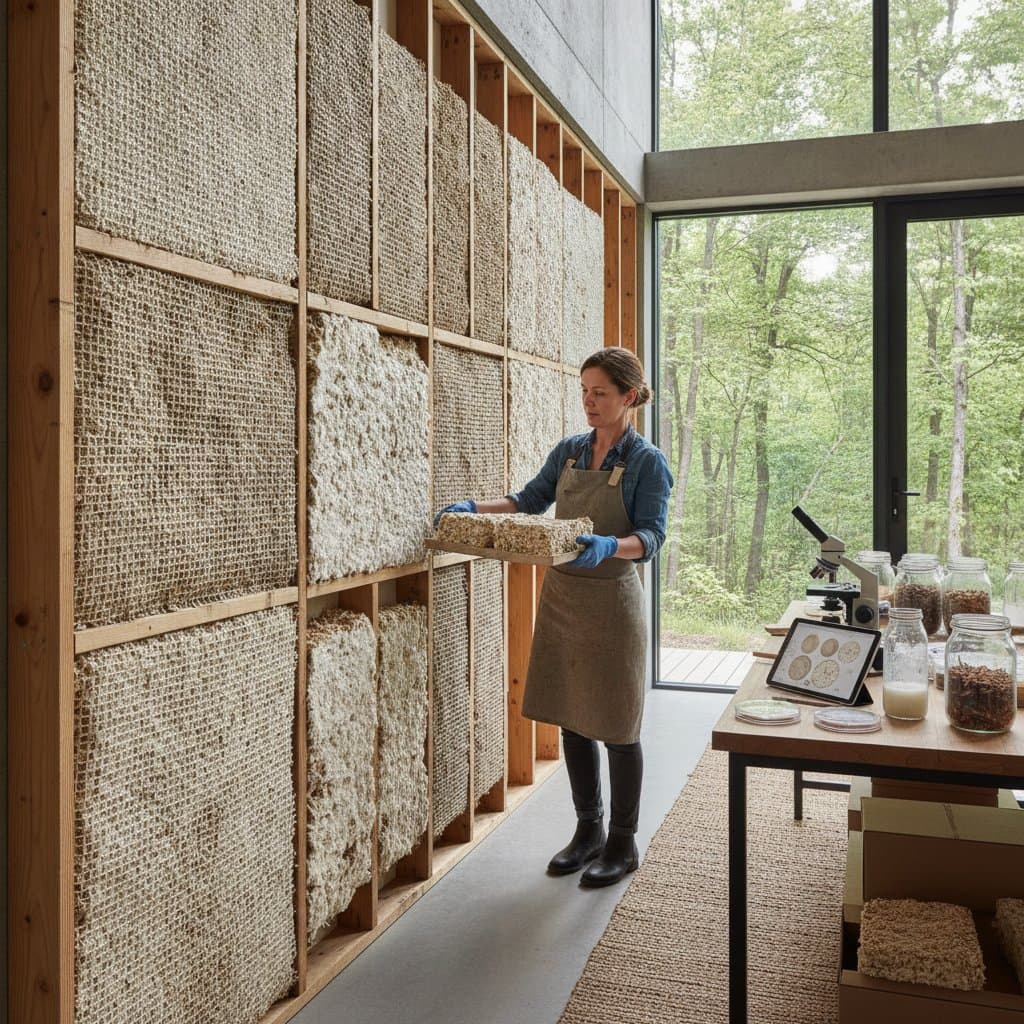
Sustainable design reshapes insulation choices with mycelium, the root-like structure of mushrooms. This renewable, biodegradable material delivers durability that rivals conventional options.
Homeowners seeking warmth, quiet, and reduced environmental impact find an answer in mycelium insulation. Designers, builders, and environmentally conscious residents increasingly recognize this nature-based innovation as a practical reality.
Key Benefits of Mycelium Insulation
Mycelium insulation addresses core needs in home performance through its unique properties. The following sections detail its advantages in thermal regulation, fire safety, and noise reduction.
Thermal Regulation Capabilities
Mycelium insulation excels in temperature control by capturing air in its fibrous matrix. This structure retains heat during winter and blocks it in summer, achieving R-values similar to fiberglass or foam boards, typically around R-3 to R-4 per inch of thickness.
Fire Resistance Properties
Mycelium withstands heat exposure better than many synthetics. It carbonizes gradually rather than flaming up, avoiding the release of harmful gases and meeting Class A fire ratings without added chemicals.
Architect Liam Porter, experienced in eco-housing initiatives, observes, "The inherent fire resistance of mycelium, free from chemical treatments, represents a significant benefit. It aligns sustainability with essential safety standards."
Sound Absorption Qualities
The material dampens noise through its porous yet compact composition. It reduces transmission of voices, traffic sounds, or mechanical hums by up to 50 percent in typical wall assemblies, surpassing some traditional insulators.
Urban residents and families value this feature for creating serene interiors. Sound management elevates daily living, turning overlooked design elements into tangible comforts.
Cost Analysis and Durability
Mycelium insulation enters the market at a premium, often 20 to 30 percent higher than fiberglass per square foot, due to its nascent production scale. However, energy savings of 15 to 25 percent annually offset initial expenses within five to seven years.
Sealed and dry installations ensure longevity exceeding 50 years. The material deters insects and rodents through natural compounds, while its permeability manages vapor to avoid condensation issues.
Designer Sofia Chen of EcoNest Design Co. comments, "Clients appreciate walls that grow rather than get factory-made. This regenerative approach fosters a sense of investment in restorative practices."
Optimal Applications in Home Design
Select placement maximizes mycelium insulation effectiveness. Focus on controlled environments to leverage its strengths.
- Interior partitions for enhanced acoustics and even temperatures
- Attic spaces and roof assemblies, where panels weigh less than 2 pounds per square foot
- Outbuildings like garages or guest structures for breathable barriers
- Retrofit projects emphasizing green materials in existing frameworks
Avoid direct water contact by incorporating vapor barriers in humid zones. Complementary finishes such as lime plasters or low-VOC paints preserve performance and amplify sustainability.
Maintenance Practices for Mycelium Insulation
Installed mycelium demands minimal upkeep. Prioritize moisture prevention through routine inspections and swift leak repairs.
In case of exposure to dampness, ventilate affected areas immediately or replace compromised sections to sustain integrity. The material resists microbial growth in well-aired settings, thriving in homes with mechanical or natural airflow systems.
Embracing Mycelium in Everyday Spaces
Mycelium insulation extends beyond function to inspire holistic design. It connects users to regenerative principles, where materials contribute positively to ecosystems.
Adopters often incorporate complementary items, such as mycelium panels for ceilings or biodegradable accents in furnishings. These elements infuse environments with organic aesthetics, promoting tranquility and connection to nature.
The shift to grown materials redefines comfort, highlighting how biological innovation enhances well-being without synthetic trade-offs.
Steps to Integrate Mycelium Insulation
Begin integration with targeted trials. Consult regional eco-suppliers for prototypes or visit green building expos to evaluate samples.
Apply in modest areas, such as a home office partition or loft insulation, to assess real-world results. Scale up based on observed efficiency and comfort gains.
Sustainable choices accumulate impact. Mycelium insulation demonstrates that practical advancements drive environmental progress, allowing homes to evolve responsibly.