Mycelium Insulation: A Natural Alternative to Foam Panels
Mycelium insulation offers a biodegradable option for exterior wall repairs. It delivers natural fire resistance along with strong thermal regulation. This material grows from fungal networks and matches the performance of many synthetic products while lowering overall carbon impact.
Core Advantages
- Mycelium insulation replaces synthetic panels in exterior repairs with a fully biodegradable option.
- It stabilizes indoor temperatures, resists fire through natural compounds, and lowers embodied carbon.
- Installation demands careful moisture management, controlled curing times, and compatible cladding for long service life.
- Property owners can add mycelium panels to existing walls or incorporate them into new sustainable construction projects.
Material Formation and Properties
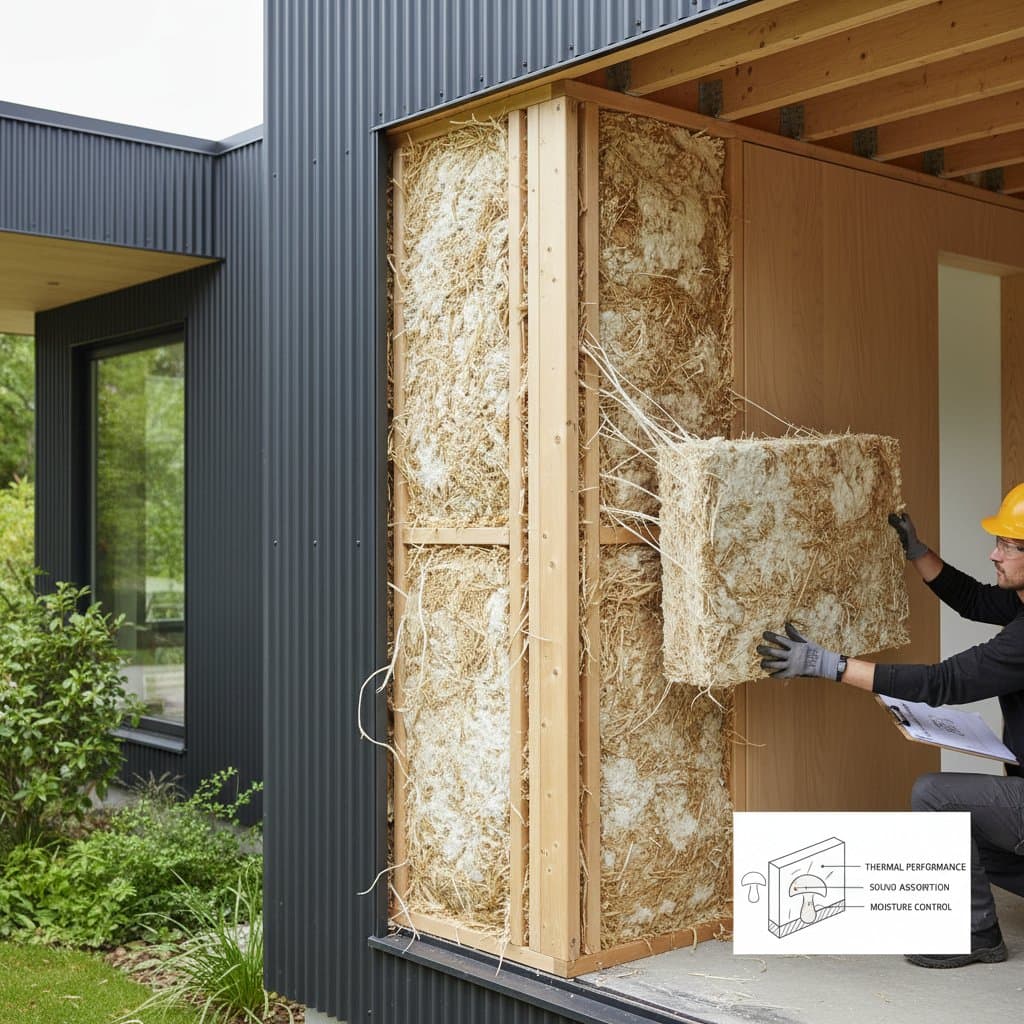
Mycelium consists of the root network from fungi. It binds organic waste such as sawdust or farm residues into a dense yet lightweight form. The finished material permits vapor passage and holds stable temperatures through trapped air pockets. Thermal performance reaches levels similar to mineral wool or rigid foam without petroleum based ingredients.
Mycelium products release no volatile organic compounds. Fire resistance stems from chitin and cellulose that char rather than melt. Once dried and sealed the material resists mold because it contains no remaining nutrients. At the end of use the panels break down safely in soil and return nutrients instead of adding to landfill volume.
Site Evaluation
Assess the current wall assembly before selecting mycelium insulation. Look for signs of moisture entry, blocked drainage, or compromised sheathing. The material performs best when air and vapor control layers remain functional and when no active leaks or decay exist. Homes already fitted with rain screens or ventilated cladding gain extra thermal and environmental benefits from mycelium panels.
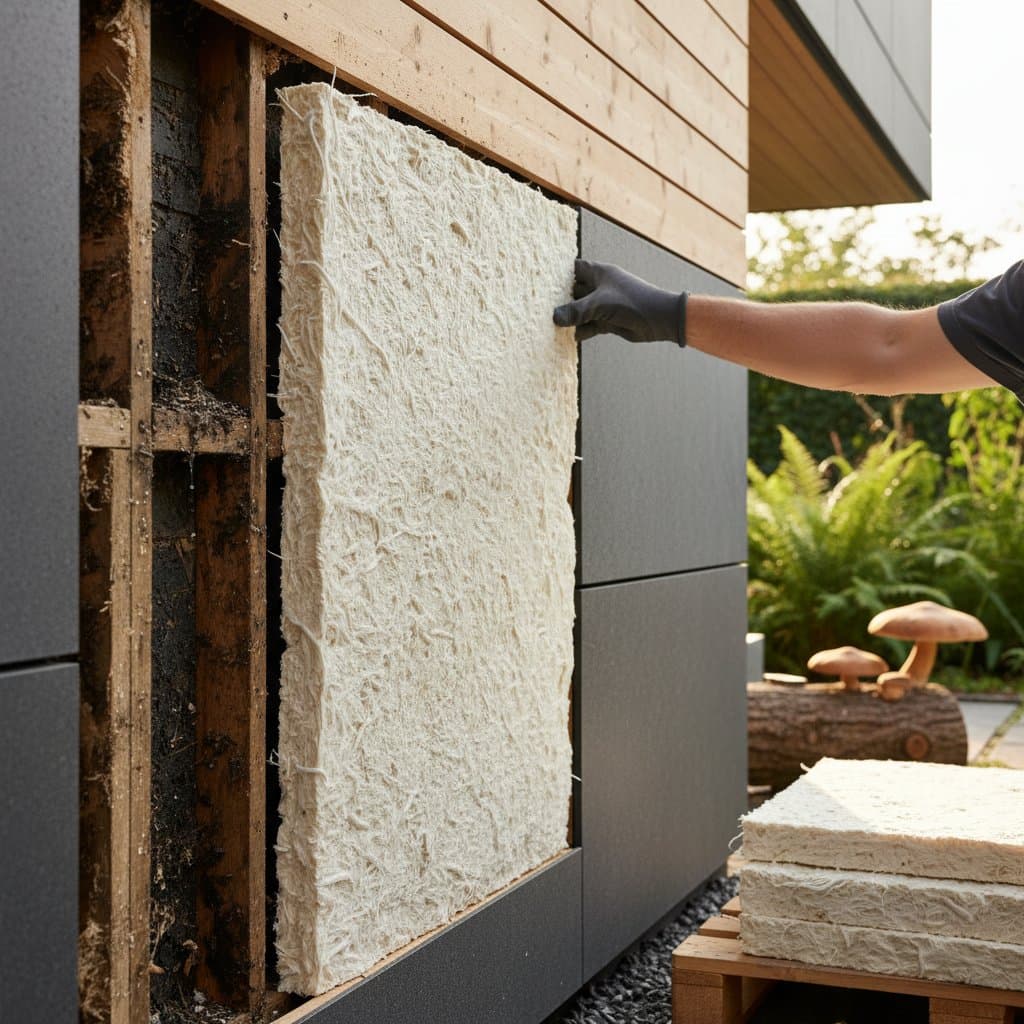
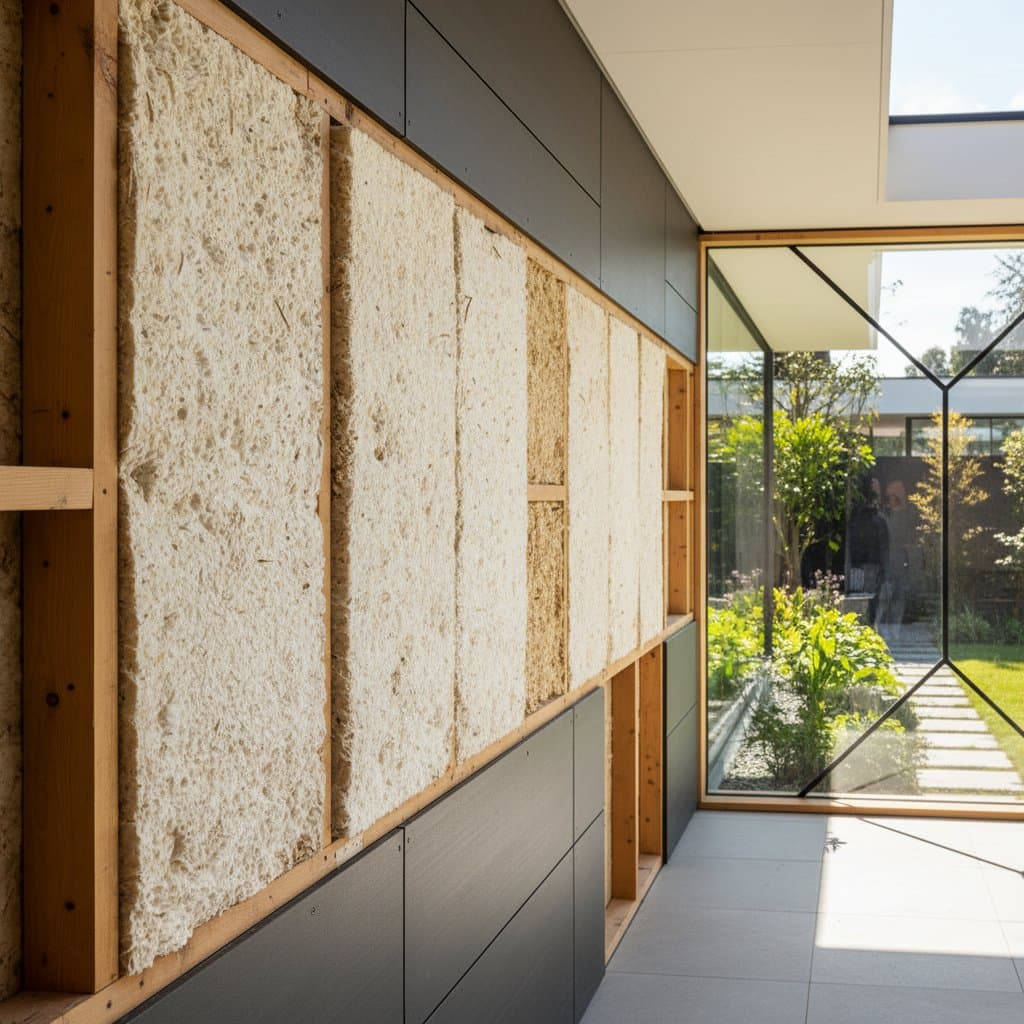
Older structures with failing insulation can receive mycelium boards during repair work. The panels fit within standard stud spaces. Masonry or stucco surfaces accept surface mounted panels secured by mechanical fasteners and finished with breathable coatings.
Required Tools and Preparation
Gather mycelium insulation panels, a vapor permeable weather barrier, stainless or coated fasteners, exterior sealant, and protective cladding such as wood siding or lime plaster. Keep a moisture meter and utility knife on hand. Wear gloves and a respirator during cutting or sanding. Complete all structural repairs first and schedule work during dry weather to avoid wetting the panels before sealing.
Installation Sequence
- Remove existing insulation and damaged sheathing then inspect and repair studs or masonry.
- Apply the vapor permeable barrier to block liquid water while permitting vapor escape.
- Trim mycelium panels to fit cavities or surfaces snugly.
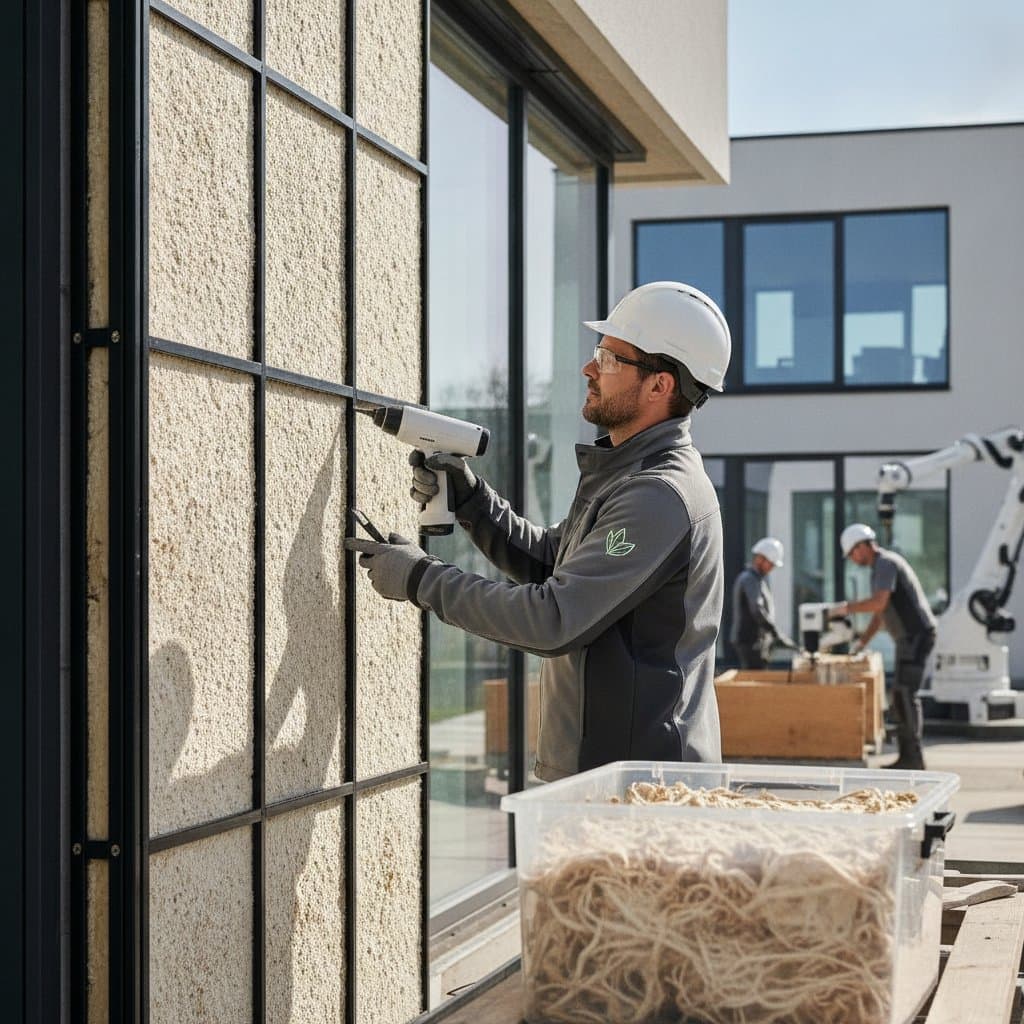
- Fasten panels with stainless hardware to maintain full contact with the substrate.
- Seal every joint and penetration with exterior grade sealant to limit air movement.
- Attach breathable cladding to protect the insulation from direct weather.
Keep the entire assembly vapor open. Impermeable coatings can trap moisture and reduce service life.
Post Installation Checks
Confirm that cladding allows ventilation and that sealant lines remain continuous. Use a moisture meter to verify cavity humidity stays within acceptable ranges. Thermal imaging helps locate any gaps or adhesion issues that could create cold spots.
Ongoing Care
Inspect exterior cladding on a regular schedule. Renew sealant at joints when cracks form and maintain clear drainage routes. Allow any wet panels to dry fully before resealing. Because the material stays biodegradable it can be serviced or exchanged without creating hazardous waste.
Performance Outcomes
Correctly installed mycelium insulation demonstrates how biological growth processes combine with standard building methods. Homeowners obtain reliable thermal control together with reduced environmental impact throughout the material life cycle.