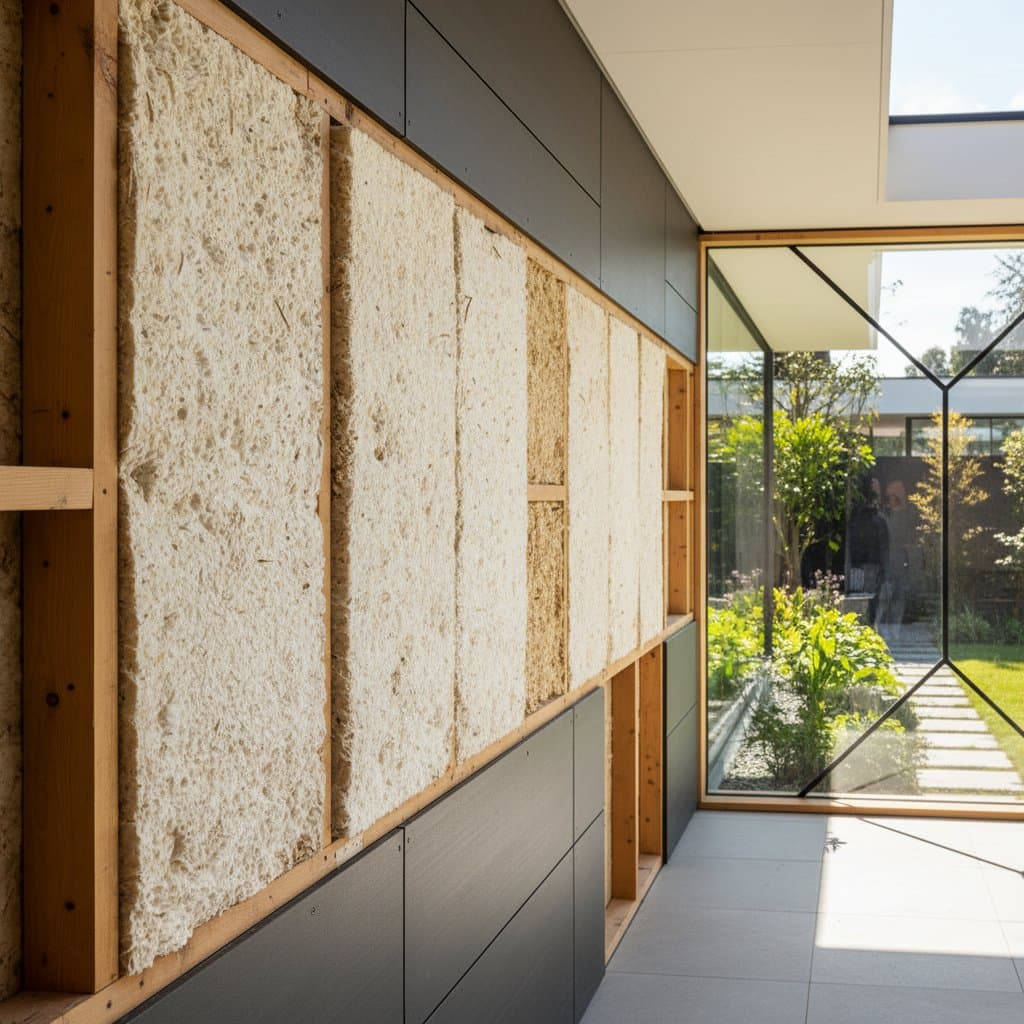
Mycelium: The Eco-Revolution in Exterior Coatings
Key Takeaways
- Mycelium coatings serve as a sustainable alternative to traditional exterior paints and finishes.
- These bio-based materials regenerate naturally and help lower carbon emissions in construction and maintenance processes.
- Their durability, breathability, and insulating properties adapt to various climates and building structures.
- Developments from European and Asian labs highlight strong performance and visual appeal.
- Homeowners benefit from low toxicity, reduced waste, and a subtle natural look that develops over time.
The Problem with Conventional Exterior Coatings
Traditional exterior paints endure harsh conditions, yet they impose significant environmental costs. These products frequently include petrochemical binders, synthetic pigments, and volatile organic compounds that degrade air quality and ecosystems. As they age, such coatings often crack, flake, or retain moisture, which fosters underlying structural damage.
What Makes Mycelium Coatings Different
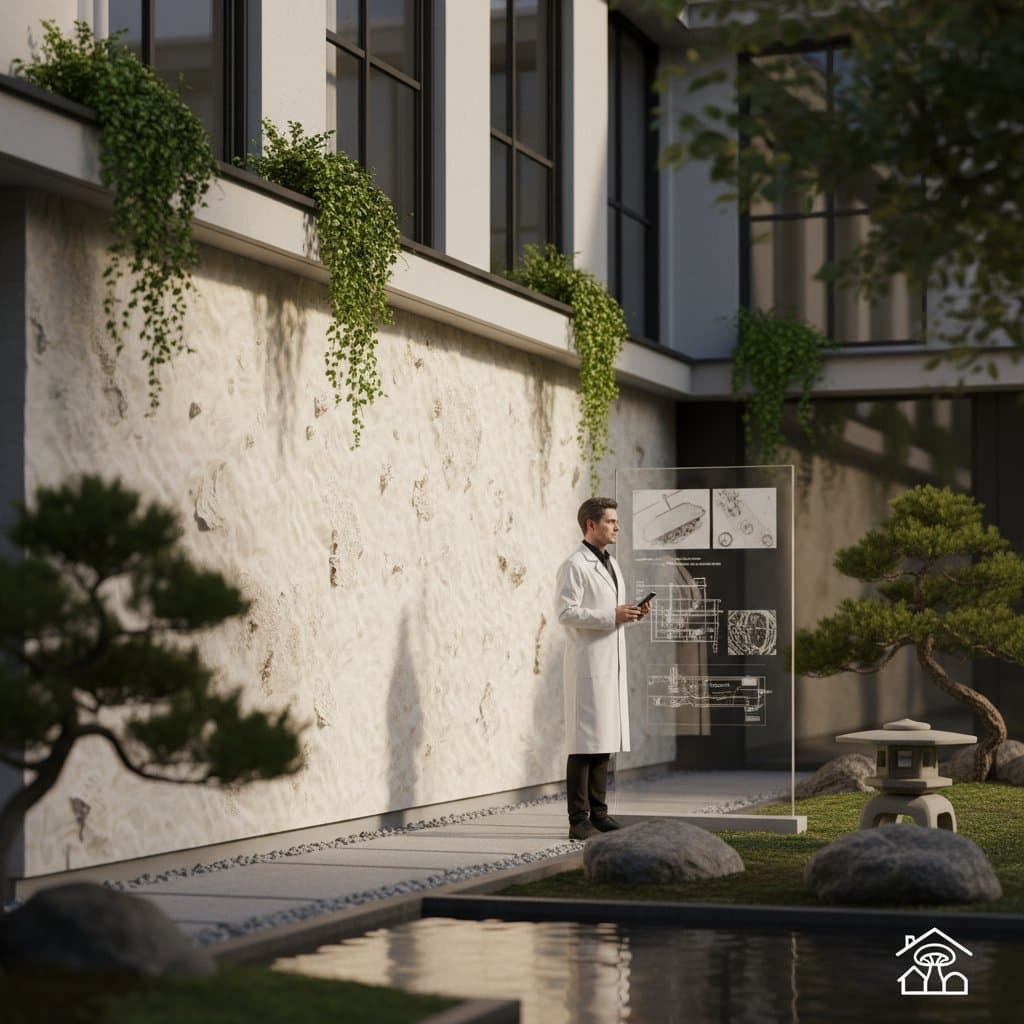
Mycelium coatings diverge from conventional paints by forgoing uniform polymers in favor of a microstructure that engages dynamically with surroundings. Rather than merely coating surfaces, they bond and adapt to them.
Key features include:
-
Natural Resilience
The flexible, fibrous film formed by mycelium withstands cracking and peeling. It expands and contracts alongside the building structure.
-
Breathability
This property permits vapor transmission through walls, minimizing condensation and mold in damp environments. It proves especially useful for historic structures with stone or brick exteriors.
-
Thermal Regulation
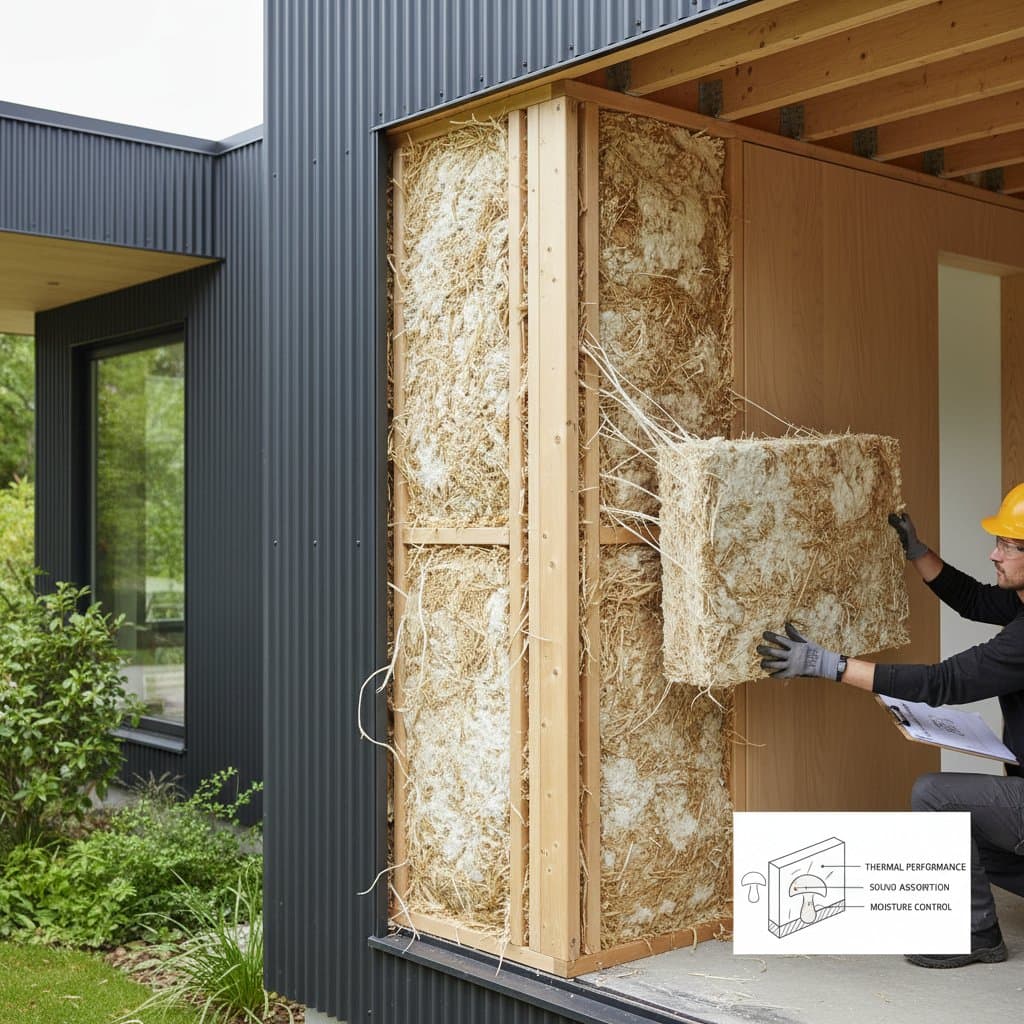
The organic composition offers gentle insulation, which moderates indoor temperatures and cuts heating or cooling demands.
-
Low Environmental Impact
Manufacturing requires little energy and repurposes agricultural waste. At the end of use, the material decomposes naturally, avoiding landfill accumulation.
-
Aesthetic Warmth
A matte texture imparts softness to surfaces. Mineral pigments enable subtle, nature-derived hues that enhance architectural harmony.
Global Innovations and Design Perspectives
Scandinavian architecture firms, guided by longstanding sustainability principles, apply mycelium coatings to timber facades. These applications enhance moisture control and yield a patina that matures gracefully with exposure to elements.
Japanese scientists have engineered a hybrid version incorporating mycelium and rice husk ash. This formulation reflects solar rays to cool surfaces while preserving breathability, embodying a fusion of technological progress and cultural heritage.
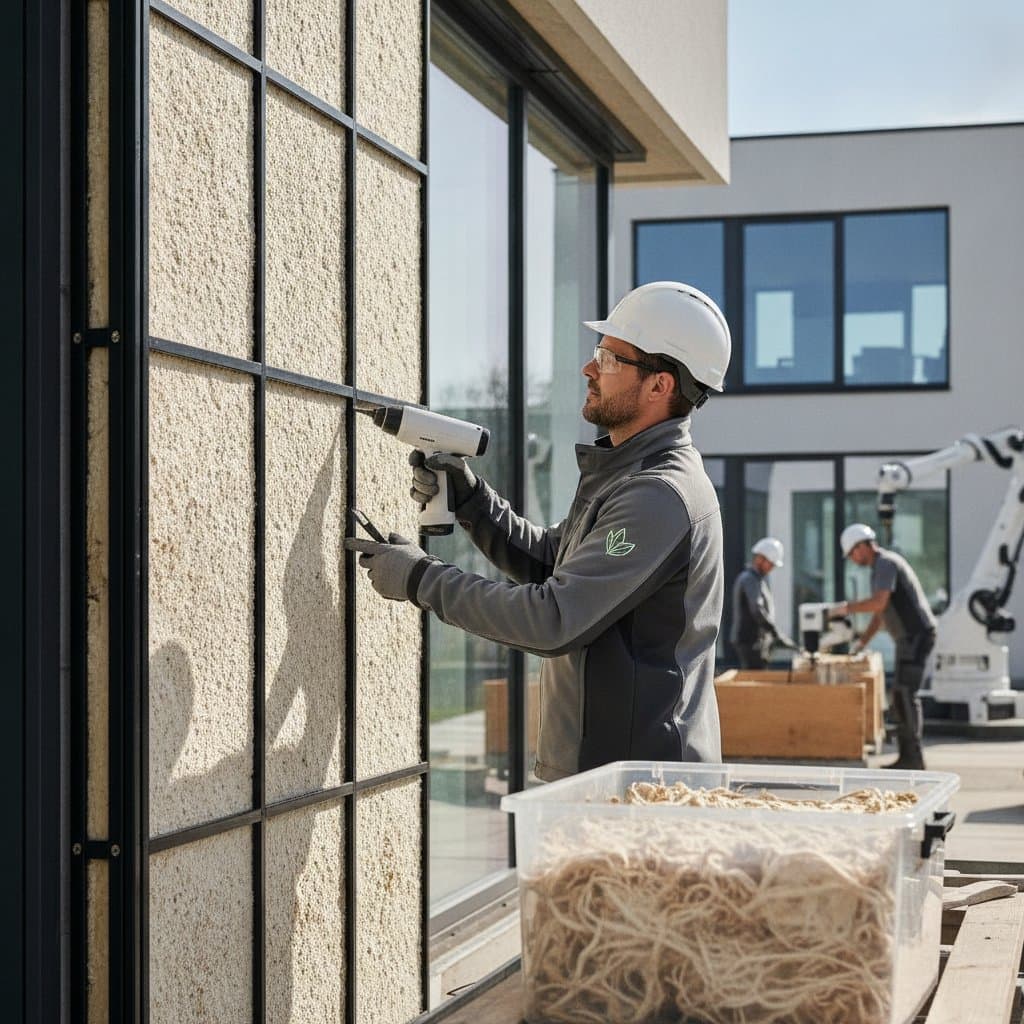
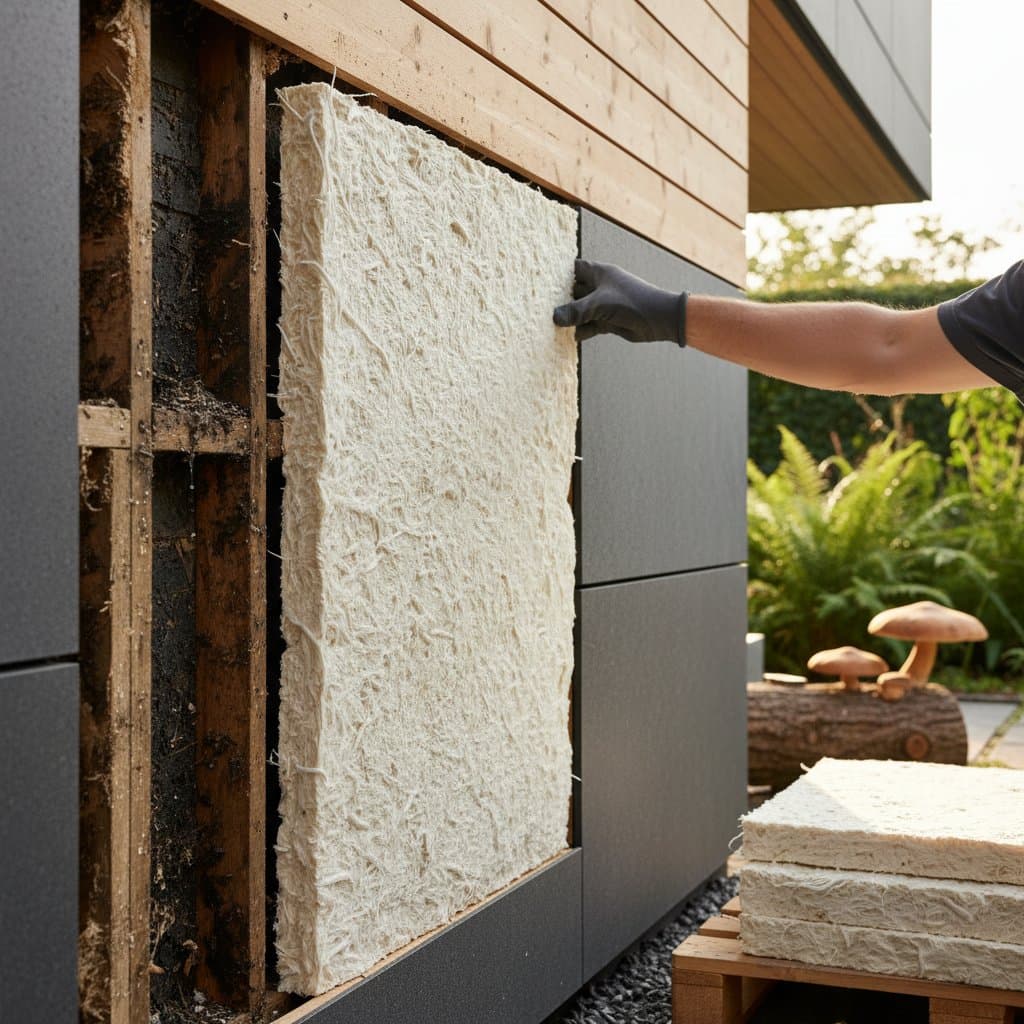
A Dutch startup produces modular panels featuring compressed mycelium layers for cladding and insulation. Such panels streamline installation by eliminating the need for multiple components.
These initiatives illustrate how bio-based materials drive architectural creativity and functionality across regions.
Expert Insights on the Future of Bio-Based Paint
Interior designer Sophie Langford, an advocate for sustainable materials, observes that mycelium extends the benefits of limewash and clay paints to exteriors. "We have seen what limewash and clay paints can do for interiors. Mycelium takes that same philosophy outdoors, creating exteriors that breathe and age gracefully," she said.
Architectural engineer Marco Rinaldi emphasizes production scalability. "The key is scalability. Once production systems for bio-based coatings mature, they will compete directly with mainstream paints in cost and performance," he added.
These perspectives signal an era where architectural design integrates seamlessly with ecological priorities.
How to Incorporate Mycelium Coatings at Home
Homeowners can adopt mycelium coatings through targeted projects, even as major builds pioneer their use.
-
Start Small
Apply the coating to garden structures like sheds or planters. Observe its behavior under local weather patterns before broader commitment.
-
Pair with Natural Materials
Combine with wood, stone, or brick to accentuate inherent textures. The coating enhances rather than conceals these elements.
-
Work with Professionals Familiar with Bio-Based Materials
Consult painters or contractors experienced in bio-based systems. They ensure correct preparation, application, and curing techniques.
-
Consider Maintenance Cycles
Refresh the coating periodically, akin to limewash upkeep. This process fosters a dynamic surface that reflects environmental changes.
-
Stay Informed About New Developments
Monitor advancements in UV protection and color options. Such updates keep applications aligned with emerging standards.
Living with Nature on Your Walls
Materials that evolve authentically hold particular appeal for homeowners seeking balance. Surfaces that record time and weather offer a narrative depth absent in static finishes. Mycelium coatings embody this principle, blending scientific precision with intuitive design.
They encourage buildings to interact with their surroundings, promoting healthier living spaces. For those prioritizing natural connections, mycelium provides an enduring, harmonious choice.
Moving Toward a More Sustainable Exterior
When planning an exterior update, evaluate mycelium coatings from verified bio-based suppliers. Prioritize those disclosing production practices for transparency.
This shift in coatings underscores a broader commitment to materials that align with natural processes. By selecting options that regenerate instead of deplete, individuals contribute to resilient building practices that echo ecological intelligence.