The Emergence of Mycelium-Based Cleaners for Bathroom Hygiene
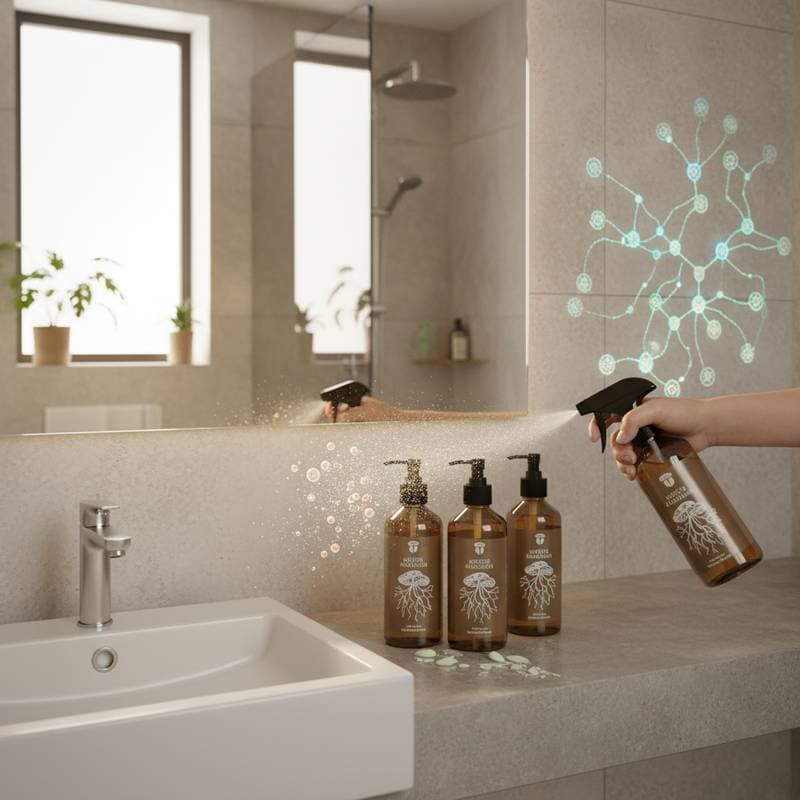
A innovative wave of sustainable cleaning solutions gains momentum in residential bathrooms, powered by the remarkable capabilities of mushrooms. Homeowners increasingly seek methods to streamline cleaning tasks while eliminating exposure to synthetic chemicals. Mycelium-based cleaners emerge as a viable option, delivering robust performance through biological processes that prove both secure and efficient.
These products leverage fungal biology to degrade organic residues and microbial contaminants without relying on aggressive agents. The underlying principles draw from established microbiology, with research accelerating to validate their efficacy in everyday applications.
The Demand for Milder Alternatives in Bathroom Cleaning
Bathrooms often demand robust cleaning due to persistent moisture and organic accumulation. Conventional chemical formulations, while potent, frequently deposit lingering residues that provoke dermal irritation or respiratory discomfort. Individuals with sensitivities to artificial scents or compounds encounter heightened risks during routine maintenance, transforming a necessary chore into an unwelcome challenge.
The Mechanism of Natural Cleansing Through Mycelium
Mycelium forms the subterranean network of fungi, producing enzymes adept at decomposing complex organic substances. Within cleaning formulations, these enzymes selectively dismantle common bathroom deposits such as limescale from hard water, fatty residues from soaps, and fungal growths like mildew. This process mimics natural decomposition, targeting contaminants at the molecular level rather than merely masking them.
Dr. Jamie Chen, a biochemist focused on eco-materials, elaborates, "These enzymes work like tiny workers. They recognize dirt as food, so the cleaner keeps working even after you rinse." This persistent activity reduces the frequency of applications and minimizes overall consumption. Users report visible improvements in surface clarity after initial uses, with enzymes continuing to inhibit regrowth.
The specificity of fungal enzymes ensures they activate only in the presence of suitable substrates, avoiding unnecessary reactions on clean areas. This targeted efficiency distinguishes them from broad-spectrum chemical agents, which often require dilution or neutralization post-application. As a result, integration into daily routines becomes straightforward and resource-efficient.
Advantages Extending to Health and Sustainability
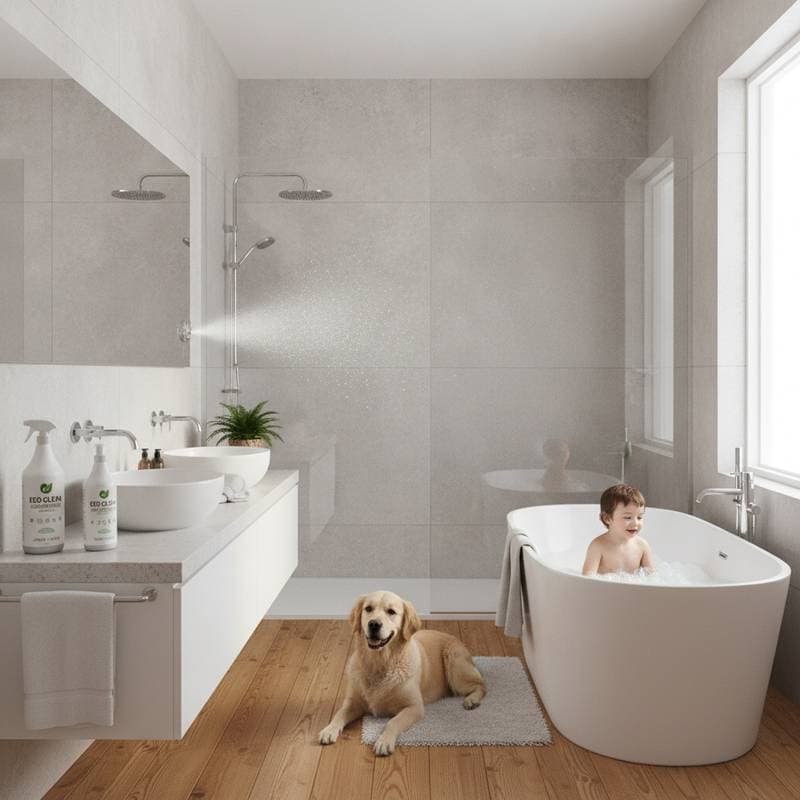
Mycelium cleaners excel in harmonizing efficacy with user safety, featuring full biodegradability and absence of toxic components. Packaging typically incorporates recyclable or reusable containers, further curtailing plastic waste. Families with young children or companion animals benefit from reduced risk of accidental exposure, enhancing overall household tranquility.
Frequent use of synthetic antibacterials contributes to the development of resilient microbial strains, complicating future sanitation efforts. Enzymatic cleaners disrupt this cycle by promoting ecological balance, allowing beneficial microbes to thrive alongside effective contaminant removal. This fosters a resilient indoor ecosystem, subtly bolstering occupant health through improved microbial diversity.
Environmental considerations amplify their appeal; production processes consume fewer resources than chemical manufacturing, and disposal poses no ecological burden. Certifications from bodies like the EPA Safer Choice program often validate these attributes, assuring consumers of rigorous testing. Over time, adoption supports broader shifts toward circular economies in household products.
Selecting Optimal Mycelium Cleaners for Bathroom Applications
Navigating the selection of mycelium-based products requires attention to formulation details, much like evaluating any specialty item. Begin with versatile options suited for tiles, glass, and porcelain to assess compatibility with specific fixtures. Prioritize listings that explicitly detail mycelium extracts or specified fungal enzymes as primary actives.
Steer clear of ambiguous descriptors such as "plant-derived" without further breakdown, as they may obscure less effective fillers. Reputable brands provide usage guidelines and performance data, signaling commitment to transparency and quality. Consider concentration levels; higher enzyme potency suits heavy-duty tasks, while milder variants work well for maintenance.
Factor in complementary features like pH neutrality to safeguard delicate surfaces such as natural stone or sealed wood accents. User reviews from diverse households offer insights into real-world durability, particularly in hard-water regions prone to scaling. This methodical approach ensures a worthwhile investment in long-term cleaning efficacy.
Practical Techniques for Incorporating Mycelium Cleaners
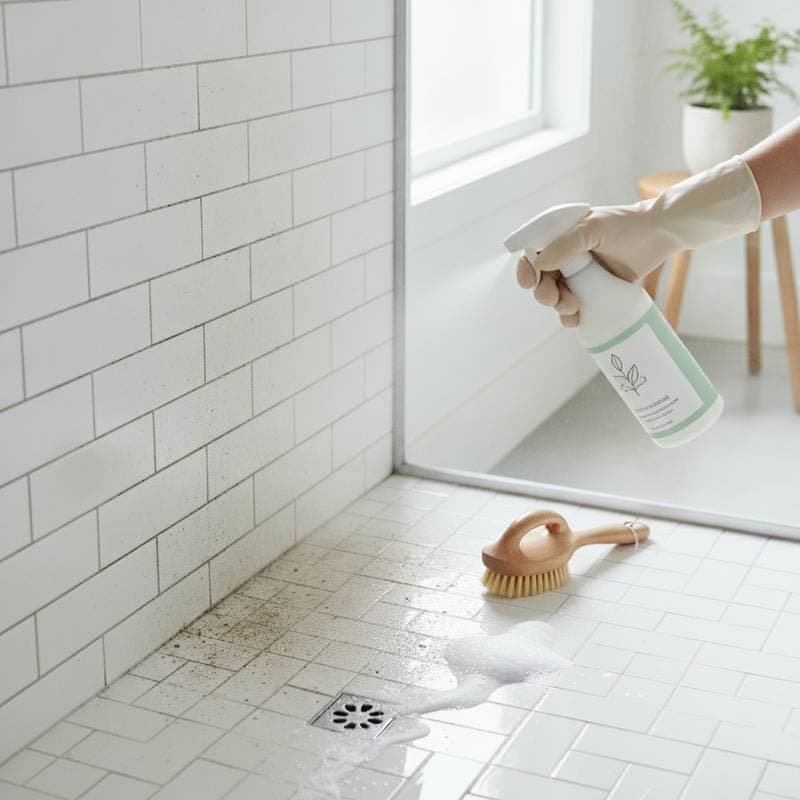
Application mirrors conventional sprays or dilutions, with minor adaptations to maximize enzymatic potential. Allow sufficient dwell time, typically three to five minutes, permitting enzymes to penetrate and solubilize embedded grime. Employ microfiber cloths or non-scratch sponges to lift residues gently, preventing micro-abrasions on glossy finishes.
Light rinsing suffices for most formulations, conserving water compared to thorough flushing required by chemical alternatives. Position storage away from heat sources or prolonged light exposure to maintain enzyme viability, extending product longevity beyond standard shelf lives. For stubborn areas like shower doors, repeat applications at intervals enhance cumulative results without overexertion.
Integrate into weekly routines by targeting high-traffic zones first, such as sinks and tubs, before addressing less frequented spaces. This phased method builds familiarity and reveals optimal dilution ratios for varied surfaces. Over successive uses, observe how reduced scrubbing effort translates to time savings and physical ease.
Achieving a Healthier, More Sustainable Bathroom Environment
Transitioning to mycelium-based cleaners yields tangible enhancements in daily living, from diminished synthetic odors to fresher ambient air. Maintenance demands lessen as preventive enzymatic action curbs recurrent buildup, streamlining household workflows. This shift elevates the bathroom from a functional space to a sanctuary aligned with wellness priorities.
Design expert Rafi Gomez of Clean Habitat Studio summarizes, "The most sustainable bathroom is one that stays clean without costing your comfort." Mycelium cleaners embody this principle, bridging innovative biotechnology with practical design. They enable households to embrace eco-conscious habits that endure, nurturing spaces where health and harmony coexist effortlessly.