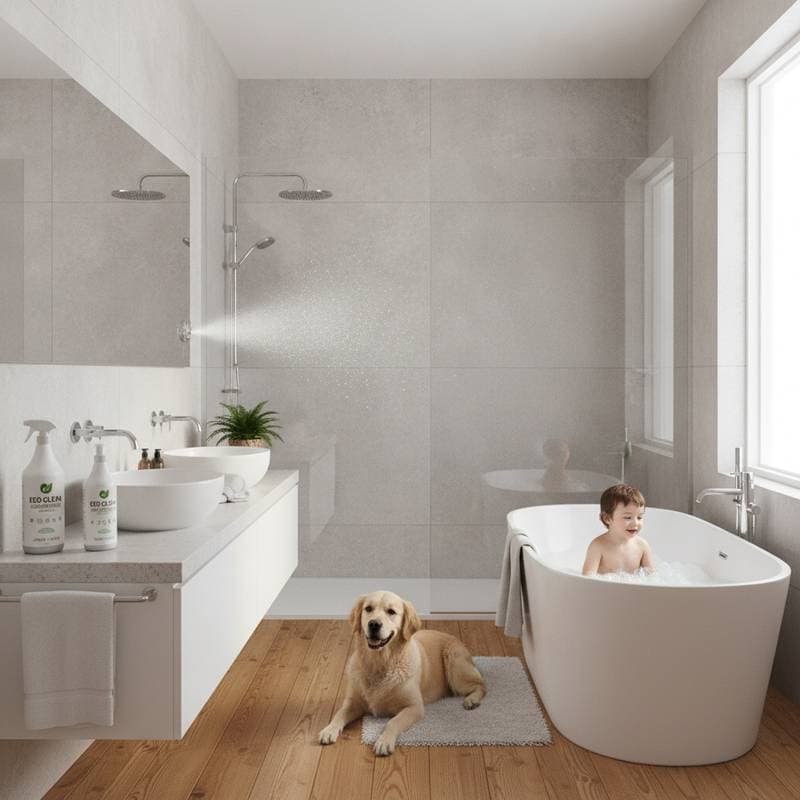
Chemical-Free Steam Transforms Home Cleaning
Homeowners often return to their homes after cleaning and notice persistent chemical smells. Traditional cleaners leave behind residues, release fumes, and spark health concerns. Many apply excessive chemicals in an effort to maintain cleanliness. Steam offers a superior alternative through a simple, time-tested approach.
With over two decades of experience in residential cleaning, the author has tested countless products and machines that claim spotless outcomes. Few provide meaningful benefits. Steam cleaning, executed correctly, excels by removing dirt, grime, and germs from surfaces without adding any chemicals.
Why Homeowners Overuse Chemical Cleaners
Habit compels most people toward chemical-based products. These items promise quick results: spray, wipe, and surfaces appear clean. In reality, this approach masks dirt rather than removes it. Residues build up over time, dulling finishes and attracting more soil.
The Mechanics of Steam Cleaning
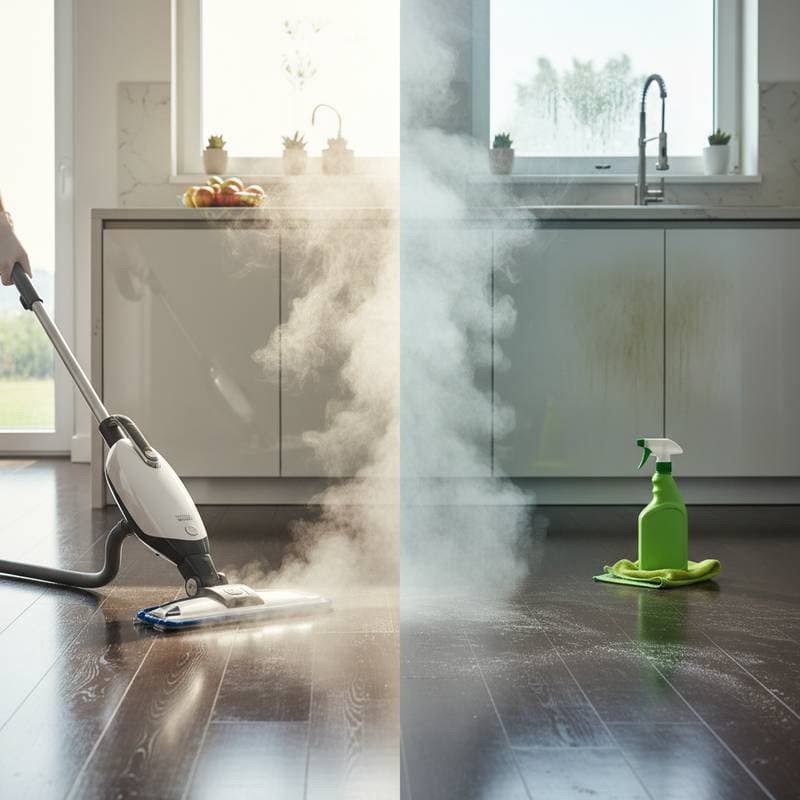
Steam cleaning converts water into vapor through heating. When the vapor meets a surface, it loosens dirt, grease, and bacteria. The heat breaks bonds in sticky residues that ordinary techniques cannot touch. Steam seeps into tiny pores and cracks, pulling out deeply embedded particles.
Both temperature and pressure play vital roles. Most consumer steam cleaners reach 200 degrees Fahrenheit, a level that sanitizes nonporous surfaces. This heat kills bacteria and dust mites on contact. Unlike chemical disinfectants that require waiting periods, steam works instantly.
In professional applications, steam cleaning rejuvenates surfaces beyond basic sanitation. It restores the natural sheen of tile, stone, and sealed wood by eliminating films left by detergents.
Prime Areas in the Home for Steam Cleaning
Steam cleaning works across various rooms and materials when techniques align with the surface. It outperforms traditional methods in key locations.
Kitchen Surfaces
Kitchens gather grime quickly. Grease clings to cabinets, stove hoods, and backsplashes, often requiring harsh scrubbing with degreasers. Steam cuts through this buildup rapidly. Aim the nozzle at the area, let the heat loosen the residue, and follow with a swipe from a microfiber cloth.
Stainless steel appliances shine after steam treatment. It removes fingerprints and smudges without streaks or the need for polishes. Dry the surfaces right away to prevent water spots.
Bathrooms
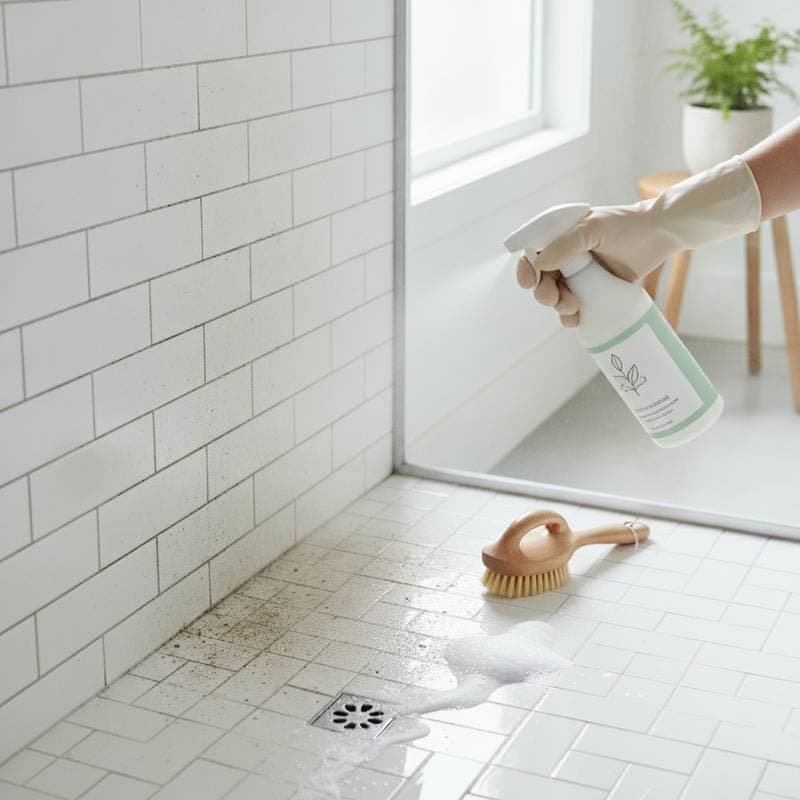
Bathrooms promote bacterial and mildew proliferation. Bleach-based cleaners kill germs but wear down grout and finishes over time. Steam tackles these issues safely and completely. It penetrates grout lines, sanitizes toilet bases, and dissolves soap scum on shower doors.
Glass achieves crystal clarity without the cloudy films from store-bought cleaners. On tile floors, steam lifts dirt from textured grooves that mops miss.
Floors and Carpets
Hard floors such as tile, sealed hardwood, and vinyl clean deeply with steam, free of chemicals. Always check manufacturer recommendations for wood, as unsealed types may warp from moisture.
Carpets and rugs pair well with attachments on contemporary steam cleaners that inject and extract vapor. This process refreshes fibers and reduces allergens. Use it alongside, not in place of, occasional shampooing for best results.
Upholstery and Mattresses
Steam sanitizes fabrics with efficiency. It eradicates dust mites, neutralizes odors, and lifts embedded dirt. Apply it to sofas, curtains, and mattresses for a fresh start. Always test in an inconspicuous area to verify fabric durability.
Windows and Mirrors
Steam leaves glass streak-free and residue-free. Use a squeegee attachment to manage large windows swiftly. This method bypasses ammonia-laden products entirely.
Selecting the Right Steam Cleaning Equipment
Choose a steam cleaner that matches your home needs.
- Handheld units work for small jobs like grout lines, faucets, or counters. They heat up fast and handle tight spaces with ease.
- Canister models support full-house cleaning. Attachments cover floors, upholstery, and windows, while large tanks allow longer use without refills.
- Steam mops focus on sealed hard floors. Built-in mop heads and steam output make sanitizing straightforward in one pass.
Opt for machines with adjustable steam levels. Delicate items like painted trim or laminates need gentler settings. This versatility prevents damage across different materials.
Safety and Best Practices for Steam Cleaning
Steam cleaning proves accessible for beginners, but safety remains paramount. The vapor attains scalding heat. Wear closed-toe shoes to guard against drips. Keep hands clear of the nozzle during operation.
Avoid directing steam toward electrical outlets or active appliances. For areas near wiring, such as light switches or vents, turn off power first.
Do not use steam on unsealed wood, unglazed tile, or soft plastics that might warp. Test doubtful surfaces in a small spot beforehand.
Avoiding Pitfalls in Steam Cleaning
Improper use can lead to problems with steam cleaning. Overly long exposure to moisture causes the most common issue. Lingering water damages surfaces if evaporation lags.
Wrong attachments exacerbate troubles. For instance, nylon brushes scratch chrome finishes. Match tools to the material for protection.
Do not anticipate immediate removal of set-in stains. Steam handles everyday grime well, but stubborn spots may need pre-treatment. It performs exceptionally, though realistic expectations enhance satisfaction.
When to Call in Professionals
Homeowners manage routine steam cleaning effectively. Some cases call for expert help.
Natural stones like marble or limestone require professional handling. Excessive heat can etch or dull these surfaces. Antique furniture and specialty fabrics demand similar caution.
For intensive carpet restoration or mold remediation, hire specialists. They use industrial-grade steam systems with higher pressures, temperatures, and extraction for complete drying.
Long-Term Benefits of Steam Cleaning
Switching to steam cuts costs and clutter from chemical stockpiles. Regular sessions highlight the unnecessity of many products. A single tank of water handles the entire home.
Steam extends surface life. Removing buildup lets materials keep their original appeal. Wood floors regain vibrancy, grout stays clean, and stainless steel holds its luster.
Indoor air quality rises significantly. Without residues, homes smell fresh and neutral. Cleaning addresses odor sources at their root.
Tips for Peak Steam Cleaning Performance
Use distilled water to prevent mineral buildup in nozzles. Tap water can cause scaling inside the unit.
Clean one area at a time, allowing each to dry fully before moving on. This approach limits moisture penetration into seams.
Keep a supply of microfiber cloths on hand for thorough wiping.
After sessions, rinse tanks and attachments. Proper upkeep boosts longevity and performance.
Maintain good airflow during cleaning. Steam adds temporary humidity, but it dissipates cleanly.
Building a Steam Cleaning Routine
Adopting steam shifts the focus of home care. It returns surfaces to their natural state instead of layering on coverings.
Start small, perhaps with bathroom tiles or kitchen counters. The clean, residue-free results encourage broader use.
For households prioritizing health and efficiency, steam delivers professional-level sanitation minus chemical risks.