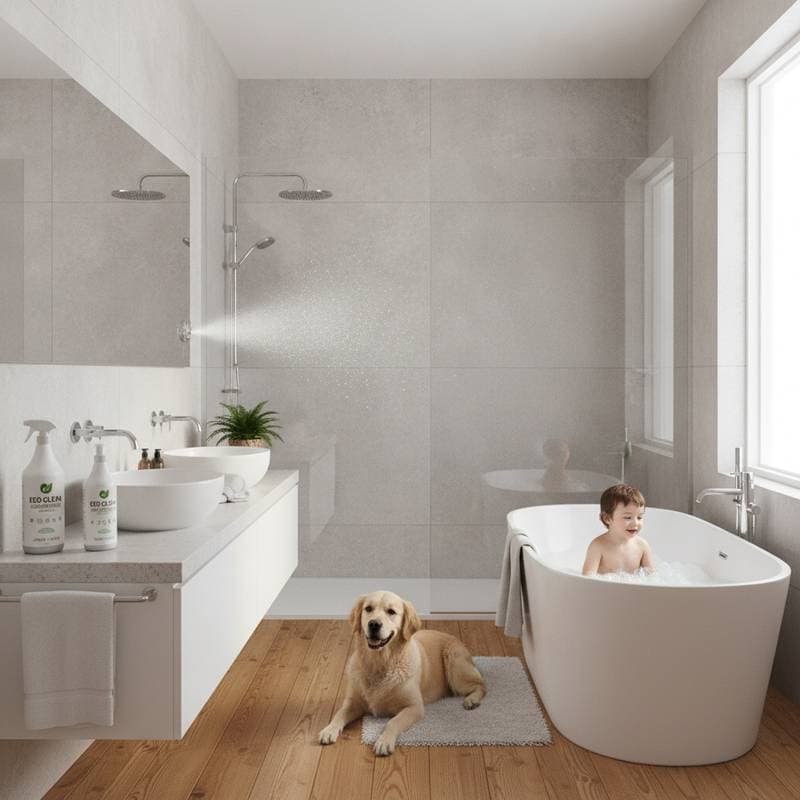
Ultrasonic Technology Achieves Effortless Bathroom Cleanliness
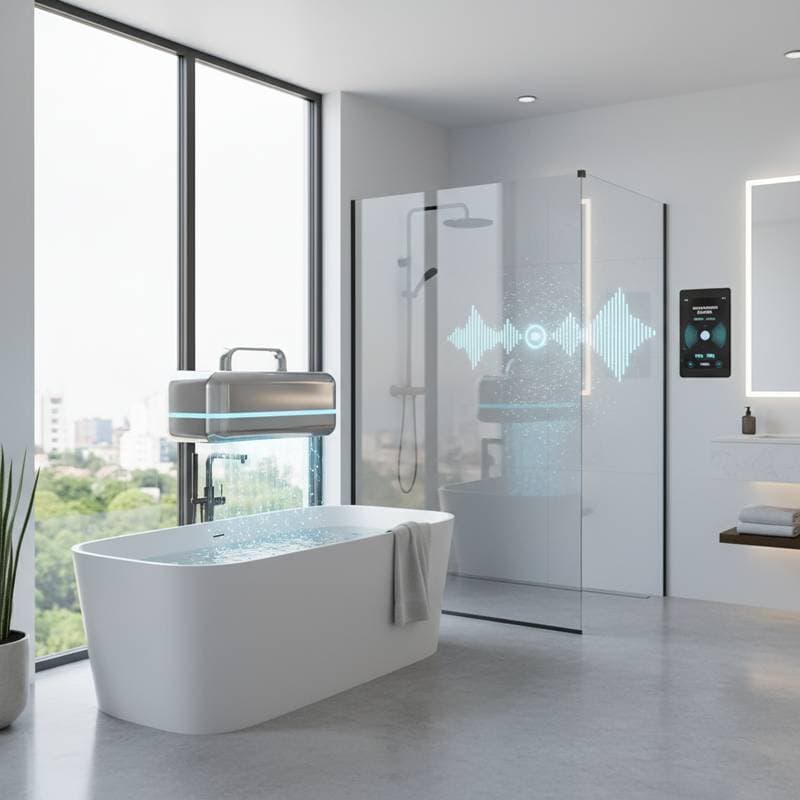
Bathrooms present persistent cleaning challenges due to accumulating residues and contaminants. Traditional methods demand significant time and physical effort, often yielding incomplete results. Ultrasonic cleaning emerges as an innovative solution, leveraging sound wave technology to deliver thorough sanitation with reduced labor.
Challenges of Conventional Bathroom Cleaning
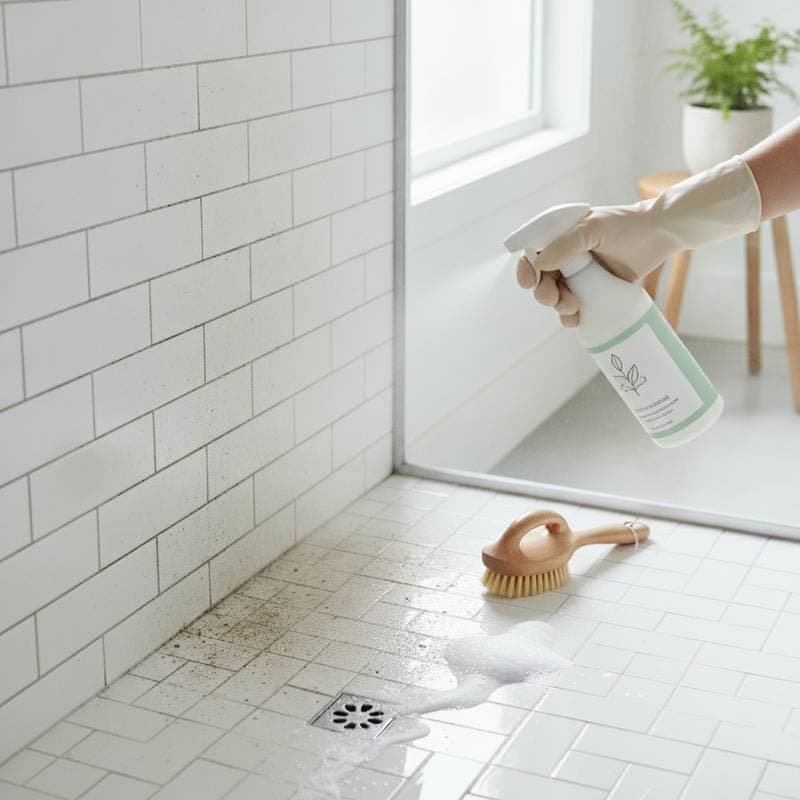
Standard cleaning routines involve abrasive scrubbing and chemical agents to combat soap scum, mineral deposits, limescale, and microbial growth. These approaches prove labor-intensive and may damage delicate surfaces over time. Moreover, synthetic cleaners frequently leave residual odors, compromising indoor air quality and user comfort.
Homeowners seek alternatives that prioritize efficacy without environmental drawbacks. Ultrasonic methods address these issues by minimizing chemical use and eliminating vigorous manual action.
Introduction to Ultrasonic Cleaning
Mechanism of Ultrasonic Cleaning
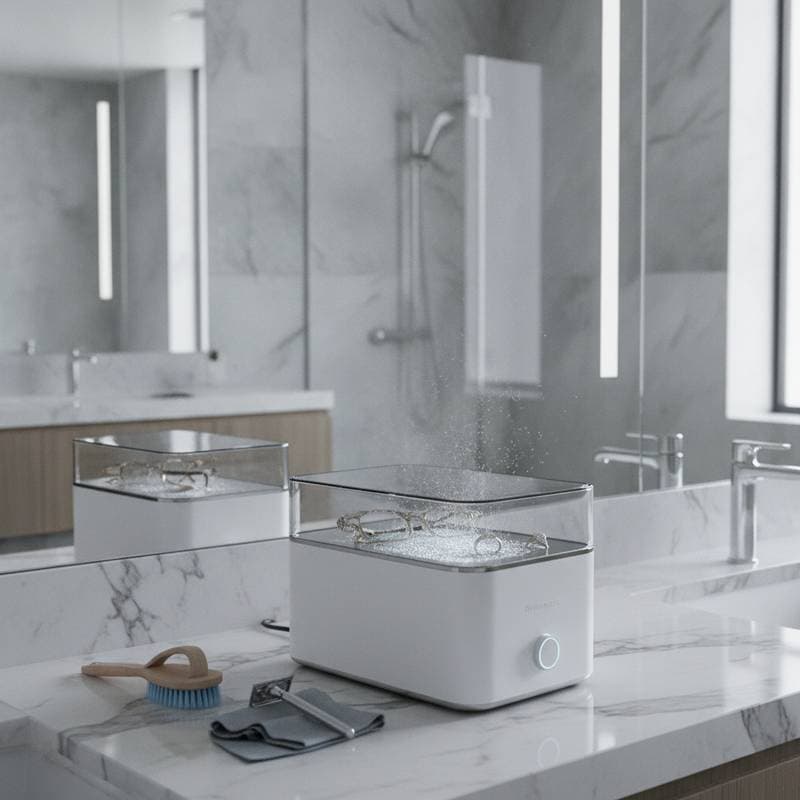
The process relies on piezoelectric transducers that convert electrical energy into mechanical vibrations at frequencies exceeding 20,000 Hz. This creates alternating high- and low-pressure cycles in water or mild solutions, forming and imploding microscopic bubbles.
These implosions generate localized shock waves powerful enough to dislodge embedded particles, biofilms, and scale without surface abrasion. The action penetrates microscopic pores and irregular textures, surpassing the reach of brushes or cloths.
Results manifest quickly, often within minutes, producing residue-free finishes. Users report substantial time savings, with full bathroom sessions completing in under 30 minutes compared to hours of traditional methods.
Applications in Bathroom Maintenance
Ultrasonic cleaning excels across various bathroom elements. Consider the following targeted uses:
- Faucets and fixtures: Effectively dissolves calcium and lime deposits, restoring metallic luster without corrosive agents.
- Tile and grout: Penetrates porous materials to extract ingrained dirt and mildew, preventing discoloration.
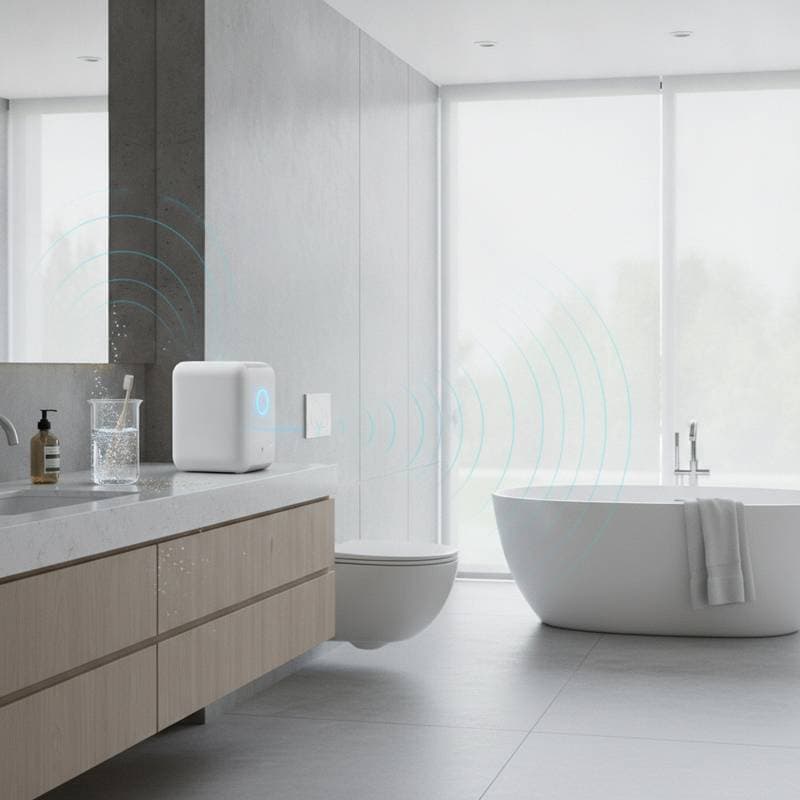
- Accessories like toothbrush holders and soap dishes: Cleans intricate designs thoroughly, eliminating hidden bacteria.
- Glass surfaces and mirrors: Yields streak-free clarity by lifting films and smudges.
For optimal performance, pre-rinse items and use the device in conjunction with a damp cloth for final wiping. This combination ensures comprehensive sanitation while preserving material integrity.
Practical Guidelines for Implementation
Select devices based on intended scope: handheld models suit spot treatments, while larger units accommodate removable parts such as showerheads. Employ distilled water to mitigate mineral interference, particularly in regions with hard water supplies.
Begin by filling the reservoir and positioning the transducer near the target area. Activate for 1-3 minutes per section, monitoring progress to avoid overexposure. Post-treatment, rinse with fresh water and dry to prevent water spots.
Initial sessions may require adjustment to technique, but proficiency develops rapidly. Integrate into weekly routines for sustained cleanliness, reducing the frequency of deep cleans.
Benefits and Sustainability
This technology promotes health by curtailing chemical exposure and bacterial persistence. It aligns with eco-conscious practices through water-based operation and reusable components, diminishing waste from disposable wipes and bottles.
Users experience enhanced motivation for maintenance, as the process proves less fatiguing. Bathrooms maintain a neutral, fresh ambiance without artificial fragrances, contributing to overall well-being.
Sustaining Long-Term Cleanliness
Regular ultrasonic application transforms bathroom upkeep from a chore into a streamlined habit. Sparkling fixtures and hygienic surfaces become attainable with consistent, low-effort interventions. This approach empowers households to uphold high standards efficiently, fostering environments that support daily comfort and hygiene.