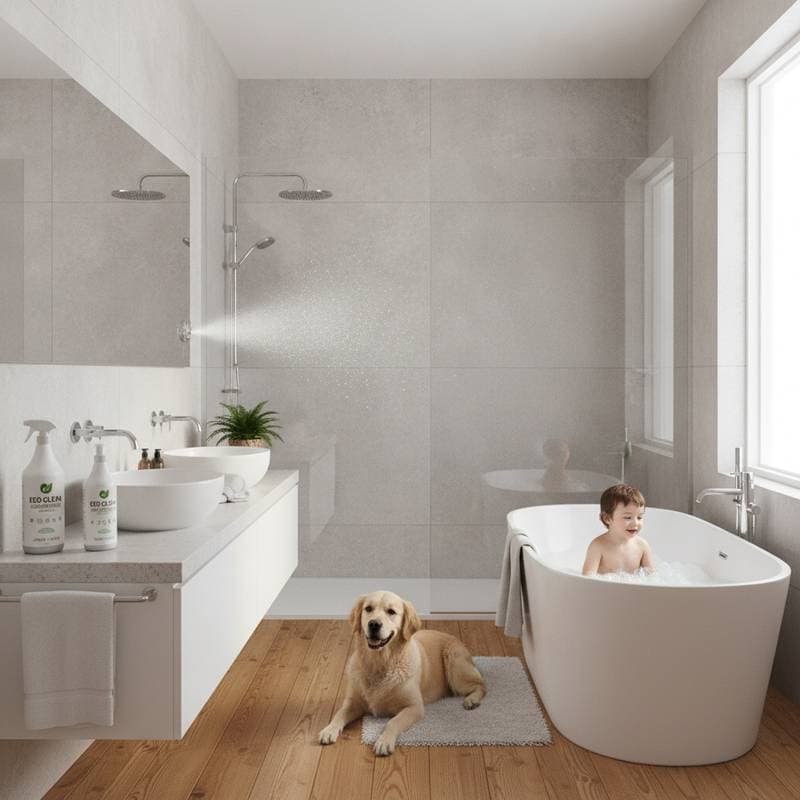
Key Advantages of Enzyme Cleaners
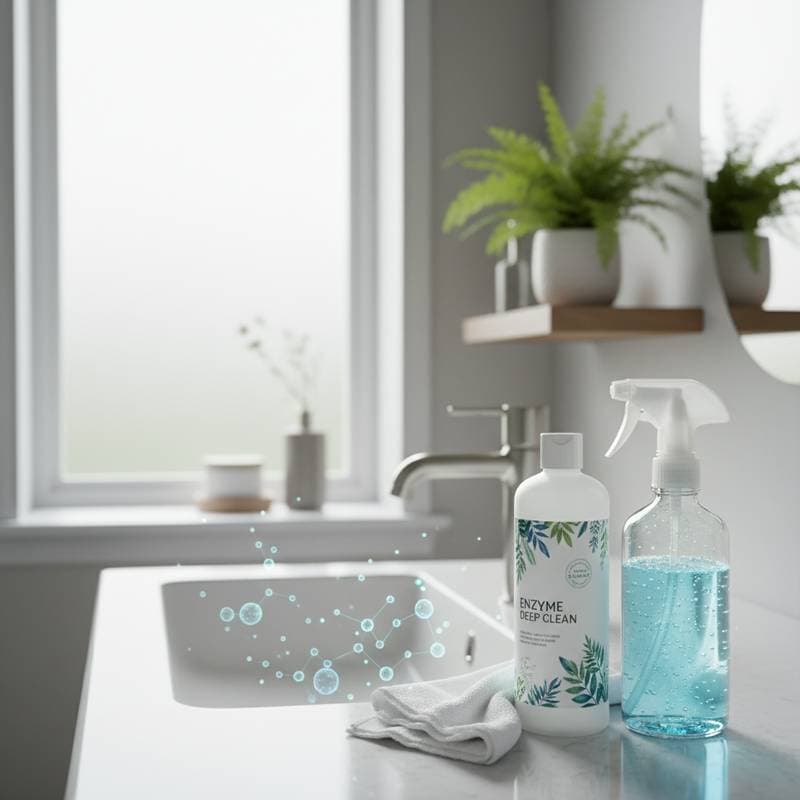
Enzyme cleaners utilize biological processes to dismantle organic matter that conventional cleaners merely conceal. They eradicate odor origins and accumulations at the molecular level, resulting in surfaces that remain genuinely clean instead of superficially refreshed. These products prove safer for plumbing systems and septic tanks due to the absence of corrosive chemicals. Consistent application fosters enduring hygiene by curbing bacterial regrowth and residue buildup. Homeowners benefit from employing enzyme-based solutions on drains, tile grout, toilets, and other humidity-exposed bathroom zones.
Scientific Foundations: The Mechanism of Enzymes in Cleaning
Enzymes function as proteins that expedite natural chemical reactions. Within cleaning formulations, they selectively target organic substances including fats, oils, proteins, and carbohydrates. Specific enzymes perform distinct roles; for instance, proteases degrade protein-based stains such as soap scum and bodily oils, lipases address fatty deposits, and amylases handle starch residues.
Evaluating Needs: Ideal Scenarios for Enzyme Cleaners in Bathrooms
Bathrooms gather organic residues at an accelerated rate compared to other spaces, owing to elevated humidity, warmth, and persistent water exposure. Typical challenge zones encompass drains, toilets, tile grout, and shower enclosures.
- Drains: Hair, soap residues, and bodily oils accumulate, leading to sluggish drainage and unpleasant odors.
- Toilets: Organic waste merges with mineral deposits from hard water to create persistent rings.
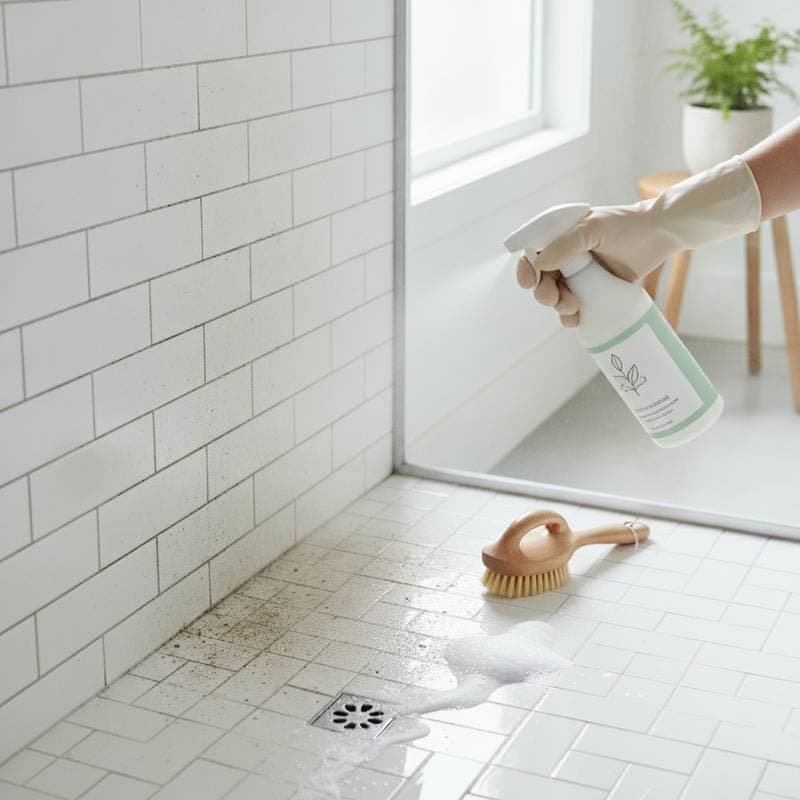
- Tile Grout: The porous structure captures bodily oils, mildew, and skin cells.
- Shower Curtains and Doors: Biofilms and soap scum adhere firmly to textured areas.
Enzyme cleaners shine when standard maintenance routines fail to resolve persistent odors or recurrent buildup. Individuals observing mildew or residues despite vigorous scrubbing likely confront organic materials lodged beneath the surface. Enzyme products penetrate these concealed layers with exceptional efficacy.
Preparation Guide: Essential Tools, Materials, and Precautions
Required Tools and Materials
- Enzyme cleaner designed specifically for bathroom applications
- Spray bottle or squeeze applicator for precise distribution
- Soft-bristle brush or an old toothbrush for detailed work
- Microfiber cloths or non-abrasive sponges for wiping
- Warm water for final rinsing
- Gloves to protect sensitive skin during handling
Safety Protocols
Enzyme cleaners qualify as non-toxic and biodegradable, yet wearing gloves remains advisable to avoid potential irritation from prolonged exposure. Refrain from combining enzyme cleaners with chemical disinfectants or bleach, as such agents can deactivate the enzymes and undermine cleaning performance. Maintain storage in moderate temperatures to preserve the viability of biological components.
Optimal Timing and Application Schedule
For intensive cleaning sessions, permit the enzyme cleaner to dwell on surfaces for a minimum of fifteen to twenty minutes prior to scrubbing. In maintenance routines, apply a weekly light spray to high-traffic areas like showers and sinks to inhibit accumulation.
Execution: Detailed Step-by-Step Cleaning Protocol
-
Ventilate and Clear the Space
Activate windows or the exhaust fan for proper airflow. Clear away towels, mats, and toiletries to ensure unobstructed access to all surfaces.
-
Prepare Surfaces by Drying
Remove excess visible moisture with a cloth. Enzyme cleaners perform optimally on slightly damp surfaces rather than those saturated with water.
-
Distribute the Enzyme Cleaner
Apply generously via spray to tile grout, shower walls, sinks, and toilet interiors. For drains, introduce a predetermined volume directly into the drain opening.
-
Permit Dwell Time for Reaction
Allow the cleaner to rest without disturbance. Enzymes engage with organic particles during this period, commencing decomposition; subtle bubbling or a faint natural aroma may emerge.
-
Scrub Persistent Spots
Employ a soft brush to agitate grout lines, faucet bases, and drain entries gently. This motion facilitates deeper enzyme penetration into crevices and pores.
-
Rinse Completely
Employ warm water and a clean cloth to flush away dislodged residues and excess cleaner from surfaces.
-
Dry and Evaluate
Pat surfaces dry using a microfiber cloth to avert water marks. Examine for any residual discoloration or scents, repeating the process on affected areas if required.
Verification Methods: Confirming Enduring Results
A properly enzyme-treated bathroom exhibits no residual organic odors. The reappearance of smells within twenty-four hours signals incomplete eradication or entrenched buildup; target these with additional applications until fully resolved.
To assess drain efficacy, direct warm water through the system for several minutes. Steady, uninterrupted flow confirms clearance of organic obstructions by enzyme action. For grout and tiles, observe even coloration; lingering dark streaks indicate unresolved mildew, necessitating further treatment rounds.
Document cleaning schedules and outcomes in a basic log. This practice promotes regularity and reveals patterns, such as repeated buildup in designated areas.
Ongoing Care: Building a Sustainable Clean Environment
Incorporating enzyme cleaners routinely establishes a cycle of self-reinforcing cleanliness. Each use diminishes available organic substrates for bacterial growth, thereby reducing reliance on abrasive chemicals over time.
- Weekly Routine: Apply a light enzyme spray to sinks, faucets, and shower doors.
- Monthly Maintenance: Treat drains to avert sluggish flow and odors.
- Seasonal Intensive Care: Perform deep grout and tile cleans with prolonged dwell periods.
Enzyme cleaners support plumbing longevity by digesting organic matter rather than propelling it through pipes via corrosive means, thus minimizing clogs and safeguarding seals and gaskets.
Expert Recommendations for Optimal Performance
Verify product labels to ensure the inclusion of live enzymes, distinguishing them from mere plant-derived surfactants. Withhold hot water applications immediately following use, as excessive heat above moderate levels can inactivate enzymes. Preserve products in cool, dark locations to sustain bacterial cultures.
Integrate enzyme cleaning with enhancements to mechanical ventilation for humidity management and mildew prevention. Balance hygiene by alternating enzyme treatments with pH-neutral disinfectants, avoiding surface damage.
Preserving Bathroom Longevity Through Enzyme Methods
Enzyme cleaners elevate standard bathroom upkeep to a scientifically grounded regimen that cleans while upholding surface and plumbing integrity. Operating at the molecular scale, these solutions neutralize odor sources, uphold sanitary standards, and prolong fixture durability.
Homeowners adopting enzyme protocols observe diminished stain recurrence, lowered chemical contact, and enhanced air quality. The disciplined integration of dwell times, regular applications, and vigilant inspections guarantees cleanliness that extends beyond appearance to tangible verification.
A bathroom maintained with minimal effort yet maximal results embodies effective home stewardship. Enzyme cleaners render this outcome attainable via natural biochemical principles, precise techniques, and a structured approach that bolsters well-being and property value.