Microcement: Creating Seamless DIY Bathrooms for 2026 Trends
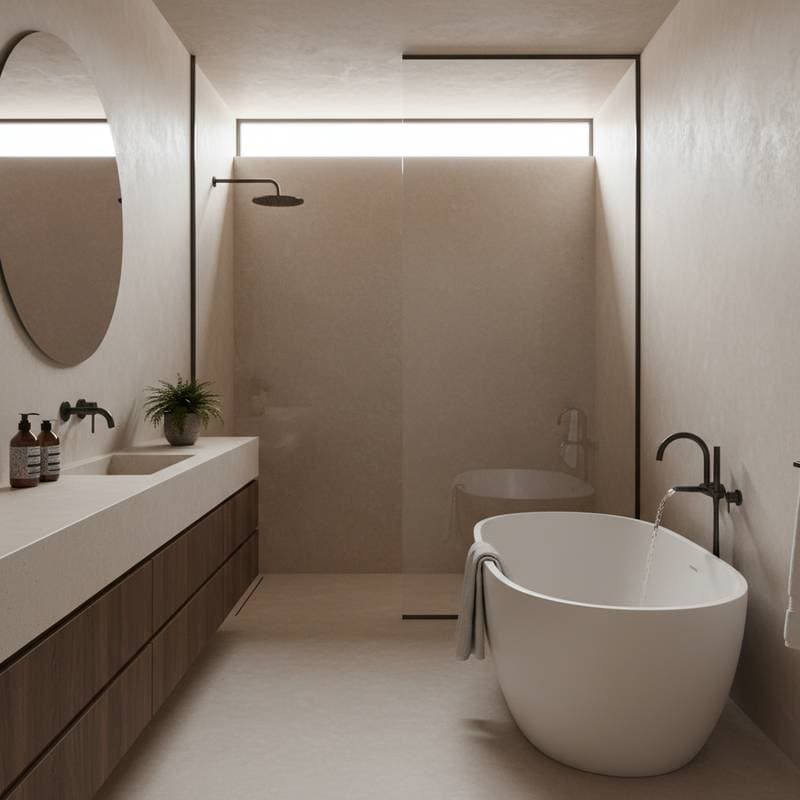
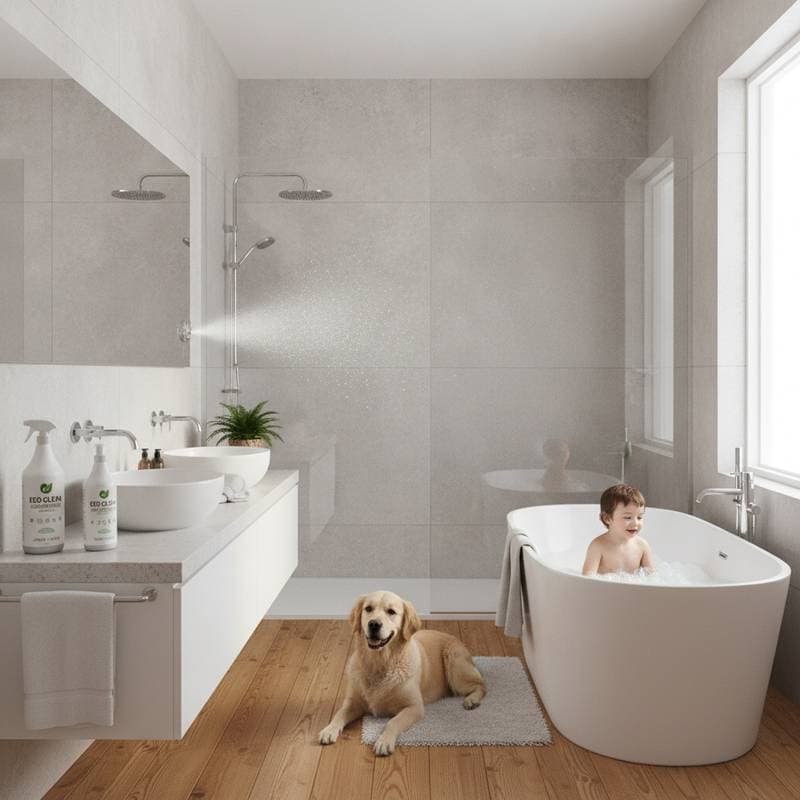
Homeowners often face frustration with grout lines in bathrooms, where dirt accumulates and maintenance proves challenging. Microcement addresses this issue by forming a single, waterproof layer that prevents seams, mold, and cracks. This material delivers a contemporary finish resembling custom concrete, appealing to those seeking modern updates without extensive renovations.
Microcement application suits skilled DIY enthusiasts, yet it requires thorough preparation and accuracy. The process resembles plastering more than painting, involving multiple layers and extended drying periods. With the correct approach, individuals can produce a resilient surface that enhances bathroom aesthetics and functionality.
Defining Microcement and Its Properties
Realistic Expectations for DIY Microcement Projects
Online tutorials often portray microcement as a straightforward task, but the reality involves detailed surface readiness. Imperfections like uneven joints or loose tiles will telegraph through the final coat if not addressed. Homeowners must stabilize the substrate, eliminate contaminants, and ensure dryness before proceeding.
Repairs to cracked grout or unstable tiles form the initial step. The layering process follows, with multiple applications separated by drying intervals. Haste in this sequence leads to adhesion failures or irregular textures, underscoring the need for methodical progress.
Essential Tools and Materials for Application
Assemble all required items prior to starting to avoid interruptions. Key components include:
- Steel and rubber trowels for spreading
- Drill with paddle attachment for mixing
- Measuring bucket for precise ratios
- Compatible primer for microcement
- Base coat and finishing microcement mixtures
- Pigments for color customization
- Polyurethane or epoxy-based waterproof sealer
- Sandpaper ranging from 120 to 240 grit
- Gloves and respirator for protection
For a typical bathroom covering 100 square feet, allocate 20 to 25 pounds of microcement, adjusting for desired texture. Purchase extra material to account for potential variations in color consistency during subsequent batches.
Critical Preparation Steps Before Application
Begin with a thorough cleaning to remove silicone, grease, and soap residues from the surface. For tiled areas, clear grout lines and fill significant gaps using leveling compound. Apply primer evenly with a roller or brush, allowing full drying to promote strong bonding.
Prepare the base coat by combining powder and liquid per manufacturer guidelines, using the drill for smooth integration. Mix small quantities, as the material sets within an hour. Spread the initial layer thinly with a steel trowel, maintaining uniform pressure to prevent ridges, then sand lightly after drying before the next application.
Layering Techniques for Optimal Results
Standard applications feature two base layers followed by two finishing layers, each building strength and refinement. The base layers establish a solid foundation, while finishing layers define the texture, whether smooth and polished or subtly textured. Consistency in application ensures an even outcome across the surface.
Examine each coat for defects during intervals, sanding trowel marks or pinholes as needed. A refined base enhances the topcoat's appearance, minimizing visible flaws. This iterative process rewards diligence, as excessive material in one layer risks future cracks.
Sealing for Waterproof Durability
After the final layer cures completely, apply sealer to confer waterproof and stain-resistant properties. Use two thin coats via roller or microfiber cloth, permitting adequate curing between applications. Polyurethane sealers offer a tactile finish, whereas epoxy variants provide enhanced gloss and longevity.
Freshly sealed surfaces require several days of limited use to fully harden, avoiding water exposure or heavy loads. Adhering to this curing timeline safeguards the project's integrity and extends surface lifespan.
Troubleshooting Common Application Issues
Challenges arise even for seasoned users, but targeted solutions exist:
- Cracking: Stemming from substrate movement, this issue resolves with pre-application checks for loose elements and incorporation of flexible membranes.
- Bubbles or Pinholes: Resulting from air entrapment, these diminish through deliberate trowel strokes and controlled mixing.
- Uneven Color: Arising from variable mixing or environmental factors, uniformity improves by blending full batches for large areas.
- Adhesion Failures: Often due to incompatible primer or residual moisture, prevention involves confirming surface dryness.
Address problems by sanding the area, adding a corrective layer, and resealing. Microcement's nature allows repairs to integrate smoothly when executed with care.
Knowing When Professional Help Is Advisable
Certain projects exceed DIY capabilities, such as intricate wet rooms or curved fixtures, where experts manage humidity, membranes, and precision. Investing in professional services ensures superior outcomes in demanding scenarios. Beginners benefit from practicing on smaller sections like vanities before full-room endeavors.
Always engage licensed specialists for electrical or plumbing adjustments. Microcement enhances fixture appearances effectively but does not remedy underlying structural issues.
Budget and Timeline Considerations
DIY microcement projects cost less than complete tile overhauls yet exceed basic painting expenses. Material prices fluctuate by brand and finish, generally aligning moderately with tiling alternatives. Savings accrue from bypassing demolition, grout, and specialized tools.
Allocate several days for preparation, layering, drying, and sealing to accommodate natural timelines. Rushing the process invites errors, whereas allowing full curing yields a robust, long-lasting finish resistant to wear.
Techniques for Achieving Professional Finishes
Test color samples on small areas to confirm preferences before large-scale mixing. Clean tools meticulously between coats to eliminate residue that could mar the surface. Control environmental factors like temperature and humidity to standardize drying.
Illuminate the workspace from multiple angles to detect inconsistencies promptly. These practices elevate results, ensuring a seamless integration with modern bathroom designs.
Sustaining Microcement Surfaces Over Time
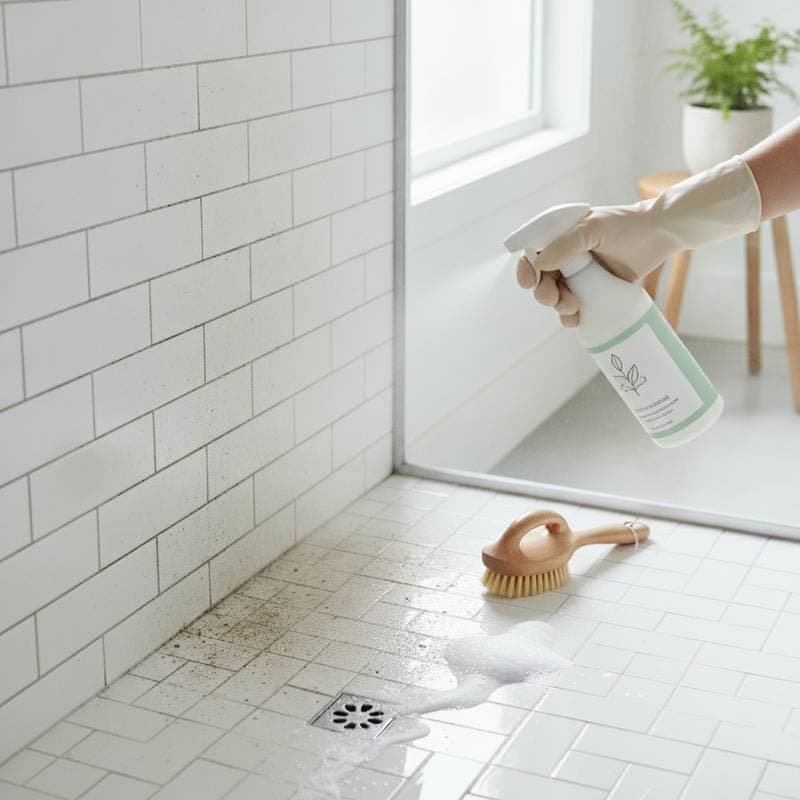
Routine care involves mild soap and water for cleaning, steering clear of acids or abrasives that erode the sealer. Buff minor scratches with fine sandpaper followed by resealing. The material's inherent resistance to mold simplifies upkeep compared to grouted tiles.
Periodic sealer refreshment every few years preserves waterproofing and appearance. This low-maintenance approach maximizes the investment, supporting enduring style and performance in line with 2026 trends.