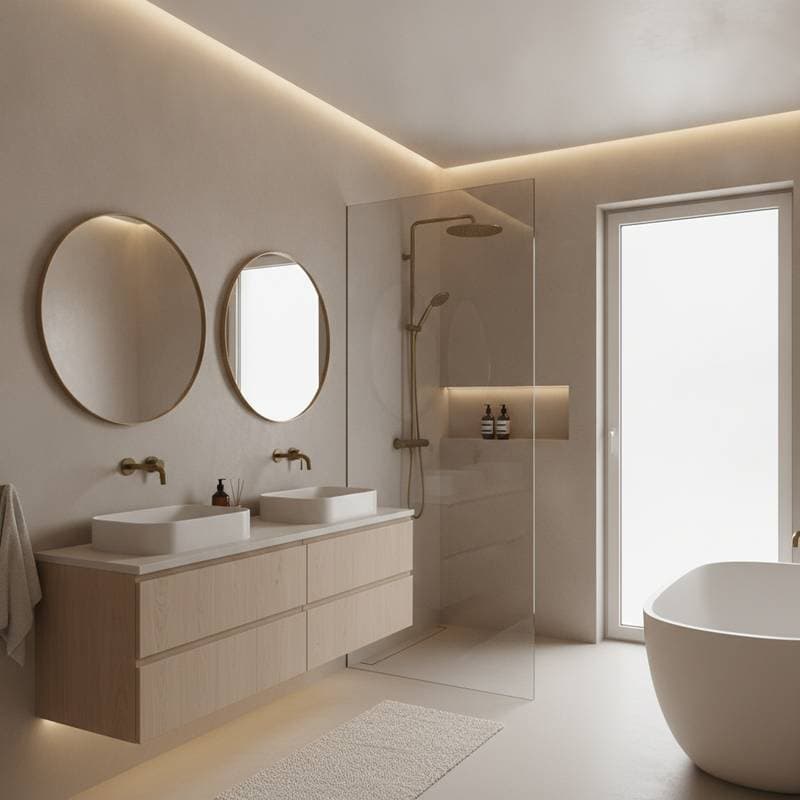
The Rise of Dopamine Decor
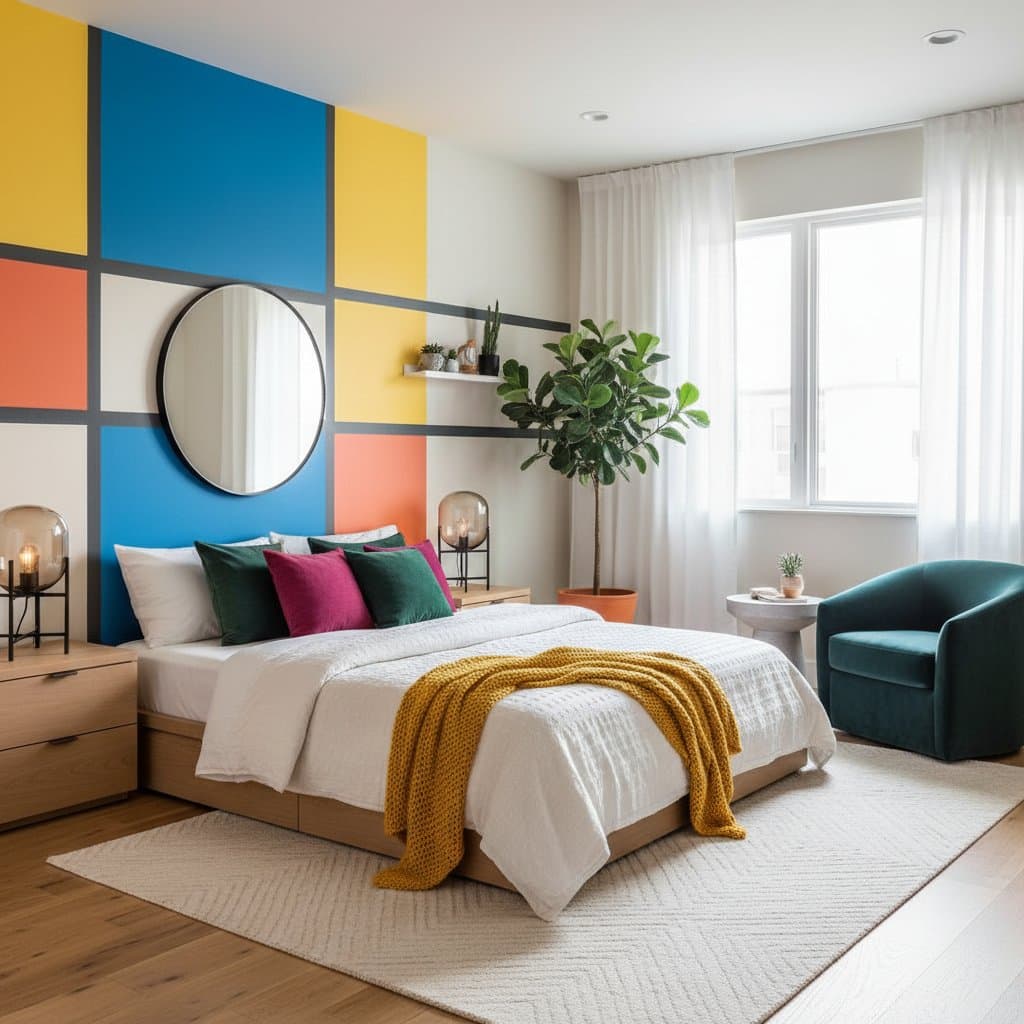
Color influences emotions in measurable ways. Dopamine decor applies this principle by introducing high energy hues that promote happiness and creative thinking. Bedrooms once reserved for muted tones now incorporate lively shades while preserving restful qualities through deliberate pairings with neutral backdrops and natural materials.
This method suits homeowners who view their bedroom as an expression of personal identity. Controlled energy replaces random boldness. Careful selection of one dominant color balanced by secondary accents and grounding elements produces spaces that feel both stimulating and restorative.
Selecting Effective Colors
Effective palettes energize without causing restlessness. Citrus yellows, coral pinks, leafy greens, and sapphire blues appear frequently because they lift mood while remaining livable. Choose one dominant shade for the main walls or a single accent wall. Introduce a secondary tone through bedding or a refinished dresser. Anchor the scheme with wood tones, neutral flooring, or crisp white trim.
Materials and Tools
High quality interior paint in the selected shades forms the foundation. Pair it with surface appropriate primer, painter tape, and drop cloths. Include 150 and 220 grit sandpaper for surface preparation plus wood stain or paint for furniture updates. New textiles such as bedding and curtains complete the refresh.
Essential tools comprise rollers, angled brushes, an orbital sander, a level, and basic hardware. Safety equipment includes gloves, a mask, and eye protection. These items support clean, durable results across multiple weekends.
Preparation Steps
Clear the room by moving furniture to the center and covering surfaces with drop cloths. Wash walls with mild soap and water. Fill dents and holes, then sand glossy areas lightly to improve adhesion. Wipe everything with a tack cloth before priming.
Apply primer in even coats, especially over dark existing colors. Allow full drying time to avoid uneven absorption. This stage ensures true color representation and long lasting coverage.
Painting Techniques
Cut in edges with an angled brush before rolling larger areas. Apply two thin coats rather than one thick layer. Allow complete drying between coats. For geometric patterns, use painter tape and a level to maintain straight lines. A dry brush blend between two shades creates soft transitions suitable for calmer bedrooms.
Work in good ventilation and check coverage by viewing walls from multiple angles with a light source. Touch up thin spots immediately. Consistent brush direction and clean edges distinguish professional looking work.
Furniture and Textile Updates
Sand existing pieces to remove prior finishes. Apply primer when painting or stain to highlight grain, followed by a protective topcoat. These refinished items add craftsmanship that ties the room together. Replace neutral bedding with vivid quilts and layer complementary pillows. Curtains, rugs, and lampshades provide affordable cohesion without structural changes.
Budget Conscious Execution
Quality paint reduces the number of coats required and resists fading. Refinishing solid wood furniture avoids replacement costs. Leftover paint can accent trim or small shelves. Fabric remnants serve as pillow covers or curtain panels at lower expense. Focus remains on thoughtful execution rather than new purchases.
Sustaining the Results
Clean painted surfaces with a damp sponge and mild soap. Avoid abrasive cleaners that dull color. Reapply protective finishes to wood furniture every few years. Regular laundering of textiles maintains vibrancy. The resulting environment delivers daily optimism that shapes the start and end of each day.