Key Points
- Microcement bathrooms are becoming the centerpiece of modern remodels thanks to their seamless, sculptural look.
- The material offers a minimalist aesthetic with practical benefits such as waterproofing, durability, and easy maintenance.
- Designers predict that smooth, continuous surfaces will replace tile-heavy bathrooms as homeowners seek calm, spa-like spaces.
- Microcement can be applied over existing surfaces, reducing renovation mess and cost.
- The trend blends industrial style with luxury appeal, fitting both small apartments and high-end homes.
The Scene That Defines the Trend
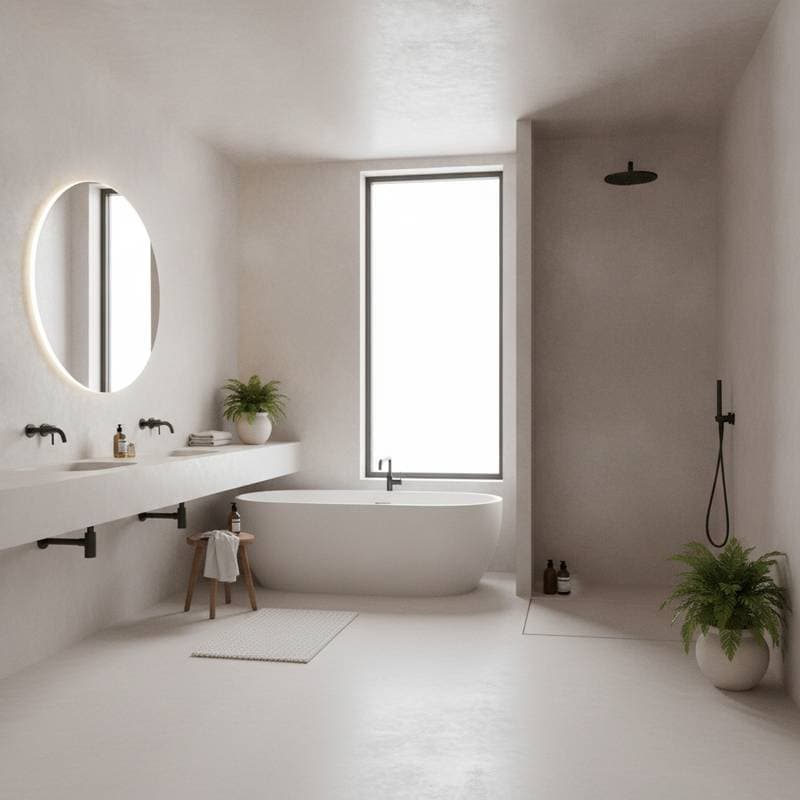
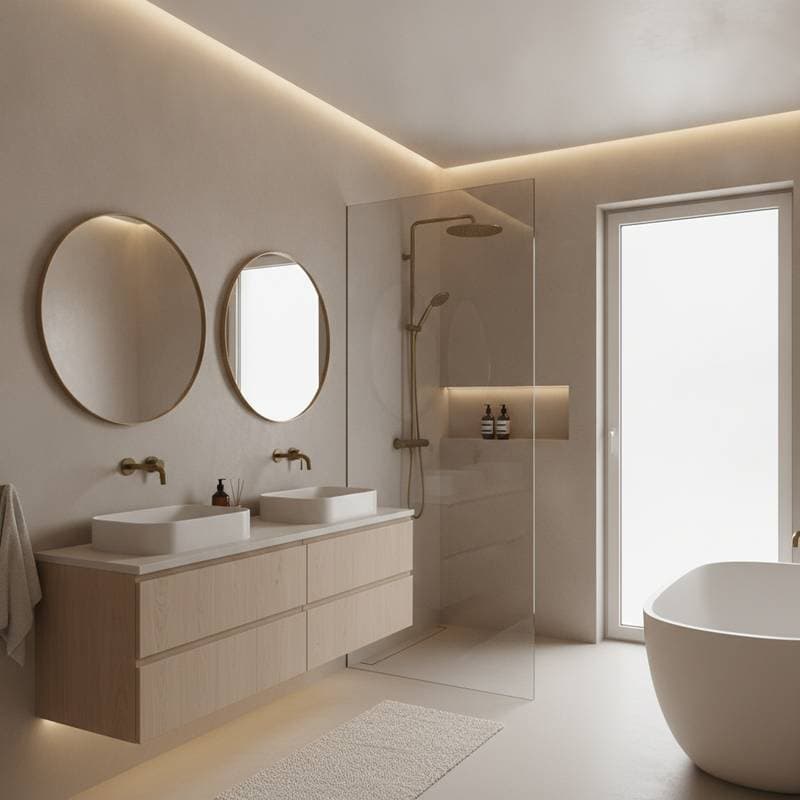
Picture this: a bathroom that feels like a single piece of art. Every surface, from the shower wall to the vanity, flows into the next without visible seams or grout lines. The light dances across subtle texture, creating the illusion of natural stone yet maintaining the precision of a sculpted finish. No tiles to scrub, no visual clutter. Just quiet sophistication that instantly calms the mind.
Why Microcement Is Taking Over Bathroom Design
Microcement is a fine, cement-based coating applied in thin layers to nearly any surface. When sealed properly, it becomes waterproof, durable, and smooth to the touch. Its strength lies in versatility. It can cover tiles, concrete, plaster, or even wood, allowing remodels without demolition. That makes it both cost-effective and environmentally friendly by reducing construction waste.
Designers love it for its visual impact. The finish can mimic concrete, limestone, or even polished marble depending on pigments and sealers. It works across aesthetics, from minimalist and industrial to Mediterranean and Japandi-inspired interiors. Unlike tiles, which break up walls with grout lines, microcement turns every surface into a continuous canvas.
Interior designer Carla Jensen described it as “a material that turns a functional space into a sensory experience.” For her, it is not just about the look but the feeling of stepping into a space that feels grounded and cohesive.
The Cultural Shift Toward Seamless Spaces
The rise of seamless microcement bathrooms connects to a broader cultural movement. After years of visual overload, homeowners are gravitating toward calm, grounded spaces. The bathroom has become a retreat, and simplicity is now a form of luxury. Clean lines and uninterrupted forms reflect a lifestyle that values clarity over clutter.
Streaming platforms, boutique hotels, and wellness influencers have all contributed to this shift. The imagery of serene bathing spaces with matte finishes and soft lighting has become aspirational. Social media feeds are filled with bathrooms that resemble sculptural sanctuaries more than functional rooms. Microcement fits that image perfectly.
The Technical Edge Behind the Beauty
While the aesthetic appeal is clear, the practical benefits make microcement even more compelling. It is resistant to moisture and mold when sealed correctly, making it ideal for wet zones like showers and sinks. Because it is applied in thin layers, it does not add significant weight to floors or walls, which simplifies installation in older buildings.
Maintenance is minimal. There are no grout lines to trap dirt, and daily cleaning requires only mild soap and water. The material’s natural texture hides small imperfections and wear, keeping it looking fresh longer than many traditional finishes.
Contractor and surface specialist Mateo Ruiz explained that microcement’s biggest strength is adaptability. “You can refinish an entire bathroom in a fraction of the time it takes to retile. And because it bonds to nearly anything, it’s perfect for renovation projects where you want transformation without demolition.”
Design Versatility and Customization
Microcement is not a one-look material. It can be tinted in a wide range of colors, from soft neutrals to deep charcoals, and adjusted to achieve matte, satin, or glossy finishes. The texture can be fine and silky or slightly rugged for a more organic feel. Paired with brass fixtures, it reads as warm and luxurious. Combined with black hardware and glass partitions, it leans urban and contemporary.
The seamless quality also allows creative freedom in shaping built-in sinks, benches, or shelving directly into the surface. This creates the sculptural effect that defines the new wave of bathroom design. Lighting becomes especially important, as microcement’s subtle texture interacts beautifully with both natural and artificial light.
Challenges and Considerations
Despite its appeal, microcement requires professional installation. The surface must be applied carefully in multiple layers, with curing and sealing handled precisely to avoid water damage. Poor application can lead to cracks or uneven texture. Homeowners should seek certified installers experienced in bathroom environments.
It is also worth considering that while microcement is durable, it is not indestructible. Sharp impacts may chip the surface, though repairs are usually straightforward. Proper sealing and occasional resealing extend its lifespan and maintain its waterproof qualities.
Making It Happen
For anyone planning a remodel, microcement offers the rare combination of beauty, practicality, and sustainability. It works for full bathroom renovations or selective upgrades such as resurfacing a vanity or shower enclosure. To start, consult a designer familiar with the material’s nuances.
Keep maintenance simple with neutral cleaners and avoid harsh chemicals. Over time, the surface develops character, giving your bathroom a lived-in elegance that feels both modern and timeless.
The seamless microcement bathroom represents more than a design choice. It reflects a shift toward intentional living, where every element serves both form and function.