Why Enzyme Cleaners Outperform Chemical Formulas
Enzyme cleaners use natural proteins to break down organic stains and odors at the source. This approach delivers thorough results without the residues or fumes associated with traditional chemical products. Homeowners and professionals alike find these formulas effective for everyday messes while supporting safer indoor environments.
How Enzyme Cleaners Work
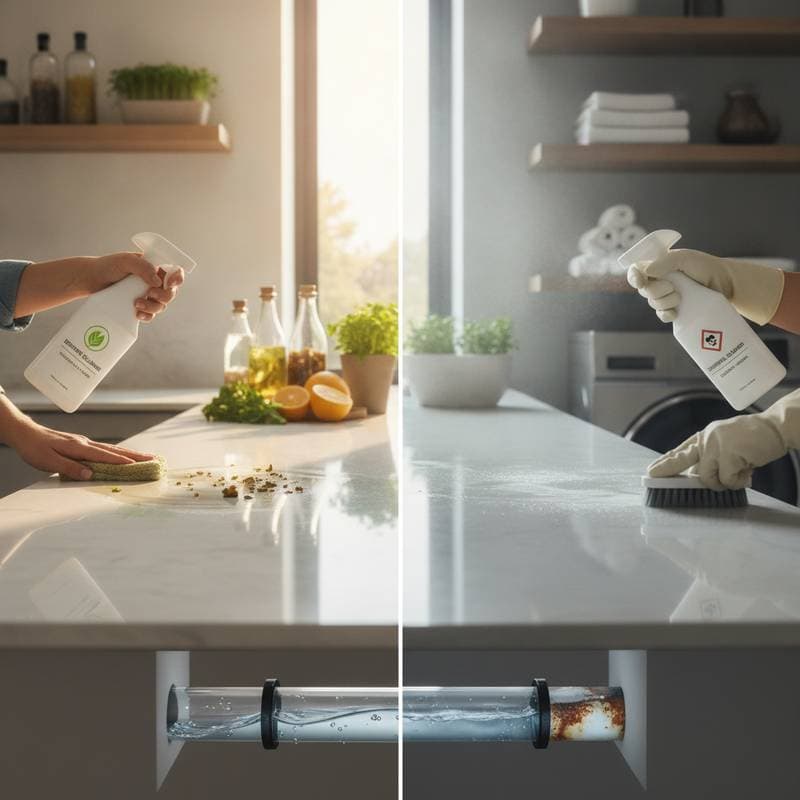
Traditional cleaners depend on harsh substances such as chlorine or ammonia. These ingredients attack dirt aggressively yet often harm surfaces and release irritating vapors. Enzyme cleaners operate differently by deploying specific proteins that target particular soils.
Protease enzymes dismantle protein based stains like blood or food residue. Amylase enzymes address starch deposits. Lipase enzymes break down fats and oils. Once attached to the target material, the enzymes split it into smaller pieces that rinse away with water. This process eliminates the organic matter that causes persistent odors rather than covering it with fragrance.
Evaluating Current Products
Materials and Preparation
Gather a multipurpose enzyme cleaner suited to the surfaces involved. Include a spray bottle, soft brush, microfiber cloth, and warm water for rinsing. Read all instructions before starting. Enzymes function best within moderate temperatures and lose strength when exposed to extreme heat.
Measure dilution ratios exactly for concentrated products. Proper mixing preserves enzyme activity. Plan the session by surface type. Begin with areas that benefit from longer contact time such as grout lines before moving to quicker tasks like countertops.
Step by Step Application
- Select the area with visible organic buildup or odor.
- Clear loose debris so the solution reaches the stain directly.
- Apply an even coat and use a gel version on vertical surfaces to prevent runoff.
- Allow the recommended dwell time for the enzymes to complete their work.
- Agitate gently with a brush to help penetration on porous materials.
- Wipe or rinse with warm water to remove loosened material.
- Repeat on stubborn buildup until results are complete.
Checking Results
Inspect for remaining odors after treatment. Persistent smells indicate the need for extra dwell time or another application. Test carpet or fabric in an inconspicuous spot to confirm color safety. Improved drain flow and reduced smells confirm success in plumbing applications.
Repeated use often reveals that surfaces stay cleaner longer. Enzyme action removes the thin organic film that supports bacterial growth and speeds future soiling.
Health and Environmental Benefits
Biodegradable enzymes pass through wastewater systems without extra treatment. This reduces the load on treatment facilities compared with chlorine or ammonia disposal. Indoor air quality improves because no volatile compounds enter the breathing space.
Plumbing and floor finishes last longer without exposure to corrosive ingredients. Families with children or pets gain added peace of mind from the absence of harsh residues.
Adding Enzyme Cleaners to Daily Routines
Consistent application across drains, laundry, and floors produces reliable results. The method supports thorough cleaning while lowering reliance on synthetic chemicals. Over time this practice contributes to healthier homes and reduced environmental impact.